
NHTSA ID Number: 10253672
Manufacturer Communication Number: Index380
TSB/Document Date: 2024-04-29
Summary
Tesla does not provide physical owner's manual copies. Instead, all available owner?s manual content is integrated into the vehicle software, and only the content relevant for a given vehicle, based on vehicle configuration and software version installed, is displayed on its touchscreen. This file contains all available owner?s manual content for 2021-2024 Model X vehicles converted to PDF format, and given the distribution method and NHTSA?s submission format requirements, it is the best available representative copy of owner?s manual content. However, a customer who accesses the owner?s manual via their vehicle?s touchscreen would only see the parts of this PDF file that are relevant to their vehicle.
there by saying "Navigate home" or "Take me to work".
Contacts
To call or text a contact on your Bluetooth-connected phone (see Phone, Calendar, and Web Conferencing on page
93), say:
• "Call [contact name/phone number]"
• "Text [contact name/phone number]"
Media
To listen to and adjust your media preferences, say:
21
Owners Manual
• "Listen to [song name]"
• "Lower/raise the volume"
• "Skip to next"
• "Pause/play song"
• "Change the source to [media source]"
To improve voice command recognition accuracy, provide multiple cues in your command, such as artist and song.
Apps and Settings
Easily navigate through your apps and settings using voice commands:
• "Open [Toybox/browser/theater/phone]"
• "Search for..."
• "The screen is too bright"
• "Show me the Owner's Manual"
Some apps and settings are only accessible while in Park.
You can also file a bug report by saying "Report" , "Feedback", or "Bug report".
For more information on voice commands, go to https://www.tesla.com/support/voice-commands.
NOTE: To support ongoing quality improvements, Tesla captures and processes voice command transcriptions (such
as “set the temperature…”). Audio voice recordings are not collected, and transcriptions are not associated with your
Tesla account or with your vehicle's identification number. To further protect your privacy, voice commands
containing personal data are not captured (such as "Navigate to..." or "Make a call to...").
Cameras
Your Model X includes the following components that actively monitor the surrounding area:
22
Owners Manual
1. A camera is mounted above the rear license plate.
2. Ultrasonic sensors (if equipped) are located in the front and rear bumpers.
3. A camera is mounted in each door pillar.
4. Two cameras are mounted to the windshield above the rear view mirror.
5. A camera is mounted to each front fender.
6. Radar (if equipped) is mounted behind the front bumper.
Model X is also equipped with high precision electronically-assisted braking and steering systems.
Cabin Camera
Your Model X is equipped with a cabin camera located above the rear view mirror. For more information, see Cabin
Camera on page 197.
Drive to Calibrate Cameras
Model X must maneuver with precision when Autopilot features are being used. Therefore, before some features can
be used for the first time or after some types of service repairs, cameras must complete a self-calibration process.
For your convenience, the instrument panel displays a progress indicator.
When calibration is complete, Autopilot features are available for use. Calibration typically completes after driving
20-25 miles (32-40 km), but the distance varies depending on road and environmental conditions. For example,
calibration completes quicker when driving on a straight road with multiple lanes (such as a controlled-access
highway), with highly-visible lane markings (in the driving lane as well as the adjacent lanes). Contact Tesla only if
your Model X has not completed the calibration process after driving 100 miles (160 km) in the described conditions.
If a camera has shifted from its calibrated position (for example, the camera or windshield was replaced), you must
clear the calibration. To do so, touch Controls > Service > Camera Calibration > Clear Calibration. When the
calibration is cleared, Model X repeats the calibration process. While this helps re-calibrate the cameras in many
cases, Clear Calibration may not resolve all camera and sensor concerns.
NOTE: To calibrate, cameras require highly-visible lane markings in both the driving lane and adjacent lanes (at least
two lanes over on each side of the vehicle). For best results, drive in the middle lane of a multi-lane highway (ideally
with at least five lanes) that has clear lane markings and minimal traffic.
NOTE: If you attempt to use a feature that is not available until the calibration process is complete, the feature is
disabled and the instrument panel displays a message.
NOTE: Model X must repeat the calibration process if the cameras are serviced by Tesla, and in some cases, after a
software update.
23
Owners Manual
Keeping Cameras Free of Obstructions
Ensure all cameras are clean and free of obstructions before each drive and before using Autopilot features (see
Cleaning a Camera on page 260). Dirty cameras and sensors (if equipped), as well as environmental conditions such
as rain and faded lane markings, can affect Autopilot performance. If a camera is obstructed or blinded, Model X
displays a message on the instrument cluster and Autopilot features may not be available. For more information on
specific alerts, see Troubleshooting Alerts on page 302.
Condensation can form inside the camera enclosures, especially if you park your vehicle outside in cold or wet
conditions. The instrument cluster may display an alert stating that a camera is blocked and that some or all
Autopilot features may be temporarily restricted until the camera vision is clear. To proactively dry the condensation,
precondition the cabin by setting it to a warm temperature, turning the windshield defroster on, and directing the
front air vents toward the door pillars (see Mobile App on page 86).
Opening and Closing
Keys
Types of Keys
Model X supports the following types of keys:
• Phone key - You can set up your personal phone as a "phone key" that communicate with Model X using
Bluetooth. A phone key supports automatic locking and unlocking.
• Key card - Tesla provides two key cards that communicates with Model X using short range radio-frequency
identification (RFID) signals. The key card is used to "authenticate" phone keys to work with Model X and to add
or remove other keys. Unlike the phone key and key fobs, the key card does not support automatic locking and
unlocking. In situations where your phone key has a dead battery, or is lost or stolen, use your key card to unlock,
drive, and lock Model X.
• Key fob - The key fob (if equipped) allows you to press buttons to open the front and rear trunks, and unlock,
lock, and drive Model X. The key fob also supports automatic locking and unlocking, if available in your region
(see Walk-Away Door Lock on page 38Passive Locking and Unlocking on page 29) and can be used as a backup
to your phone key.
Model X supports a total of 19 keys, which can include phone keys, key cards, and up to four key fobs.
CAUTION: Remember to bring a key with you when you drive. Although you can drive Model X away from its
key, you will be unable to power it back on after it powers off.
Phone Key
CAUTION: Do not leave your paired phone in your vehicle (for example, if you are hiking or at the beach). If
you must leave your phone in the vehicle, disable Bluetooth and/or turn the phone off.
Using your phone as a key is a convenient way to access your Model X. As you approach, your phone's Bluetooth
signal is detected and the doors unlock when you press a door handle. Likewise, when you exit and walk away with
the phone key, doors automatically lock (provided the Walk-Away Door Lock feature is turned on; see Walk-Away
Door Lock on page 38).
Before you can use a phone to access Model X, follow these steps to authenticate it:
1. Download the Tesla mobile app to your phone.
2. Log into the Tesla mobile app using your Tesla account username and password.
NOTE: You must remain logged in to your Tesla account to use your phone to access Model X.
NOTE: If multiple vehicles are linked to your Tesla account, you must ensure that the vehicle you want the mobile
app to access is currently selected on the mobile app.
3. Ensure:
◦ Your phone's general Bluetooth settings are enabled.
24
Owners Manual
◦ Bluetooth is enabled within your phone's settings for the Tesla mobile app. For example, on your phone,
navigate to Settings, choose the Tesla mobile app, and ensure the Bluetooth setting is turned on.
◦ Access to your location is enabled. Open the Tesla mobile app in your phone's settings and select Location >
Always. For the best experience, keep the mobile app running in the background.
◦ Allow Mobile Access is enabled on the vehicle touchscreen (Controls > Safety > Allow Mobile Access).
NOTE: Model X communicates with your phone using Bluetooth. Keep in mind that your phone must have enough
battery power to run Bluetooth and that many phones disable Bluetooth when the battery is low.
4. While inside or near the vehicle, open the Tesla mobile app and touch Set Up Phone Key on the main screen, or
navigate to Security > Set Up Phone Key. Follow the prompts on the mobile app and vehicle touchscreen to set
up your phone key.
To view a list of keys that can currently access Model X, or to remove a phone key, touch Controls > Locks (see
Managing Keys on page 31).
Model X can connect to three phone keys simultaneously. Therefore, if more than three phone keys are detected and
you want to authenticate or pair a different phone, move the other connected phone key(s) out of range or turn off
its Bluetooth setting.
Once a phone has been authenticated, it no longer requires an internet connection to be used as a phone key for
Model X. However, to use the phone hands-free, access your phone's contacts, play media from it, etc., you must also
pair it and connect it as a Bluetooth device (see Bluetooth on page 90).
Some smartphones with NFC capability can be used to lock/unlock your vehicle, just like using a key card. Ensure
the Tesla mobile app is correctly paired to your vehicle and enable the NFC function on your phone. Once enabled,
simply hold the phone to the driver's side door pillar to lock or unlock the door. Refer to your smartphone's
instructions for specific information on how to do this.
Key Card
Tesla provides you with two Model X key cards, designed to fit in your wallet.
To use a key card to unlock or lock Model X, position the card as shown and tap it against the card reader located
approximately one third the way up of the driver's side door pillar. When Model X detects the key card, the exterior
lights flash, the mirrors unfold or fold (if Fold Mirrors is on), the horn sounds (if Lock Confirmation Sound is on), and
the doors unlock or lock.
NOTE: You may need to physically touch the wireless phone charger or driver's side door pillar with the key card,
and you may need to hold it against the transmitter for one or two seconds.
25
Owners Manual
Once inside, power up Model X by pressing the brake pedal within two minutes of scanning the key card (see
Starting and Powering Off on page 99). If you wait longer than two minutes, you must re-authenticate by placing the
key card near the card reader located in the wireless phone charger on the center console. When your key card is
detected, your two minute authentication period restarts.
NOTE: If enabled, Walk-Away Door Lock (see Walk-Away Door Lock on page 38) operates only when you walk away
using a phone key or passive key fob. When you walk away carrying your key card, Model X does not automatically
unlock/lock.
Key Fob
NOTE: Depending on market region, vehicle configuration, or date of manufacture, your vehicle may not come with a
key fob. Go to http://shop.tesla.com for more information.
You can quickly familiarize yourself with the key fob by thinking of it as a miniature version of Model X, with the Tesla
badge representing the front. The key has buttons that feel like softer areas on the surface.
1. Trunk
◦ Double-click to open or close the rear trunk.
26
Owners Manual
◦ If equipped with a powered liftgate, double-click to unlatch the rear trunk. You can also single-click to stop the
liftgate when it is moving.
◦ Hold the button down for one to two seconds to open the charge port door.
2. Lock/Unlock All
◦ Single-click to lock all doors and rear trunk. Hazard warning lights flash once.
NOTE: If a door or the rear trunk is open, hazard warning lights flash three times and doors do not lock. But
you can enable a single-click to both close all doors (and rear trunk) and lock them, by turning on the Close
All with Key Fob setting (touch Controls > Locks > Close All with Key Fob). By default, this setting is turned
off and you must triple-click the button to close and lock all doors.
◦ Double-click to unlock. Hazard warning lights flash twice.
NOTE: If Automatic Doors is enabled (touch Controls > Locks > Automatic Doors), doors unlock and the
driver's door opens as you approach Model X. A subsequent double-click opens the passenger front door.
3. Front trunk
◦ Double-click to unlatch the front trunk.
4. Falcon wing doors
◦ Double-click to open/close the associated falcon wing door.
◦ Single-click to stop movement of the associated falcon wing door. Subsequently double-clicking reverses
movement of the falcon wing door. For example if the door was opening, it closes, and vice versa.
NOTE: Falcon wing doors are designed to proactively detect obstacles that prevent the doors from moving when an
obstacle is detected.
WARNING: Model X falcon wing doors have several sensors to detect the presence of an object in the door's
path. In most cases, when an object is detected, the door stops moving. However, the sensors are unable to
detect all areas under all circumstances, particularly when closing, Therefore, you must monitor the movement
of falcon wing doors to ensure the door's path of movement is free of obstacles, staying prepared at all times
to proactively intervene to stop the door from contacting an object (including a person). Failure to do so can
cause serious damage or bodily injury.
Once inside, power up Model X by pressing the brake pedal within two minutes of pressing the unlock button on the
key fob (see #unique_103 on page ). If you wait longer than two minutes, you must press the unlock button again,
or place the key fob near the card reader located in the lower half of the left wireless phone charger, facing
downward, on the center console. When your key fob is detected, the two minute authentication period restarts.
When approaching or leaving Model X carrying the key fob, you do not need to point the key fob at Model X as you
press a button, but you must be within operating range.
Radio equipment on a similar frequency can affect the key. If this happens, move the key at least one foot (30 cm)
away from other electronic devices (phones, laptops, etc.).
In the event that the key fob's battery is dead, you can still use it. To unlock the vehicle, scan the key fob on the card
reader located on the driver's side door pillar (like the key card).
27
Owners Manual
To drive the vehicle, scan the key fob on the phone charger.
1. Place it at the top of the left phone charger, against the center divider.
2. Point the front of the key fob to the left.
3. Swipe downwards.
Instructions for changing the battery are provided in Replacing the Key Fob Battery on page 29.
NOTE: You can use the same key fob with multiple Model X vehicles provided you authenticate it (see Managing
Keys on page 31). However, key fob works with only one Model X at a time. Therefore, to use a key fob for a different
Model X, touch its flat side against the card reader on the driver's side door pillar.
NOTE: Model X supports up to four different key fobs.
28
Owners Manual
CAUTION: Protect the key from impact, high temperatures, and damage from liquids. Avoid contact with
solvents, waxes, and abrasive cleaners.
Passive Locking and Unlocking
Locking and unlocking Model X with your key fob is conveniently hands-free. Although you must be carrying a
paired key fob, there is no need to use it. Model X has sensors around the vehicle that can recognize the presence of
a key fob within a range of approximately six feet (two meters). Therefore, you can keep your key fob in your pocket
or purse and press the door handle to unlock and extend the handle. When carrying your key fob with you, you can
also open the trunk without having to use the key by pressing the liftgate's exterior switch. If Walk-Away Door Lock
is enabled, Model X automatically locks when you exit and the key fob is no longer in range (see Walk-Away Door
Lock on page 38). Passive locking and unlocking is automatically enabled when you pair your key fob to Model X.
Although you can use the same key fob with multiple vehicles, it can only be paired to one vehicle at a time. To
activate a paired key fob to a different vehicle, touch the flat side onto the driver's side door pillar and click any
button on the key fob to confirm.
NOTE: For increased security, passive locking and unlocking disables after being stationary for five minutes while
within vehicle range when the vehicle is not in use (for example, you are standing outside your vehicle). In this
situation, you must shake or press a button on the key fob to re-enable passive locking and unlocking.
Replacing the Key Fob Battery
Under normal use, the key fob has a battery that lasts for up to one year, depending on key fob version and selected
vehicle settings. When the battery is low, a message displays on the touchscreen.
To replace the key fob battery:
1. With the key fob placed button side down on a soft surface, release the bottom cover, using a small flat-bladed
tool.
NOTE: If a lanyard is attached to the key, you can release the bottom cover by placing your thumb against the "X"
on the bottom cover, then firmly pulling the lanyard toward you (hence pushing the key off of its cover). You can
also pry the cover off by placing a small flat-bladed tool, a fingernail, or the Tesla-provided tool against the
lanyard cord.
2. Remove the battery by lifting it away from the retaining clips.
29
Owners Manual
3. While avoiding touching the battery's flat surfaces, insert the new battery (type CR2354) with the ‘+’ side facing
up.
NOTE: Wipe the battery clean before fitting and avoid touching the battery's flat surfaces. Finger marks on the
flat surfaces of the battery can reduce battery life.
CAUTION: The battery should press against the spring on the positive contact. Do not place the battery on
top of the contact and force it down vertically. Doing so may damage the contact.
NOTE: CR2354 batteries can be purchased from any retailer that sells batteries.
4. Holding the bottom cover at an angle, align the tabs on the cover with the corresponding slots on the key fob,
then press the cover firmly onto the key fob until it snaps into place.
5. Test that the key fob works by unlocking and locking Model X.
30
Owners Manual
WARNING: Key fob batteries contain a chemical burn hazard and should not be ingested. The key fob contains
a coin cell battery. If the coin cell battery is swallowed, it can cause severe internal burns within two hours and
can lead to death. Keep new and used batteries away from children. If the battery compartment does not close
securely, stop using the product and keep it away from children. If you think batteries might have been
swallowed or placed inside any part of the body, seek immediate medical attention.
Attaching a Lanyard
To attach a lanyard, release the bottom cover as described above. Place the lanyard over the pin located between
the slots on the widest side of the key fob. Re-align the cover and snap into place.
Managing Keys
To display a list of all keys that can access your Model X, touch Controls > Locks. An icon displays next to each key
to indicate whether the key is a phone key, key card, or key fob. Use this list to manage keys that have access to your
Model X. To add or delete keys, see Adding and Removing Keys on page 31.
Model X supports up to 19 keys. When you reach this limit, you must delete a key before adding a new one.
NOTE: You can use the same key for more than one Model X. This prevents you from having to deal with multiple
keys when you switch vehicles. If you customize the name of an authenticated key card or key fob on one Model X
(by touching the pencil icon), any other Model X to which the key card or key fob is authenticated also displays the
changed name.
NOTE: If you are leasing your vehicle, contact your leasing company to add or remove keys.
Adding and Removing Keys
To add a new key:
NOTE: When adding a key fob, ensure it is at room temperature. Pairing a key fob that is very cold can be
unsuccessful.
1. On the touchscreen, touch Controls > Locks > Keys > Add Key.
2. Scan your new key card or key fob on the card reader located on the wireless phone charger. To scan the key fob:
◦ Place it at the top of the left phone charger, against the center divider.
◦ Point the front of the key fob to the left.
◦ Swipe downwards (as shown in the image).
When you hear a chime and the new key is recognized, remove it from the card reader.
3. Scan a key card or key fob that has already been paired to the vehicle to confirm new key pairing.
31
Owners Manual
4. When complete, the key list includes the new key. Touch the associated pencil icon to customize the name of the
key.
Removing a key:
When you no longer want a key to access Model X (for example, you lost your phone or key card, etc.), follow these
steps to remove it.
1. On the touchscreen, touch Controls > Locks.
2. In the key list, find the key that you would like to delete and touch its associated trash icon.
3. When prompted, scan an authenticated key on the card reader to confirm the deletion. When complete, the key
list no longer includes the deleted key.
NOTE: Model X requires at least one authenticated key card or key fob at all times. If only one key card remains on
the key list, you cannot delete it.
Replacing Key cards
If you lose a key card, you can purchase replacement ones on the Tesla Shop. When ready to pair, simply follow the
steps in Adding and Removing Keys on page 31. Remember to remove your old key cards from Controls > Locks >
Keys for security purposes.
In the event you lose both keys cards, schedule a service appointment through the mobile app to replace and pair
them.
32
Owners Manual
Doors
Opening and Closing Front Doors from Outside
Model X doors are electrically powered. When you approach Model X carrying a key, the doors automatically unlock.
The front doors open when you press the door handle.
You can also set the driver's door to open automatically upon your approach. The door partially opens between 20°
and 45° (halfway open) depending on obstacles detected.
NOTE: Vehicles manufactured as of January 2023 may open to a predetermined setting (about 10° or 7-8 inches/
18-21 cm).
Touch Controls > Locks > Automatic Doors. If this setting is on, you can also open the driver's door by doubleclicking the key fob's lock/unlock button. A subsequent double-click opens the front passenger door. Selecting
Exclude Automatic Doors Opening at Home still allows for automatic closing doors at home but disables automatic
door opening (set your home address by touching Navigate > Set Home).
You can also specify that you want to unlock only the driver's door by touching Controls > Locks > Driver Door
Unlock Mode. See Driver Door Unlock Mode on page 38.
NOTE: See Cold Weather Best Practices on page 214 for information on opening the doors in cold weather.
CAUTION: The front doors may not fully open or close automatically when parked on a very steep hill. Never
rely on Model X to fully open or close the doors for you when parked on a steep hill.
To close doors from the outside, you can:
• Manually push them shut.
• Single-click or triple-click the key fob's lock/unlock button (if the Close All with Key Fob setting is on, only a
single click is needed to close all doors and trunks—a triple-click is needed if the setting is off).
NOTE: Powered doors stop moving if an obstacle is detected.
WARNING: Before allowing an automated feature to open or close a front door (rather than doing so
manually), it is important to check that the area around the door is free of obstacles (such as people and
objects). You must proactively monitor the door's movement to ensure that it does not contact a person or
object. Failure to do so can result in damage or serious injury.
Opening and Closing Front Doors from Interior
To open a front door while sitting inside, press the button located at the top of the interior door handle and push the
door open.
33
Owners Manual
You can also use the touchscreen popup to open and close doors when inside Model X while the vehicle is in Park or
by touching Controls > Locks.
The driver's door automatically closes when you sit in the driver's seat and press the brake pedal. You can also close
doors by simply pulling the handle toward you.
WARNING: Before pressing the brake pedal and causing the driver's door to automatically close, ensure that
there are no body parts (hands, legs, etc.) obstructing the path of the closing door.
Opening and Closing Falcon Wing Doors
Model X has falcon wing doors that easily open and close by pressing a button, using a key fob, using the mobile
app, or touching the associated icon on the touchscreen. The falcon wing doors are equipped with several sensors
that detect the presence of people and objects and, if an object is detected, the door stops moving. Based on
detected objects, the doors may adjust their outward and upward movement in an attempt to avoid contacting the
object. For example, if an object is detected above Model X, the door's movement may extend further outward but
lower, whereas if an object (or person) is detected beside the door, the door may extend outward much less.
WARNING: It is important to keep your hands clear of the falcon wing door frames at all times. Proactively
check the door frame area prior to closing, and monitor the movement of the door during closing to ensure
that it does not come into contact with a person or object. Failure to do so can result in damage or serious
injury.
WARNING: Before opening or closing a falcon wing door, it is important to check that the area around the
door is free of obstacles (people and objects). Although the doors have many sensors, it can not detect all
objects at all times, particularly when moving. At any given moment, there may be areas near the door that are
not in the detection zone. Therefore, when opening or closing a falcon wing door, you and your passengers
must stand away from the door as it is moving, while proactively monitoring the door's movement and being
prepared to take corrective action at any time. To stop a door from moving, single-click the falcon wing door
button on the key fob, press the switch on the door or door pillar, or touch the button on the touchscreen.
To open a falcon wing door from outside Model X, press the door handle or double-press the falcon wing door
button on the key fob (see Keys on page 24).
To open a falcon wing door from inside Model X, press the switch located on the driver's side door pillar, or, on the
touchscreen, touch the associated door icon (Controls > Locks):
NOTE: Falcon wing doors open only when Model X is stationary.
34
Owners Manual
NOTE: If Model X is locked, using the switch (illustrated above) the first time unlocks the associated door. Using it a
second time opens it.
CAUTION: Remove accumulation of snow or ice before opening a falcon wing door. Snow can get inside
Model X and ice can prevent the door from opening. In situations where water or snow has accumulated on the
glass on top of the falcon wing door, Tesla recommends using the touchscreen or switch on the door pillar
(instead of the external door handle or key fob) to slowly open the falcon wing door for the first few inches
(cm). Opening the falcon wing door slowly for the first few inches (cm) mitigates the scenario of water, snow,
etc. from entering the vehicle.
To close a falcon wing door, press the button located on the inside of the door. You can also use the key fob (see Key
Fob on page 26), use the switch on the door pillar (illustrated above), or touch the associated door icon on the
touchscreen (Controls > Close).
If a falcon wing door or the front trunk is left open when you attempt to shift out of Park, the touchscreen displays a
notification requiring you to confirm your intent to drive. The falcon wing door automatically closes when your
driving speed reaches 10 mph (16 km/h). In addition, your vehicle speed is limited if you choose to keep the front
trunk open while driving. It is your responsibility to ensure doors and trunks are properly closed before driving.
NOTE: To prevent children from opening falcon wing doors using the interior switch, turn on child-protection locks
using the touchscreen (Controls > Locks > Child Locks). See Child Locks on page 38.
NOTE: You can configure Model X to open the falcon wing doors to a lower height setting by using the touchscreen
(Controls > Locks > Falcon Door Height).
NOTE: If a falcon wing door detects an obstacle while closing, it reverses a few inches before it stops moving.
WARNING: Whenever a front door is partially open (approximately 20°) as you are opening or closing the
associated falcon wing door, you MUST keep your hands (or any object) away from the opening edge of the
front door. When a falcon wing door passes by a partially opened front door, the distance between the two
doors is very narrow. Objects, such as hands or fingers, placed in this area, are not detected by sensors and
can therefore become pinched between the doors. To avoid bodily injury, it is a good practice to keep your
hands away from the front door whenever you are opening or closing a falcon wing door.
35
Owners Manual
CAUTION: In rainy weather, leaving a falcon wing open while opening the liftgate can result in rain water falling
from the liftgate into the rear seating area.
WARNING: When opening or closing a falcon wing door, it is important to proactively monitor the movement
of the door to ensure that it does not come into contact with a person or object. Failure to do so can cause
serious damage or injury.
NOTE: In the unlikely event that Model X has no low voltage power, you will be unable to open the falcon wing doors
with the touchscreen or by pressing the switch located on the driver's side door pillar. See Opening Doors with No
Power on page 301 for more information.
Obstacle Detection
A falcon wing door stops moving when one of its many sensors detects an obstacle, or when the door senses
resistance because it has made contact with an object. The touchscreen displays a warning. In these cases, provided
it is appropriate to continue opening or closing the falcon wing door, you can override obstacle detection by
pressing and holding the switch located on the door pillar, or touching and holding the associated door icon on the
touchscreen.
When Model X detects a low ceiling (for example, in a garage), it opens the falcon wing doors (and trunk) to a lower
height, even if no obstacle is detected. You can override this height and open the doors higher by touching the
associated door icon on the touchscreen (Controls). The touchscreen displays a message asking you if you always
want to open the doors to the higher height at this location, and saves your choice. The next time you open the
falcon wing doors at this location, Model X opens them to the height you saved.
WARNING: Before overriding a falcon wing door's default opening height, visually inspect the area to ensure
adequate clearance between the door and the detected object.
WARNING: Applying adhesive products such as wraps, stickers, rubber coating, etc. on the outside of the
falcon wing doors can affect the sensors’ ability to detect obstacles properly.
Calibration
If the falcon wing doors lose calibration, the main Controls window on the touchscreen displays a Calibration
Required message. To calibrate the doors, first ensure that both doors have plenty of space to open and close and
are clear of passengers, objects, etc. Touch Controls > Service > Calibrate Doors, and follow the instructions on the
touchscreen. During calibration, the lower door opens all the way out (requiring extra space on the side of Model X),
the upper door moves all the way down, and then the lower door closes.
Front Door Reset
Since your Model X does not have traditional door handles that you can pull from the outside, it is equipped with
pop actuators (sometimes referred to as "ice breakers") that are used to assist in opening the front doors in cases
where resistance is detected, such as ice buildup in cold weather. The pop actuator is located just above the front
door latch and extends as necessary to open the front door. Once the front door opens slightly, the pop actuator
gently retracts back into the door.
36
Owners Manual
If the pop actuator is unable to retract because it is stuck to or caught on something, the pop actuator can be
extended manually to extract the object by performing the following:
1. Carefully close the door latch using a pen, screwdriver, or comparable tool (never use a finger or body part and
avoid damaging the paint); Model X will detect this as though the door is closed.
2. Make sure Model X is unlocked, then press the exterior door handle or pull the interior door handle to reset the
latch and extend the pop actuator.
3. As the pop actuator extends out from the door, quickly extract the object.
WARNING: The pop actuator will attempt to retract back into the door almost immediately after the door
handle is pressed or pulled. The pop actuator retracts gently, but will not release automatically if something
gets caught.
WARNING: As with all mechanical and moving parts on the vehicle, never put body parts in, or near, moving
components. Make sure children are monitored when opening and closing doors. Interacting with moving
components, including the pop actuator, can cause serious damage or bodily injury.
Interior Locking and Unlocking
While sitting inside Model X, you can lock and unlock all doors and trunks by touching the lock icon in Controls.
37
Owners Manual
The icon changes to indicate whether doors are locked or unlocked.
Walk-Away Door Lock
Doors and trunks can automatically lock when you walk away carrying your phone key or paired key fob. To turn this
feature on or off, touch Controls > Locks > Walk-Away Door Lock.
When the doors lock, the exterior lights flash once and the mirrors fold (if Fold Mirrors is on). To also hear a
confirmation sound when Model X locks, touch Controls > Locks > Lock Confirmation Sound.
NOTE: Touch Toybox > Boombox > Lock Sound to customize the lock sound when the vehicle is locked from the
outside (Pedestrian Warning System required).
Model X does not automatically lock if:
• You check the Exclude Home checkbox and Model X is parked at the location you have designated as Home. For
details on how to designate a location as Home, see Home, Work, and Favorite Destinations on page 221.
• A phone key or paired key fob is detected inside Model X.
• A door or trunk is not fully closed.
• The phone key's Bluetooth setting is turned off.
• The driver does not use the driver door to get out of the vehicle.
NOTE: It is ultimately your responsibility to ensure your vehicle is locked, even when Walk-Away Door Lock is
enabled.
Drive Away Locking
Model X automatically locks all doors (including the trunks) when your driving speed exceeds 5 mph (8 km/h).
Driver Door Unlock Mode
Enabling Controls > Locks > Driver Door Unlock Mode only unlocks the driver door when you first unlock Model X.
The driver door unlocks only if a key is present on the driver side of the vehicle and not the passenger side. To
unlock the remaining doors, use the touchscreen, mobile app or press the key fob a second time.
Car Left Open Notifications
To receive a mobile notification if a door, trunk and/or window is left open or if Model X is left unlocked
unexpectedly, touch Controls > Locks > Car Left Open Notifications.
Child Locks
Model X has child locks on the rear doors to prevent them from being opened using the interior release buttons. On
the touchscreen, touch Controls > Locks > Child Lock. You can choose Both to engage the child lock on both rear
doors, or you can choose Left or Right to engage it on just a specific door.
WARNING: It is recommended that you turn on child locks when children are seated in the rear seats.
Unlock on Park
When you stop Model X and engage Park, you can choose to unlock all doors. To turn this feature on or off, touch
Controls > Locks > Unlock on Park.
38
Owners Manual
Windows
Opening and Closing
NOTE: It is your responsibility to ensure windows are closed after locking the vehicle.
Press down on a switch to lower the associated window. Window switches operate at two levels:
• To lower a window fully, press the switch all the way down and immediately release.
• To lower a window partially, press the switch gently and release when the window is where you want it.
Similarly, pull a switch to raise the associated window:
• To raise a window fully, pull the switch all the way up and immediately release.
• To raise a window partially, pull the switch gently and release when the window is where you want it.
If a window is left open unintentionally, Model X can send a notification to the mobile app (touch Controls > Locks >
Car Left Open Notification, then choose Doors & Windows).
You can also enable Close Windows on Lock by touching Controls > Locks > Close Windows on Lock. When
enabled, your vehicle automatically closes the windows when Model X locks.
NOTE: See Cold Weather Best Practices on page 214 for information on preparing windows for cold weather.
CAUTION: To avoid damage, windows automatically lower slightly when you open or close a door. If you
manually raise a window when the door is open, ensure it is slightly lowered before closing the door.
WARNING: Before closing a window, it is the driver’s responsibility to ensure that all occupants, especially
children, do not have any body parts extended through the window’s opening. Failure to do so can cause
serious injury.
Locking Rear Windows
To prevent passengers from using the rear window switches, touch Controls > Locks > Window Lock. To unlock the
rear windows, touch Window Lock again.
WARNING: To ensure safety, it is recommended that you lock the rear window switches whenever children are
seated in the rear seats.
WARNING: Never leave children unattended in Model X.
39
Owners Manual
UV Index Rating
The roof, windshields, and windows in Model X are excellent at protecting you from UV (ultraviolet) rays. The glass
components score less than 2 on the UV Index scale. Review your region’s UV Index specifications for more
information. You are still responsible for taking the necessary precautions for sun protection.
40
Owners Manual
Sun Visors
The sun visors in Model X are held in place by magnets. To protect occupants from sunlight coming through the
windshield, release the sun visor from the pillar and pivot it toward the rear view mirror until the magnet snaps into
place. While held in place by the magnet, you can adjust the sun visor and lower the extender to provide maximum
shade.
To expose the vanity mirror, lower the visor extender then lower the mirror cover. While the cover is lowered, the
mirror is exposed and lights are illuminated.
To protect front seat occupants from sunlight coming through the side window, lower the sun visor from the pillar
then lower the visor extender.
Storage Areas
41
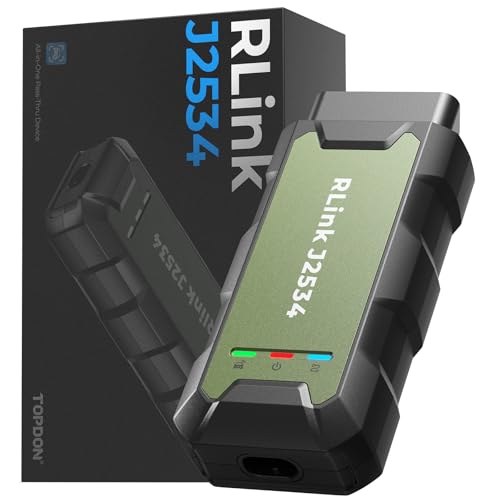
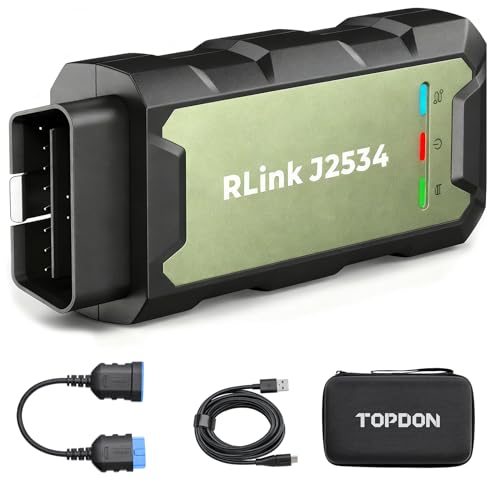
- Advanced VCI Box, Industry-leading J2534 Pass-Thru...
- High-Speed OEM-Level Diagnostics & Programming: Unlock true...
- Coverage for 17 Car Brands & Ultra Reliability: Works...
- User-Friendly RLink Platform & Expert Support: TOPDON’s...
- 6.6 ft USB-C Cable & Portable Storage Case: The RLink J...
Last update on 2026-06-23 / Affiliate links / Images from Amazon Product Advertising API
If the PDF is very large, it may not load in the preview below.
Some older TSBs had multiple PDFs — visit the NHTSA Website to view all PDFs.
If the TSB PDF does not show, download or view it on the NHTSA Website.
Click on the (+) Plus Sign
Then Click on Associated Document(s)
Search NHTSA Database for Recalls
Search NHTSA Database for Vehicle Investigations
View Latest Vehicle Investigations
Search NHTSA Database for Vehicle Complaints
View Latest Vehicle Complaints
TSB/Document ID: Index380
Replacement Service Bulletin Number:
MFR Communication Date: 2024-03-30
MFR Internal Campaign ID/Software Version:
Communication Type: Service Bulletin/Repair Instructions
NHTSA Components: EQUIPMENT
MFR Component System:
MFR Component Subsystem:
Previous TSB | Next TSB |
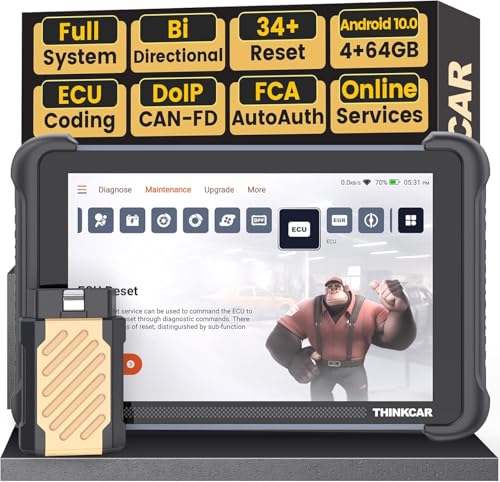
- [Notice] When you receive a used device, it may be a customer return resold by Amazon without inspection. You can exchange it for a new one through Amazon. As this situation is unavoidable, we sincerely apologize. For any issues, contacting us via Amazon's "Messages" is the best way. THINKSCAN 689BT Bidirectional Scan Tool Can Be Used Immediately After It is Turned On, Without Complicated Registration Process, Which is More Convenient & Quick.
- Full Bi-Directional Control & 3000+ Active Tests: Take control and test components like actuators, fuel injectors, relays, and cooling fans in real time. You’ll quickly see if the problem is in the part itself or the control module — saving you hours of guesswork and frustrating trial-and-error.
- Advanced ECU Coding Capabilities: Handle module matching and hidden feature activation with confidence. When you replace an ECU or want to customize settings, this obd2 scanner diagnostic bi directional tool gives you the professional-level capabilities you need without the dealership price tag.
- 34+ Useful Reset and Maintenance Functions: Complete everyday service tasks smoothly with a wide range of helpful reset and maintenance functions. Whether you’re keeping up with regular upkeep or tackling a specific job, this scanner makes maintenance simpler and less stressful for both DIYers and pros.
- Comprehensive Full System Diagnostics: Diagnose every major system — Engine, Transmission, ABS
 , SRS, TPMS, and more — all in one place. Finally stop wondering if you’re missing something important; get the full picture and clear codes with ease.
Last update on 2026-07-02 / Affiliate links / Images from Amazon Product Advertising API
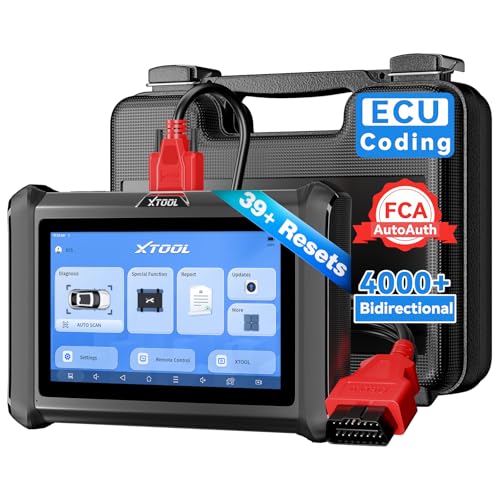
- Top Reasons to Choose the D7S OBD2 Scanner: XTOOL D7S car scan tool, an upgrade of XTOOL D7, offers comprehensive features for automotive technicians, workshops, and DIY enthusiasts 1. Upgraded Hardware: 2+64GB memory, rear camera, intuitive interface, foldable bracket 2. Complete Diagnostics: FCA Autoauth, OE-level all system scan, 39+ maintenance services, 4K+ bidirectional, CANFD/DoIP protocol 3. Advanced Capabilities: ECU c0ding, PMI functions 4. Wide Compatibility: Support 10,000+ models, covering 99% vehicle brands 5. Multi-language: Available in 22+ languages, No IP Restrictions 6. 3-Year Updates: Save 300 bucks on software updates for the latest features and optimizations
- 2026 Upgraded D7S Car Scanner Features: The newly 2026 D7S V2.0 scanner for car brings exciting features for advanced vehicle diagnostics and enhanced user experience 1. FCA AutoAuth: Now supports FCA SGW module for Chrysler, for Jeep, for Dodge (2018+), for Fiat (2017+), enabling faster vehicle communication without gateway restrictions 2. PMI (Offline ECU Pr0gramming): Allows for Ford, for Lincoln, and for Mazda ECU pr0gramming for new modules 3. Optimized Diagnostic Report 2.0: Personalized reports with logos and customer info for auto shops. Note: Compatibility varies by cars, please check before order
- 39+ Services/Resets/Adaptations/Relearns/Calibrations: XTOOL D7S full system car scanner diagnostic tool tackles 99% of common car issues through its 36+ special functions, including Oil Reset, EPB, SAS, BMS, Throttle Reset, Injector C0ding, ABS Bleed, TPMS Reset, Power Balance, etc and also covers specific-vehicle functions like Crank Sensor Relearn, ABS Initialization, Cylinder Power Balance, Fuel Trim Reset, Idle Relearn etc. This car diagnostic scanner enhances efficiency, making repairs and maintenance hassle-free. Tip: DO NOT for All vehicles, please check compatibility first
- Cost-effective ECU C0ding Scan Tool for Specific Brands: Enhance your vehicle's performance with XTOOL D7S! This obd2 scanner all systems bidirectional offers advanced capabilities at an affordable price, supports online for BMW, for Benz and offline for BENZ, for MIT, along with PMI functions for Ford, for Mazda, and for Lincoln. Ideal for technicians and DIY enthusiasts, this automotive scanner diagnostic tool optimizes vehicle performance and enhances the driving experience. Note: Not for all cars and modules, please send car VIN to check the compatibility before purchase
- OE All System Diagnostic & 8 Pids Graphing: XTOOL D7S is a comprehensive all system bi directional obd2 scanner that delivers dealer-level diagnostics, completely controlling over your vehicle’s performance and health. This automotive scan tool can read and clear DTCs, view live data and ECU information, retrieve freeze frames, and perform active tests and full obd2 functions. This bi-directional scan tool can can identify your vehicle's make, model, and year information with just one click and show up to 8 PIDs live data with options for CSV viewing, playback, and recording for in-depth analysis. It is easy-to-use for both professionals and beginners, helping pinpoint issues efficiently
Last update on 2026-06-30 / Affiliate links / Images from Amazon Product Advertising API

- 【✅Compared to BOSSCOMM IF742, IF745 Offers Full-System Diagnostics】The BOSSCOMM IF745 car diagnostic scanner is an upgraded model of IF742. In addition to supporting all OBD2 Code Reader functions and 6 reset options (ABS/EPB/SAS/BMS/Oil/Throttle), it expands diagnostics from 4 systems (Check Engine/ABS/SRS/Transmission) to vehicle All systems, including Steering, Suspension, and Body Electronics. This provides deeper, more comprehensive diagnostic capabilities.
- 【✨10 OBD2 Functions】The BOSSCOMM IF745 scan tool’s DTC Lookup instantly translates fault codes into user-friendly explanations, its I/M Readiness feature streamlines emissions testing with a single tap, and Freeze Frame lets you pinpoint the exact moment of a fault for in-depth root-cause diagnosis. Combined with a live data dashboard and advanced diagnostics (O2S, OBMon, EVAP), it delivers comprehensive insights for confident troubleshooting.
- 【✨Deep Diagnostics for All Vehicle System Modules】Beyond code reading/clearing and ECU information retrieval, our all-in-one data stream feature lets you inspect all current fault codes and their locations across the vehicle’s systems. This vehicle code reader helps you turn off dashboard warning lights and perform a comprehensive self-check of your car at home—no more back-and-forth trips to the repair shop or hefty inspection fees.
- 【✨6 Essential Resets: ABS Bleeding, Oil, EPB, SAS, Throttle, BMS】The BOSSCOMM IF745 obd2 scanner diagnostic tool swiftly purges air from brake lines to restore braking sensitivity, fine-tunes maintenance cycles to eliminate false alerts, resolves parking brake issues with one-click control, recalibrates steering sensors for stability, optimizes engine idling/acceleration for smoother performance, and deeply resets battery systems to extend lifespan and range via precise parameter adjustments.❗NOTE: Does NOT support bidirectional control, coding, or programming.
- 【✨10,000+ Car Models, AutoVIN, 13 Languages】The BOSSCOMM IF745 vehicle scanner diagnostic tool covers 73+ global car brands and offers support in 13 languages, making it perfect for DIYers, auto mechanics, or as a thoughtful gift. With a single-click AutoVIN feature, it instantly retrieves vehicle serial numbers, streamlining diagnostics for users globally. This adaptable tool balances user-friendliness with precision, catering to both personal and professional requirements.✅Unsure about compatibility? Compatibility will vary on vehicles' model and year, pls reach us via 📧 [email protected] 📧 before purchase.
Last update on 2026-07-02 / Affiliate links / Images from Amazon Product Advertising API
This product presentation was made with AAWP plugin.