
NHTSA ID Number: 10253663
Manufacturer Communication Number: OwnersB
TSB/Document Date: 2024-04-29
Summary
Tesla does not provide physical owner's manual copies. Instead, all available owner?s manual content is integrated into the vehicle software, and only the content relevant for a given vehicle, based on vehicle configuration and software version installed, is displayed on its touchscreen. This file contains all available owner?s manual content for 2015-2020 Model X vehicles converted to PDF format, and given the distribution method and NHTSA?s submission format requirements, it is the best available representative copy of owner?s manual content. However, a customer who accesses the owner?s manual via their vehicle?s touchscreen would only see the parts of this PDF file that are relevant to their vehicle.
In addition to the lights that you can control from the touchscreen, Model X has convenience lights that turn on and
off automatically based on what you are doing. For example, interior lights, marker lights, tail lights, and puddle
lights turn on when you unlock Model X, when you open a door, and when you shift into Park. They turn off
automatically after a minute or two or when you shift or lock Model X.
Exterior Lights
Exterior lights (headlights, tail lights, side marker lights, parking lights, and license plate lights) are set to Auto each
time you start Model X. When set to Auto, exterior lights automatically turn on when driving in low lighting
conditions, or whenever the wipers are active. If you change to a different setting, lights always revert to Auto on
your next drive.
Touch one of these options to change and retain the exterior light setting until adjusted again or the next time you
drive:
• Off: Exterior lights turn off. When driving, daytime running lights may remain on based on regulations in various
market regions.
• Parking: Parking lights, side marker lights, tail lights and license plate lights turn on.
• On: Low beam headlights, side marker lights, parking lights, tail lights, and license plate lights turn on.
CAUTION: Ensure the headlights and rear lights are on during low visibility conditions (for example, when it is
dark, foggy, snowy, or the road is wet, etc.). The rear tail lights are off while daytime running lights are on.
Failure to do so can cause damage or serious injury.
NOTE: To comply with local traffic regulations when crossing from a left-hand traffic region to a right-hand traffic
region, and vice versa, headlights should be adjusted. If you plan to drive to a region that requires headlights to be
adjusted, schedule a service appointment using the mobile app.
Fog Lights
If equipped, touch to turn the fog lights on or off. Fog lights operate only when low beam headlights are on. When
headlights are turned off, fog lights also turn off.
The rear fog indicator displays on the instrument panel whenever rear fog lights (if equipped) are on.
The front fog indicator displays on the instrument panel whenever the optional front fog lights are on.
NOTE: Depending on the market region and vehicle options, your vehicle may not be equipped with front and/or
rear fog lights.
NOTE: In some regions, there is no control for the front fog lights. They operate in conjunction with the headlights
and turn on only in situations where low beam headlights are on.
Dome Lights
Turn the interior dome (map) lights on or off. If set to Auto, all interior dome lights turn on when you unlock
Model X, open a door upon exiting, or shift into Park.
109
Owners Manual
You can also manually turn an individual dome light on or off by touching its lens. If you turn a dome light on, it turns
off when Model X powers off. If Model X was already powered off when you manually turned the light on, it turns off
after 60 minutes.
Headlights after Exit
When you stop driving and park Model X in low lighting conditions, exterior lights temporarily remain illuminated.
They automatically turn off after one minute or when you lock Model X whichever comes first.
NOTE: If you lock Model X using the Tesla mobile app or key fob, the headlights immediately turn off. However, if the
vehicle locks because Walk-Away Door Lock is enabled (see Walk-Away Door Lock on page 34), the headlights
automatically turn off after one minute.
To turn this feature on and off, touch Controls > Lights > Headlights After Exit. When Headlights After Exit is off, the
headlights turn off immediately when you engage Park and open a door.
High Beam Headlights
Push the turn signal stalk away from you to turn the high beam headlights on continuously. To cancel, pull the stalk
towards you.
To briefly flash the high beam headlights, pull the stalk towards you.
The high beam headlights can automatically switch to low beam when there is light detected in front of Model X (for
example, from an oncoming vehicle). To turn this feature on or off, touch Controls > Auto High Beam or Controls >
Lights > Auto High Beam.
NOTE: Your chosen setting is retained until you manually change it.
NOTE: Auto High Beam is automatically enabled when Autosteer is engaged.
In situations where high beams are turned off because Auto High Beam is turned on and light is detected in front of
Model X, you can temporarily turn on high beams by pulling the stalk all the way toward you.
The following indicator lights are visible on the instrument panel to show the status of the headlights:
Low beam headlights are on.
High beam headlights are on. Illuminates when high beams are on but the Auto High Beam setting is
turned off or if the Auto High Beam setting is turned on but is temporarily unavailable.
110
Owners Manual
High beams are currently turned on, and Auto High Beam is ready to turn off the high beams if light is
detected in front of Model X.
High beams are temporarily turned off because Auto High Beam is operating and light is detected in
front of Model X. When light is no longer detected, high beam headlights automatically turn back on.
WARNING: Auto High Beam is a convenience only and is subject to limitations. It is the driver's responsibility
to make sure that headlights are always appropriately adjusted for weather conditions and driving
circumstances.
Adaptive Front Lighting System (AFS)
If equipped, the Adaptive Front Lighting System (AFS) automatically adjusts the beam of the headlights to improve
your driving view. Electric sensors measure driving speed, steering angle and yaw (the rotation of the car around the
vertical axis) to determine the optimum position of the headlights based on current driving conditions. For example,
to improve visibility while driving on winding roads at night, the AFS casts the beam in the direction of the curve.
When low beam headlights are turned on and when driving at lower speeds, AFS improves lateral illumination to
increase the visibility of pedestrians and curbs, and to improve visibility when turning at a dark intersection, into a
driveway, or when making a u-turn.
The Adaptive Front Lighting System (AFS) operates whenever headlights are on. If Model X isn't moving, or is
moving in reverse, the adaptive headlights do not activate. This prevents the headlights from inadvertently blinding
other drivers.
If the AFS fails, the instrument panel displays an alert. Contact Tesla Service.
Turn Signals
Move the turn signal stalk up (before turning right) or down (before turning left). The turn signals flash three times
or continuously, depending on how far up or down you move the stalk. Lightly push the stalk up or down for a threeflash sequence. For a continuous signal, push the stalk fully up or down.
The turn signals stop operating when canceled by the steering wheel, or when you return the stalk to the central
position.
111
Owners Manual
When a turn signal is operating, the corresponding turn signal indicator lights up on the instrument
panel and a clicking sound can be heard.
WARNING: When actively using Traffic-Aware Cruise Control, engaging a turn signal can cause Model X to
accelerate in specific situations (see Overtake Acceleration on page 165).
WARNING: When actively using Autosteer, engaging a turn signal can cause Model X to change lanes (see
Auto Lane Change on page 172).
Hazard Warning Flashers
To turn on the hazard warning flashers, press the button located on the side of the touchscreen closest to the
steering wheel. All turn signals flash. Press again to turn off.
NOTE: Hazard warning flashers operate even without a key nearby.
Condensation in Head or Tail Lights
Due to weather changes, humidity levels, or recent exposure to water (such as a car wash), condensation may
occasionally accumulate in your vehicle’s head or tail lights. This is normal— as the weather gets warmer and
humidity decreases, condensation often disappears on its own. If you notice water buildup within the exterior lenses,
or if the condensation affects the visibility of the exterior lights, contact Tesla Service.
112
Owners Manual
Wipers and Washers
Wipers
To wipe the windshield, rotate the end of the turn signal stalk away from you. You can rotate to five positions:
• 1st: Off.
• 2nd: Auto with low rain sensitivity.*
• 3rd: Auto with high rain sensitivity.*
• 4th: Continuous, slow.
• 5th: Continuous, fast.
For a single wipe, press and release the end of the stalk.
If the wipers are set to Auto and Model X detects no liquid on the windshield, the wipers do not wipe.
*To enable the Auto settings, touch Controls > Vehicle > Autowipers (Beta). When wipers are set to Auto, Model X
detects whether or not it is raining. The frequency at which they wipe depends on how much rain is detected on the
windshield. When wipers are set to high rain sensitivity, the wipers turn on when Model X detects a light mist.
NOTE: When you engage Autosteer the wipers are set to Auto. Although you can change the wiper setting from
Auto while using Autosteer, the wipers once again default to Auto the next time you engage Autosteer.
NOTE: The Auto setting is currently in BETA. If uncertain about using the Auto setting while in the BETA phase, Tesla
recommends operating the wipers manually, as necessary.
NOTE: You can also adjust the windshield wiper speed and frequency using voice commands (see Voice Commands
on page 20).
CAUTION: Ensure the wipers are in the Off position before washing Model X to avoid the risk of damaging the
wipers.
To extend the life of wiper blades, remove ice from the windshield before turning wipers on. Ice has sharp edges that
can damage the rubber on the wiper blades.
Periodically check and clean the edge of the wiper blade. If damaged, replace the wiper blade immediately. For
details on checking and replacing wiper blades, see Windshield Wiper Blades, Jets and Fluid on page 270.
CAUTION: In harsh climates, ensure that the wiper blades are not frozen or adhered to the windshield.
Defrosting Wipers
To make wiper blades easy to access so you can remove any ice and snow, shift Model X into Park, turn the wipers
off, then use the touchscreen to move them to the service position. Touch Controls > Service > Wiper Service Mode.
When parking in cold outdoor climates, it is helpful to leave Model X with the wipers in the service position. In this
position, they are closer to the defrost vent, allowing you to thaw them by directing air from the climate control
system towards the windshield.
113
Owners Manual
If Model X is equipped with the optional cold weather package, you can defrost wipers by touching the climate
control on the touchscreen (see Operating Climate Controls on page 214). Wiper defrosters automatically turn off
after 15 minutes.
NOTE: Wipers automatically return to their normal position when you shift Model X out of Park.
Washers
Press the button on the end of the turn signal stalk to spray washer fluid onto the windshield. You can press this
button at two levels. Press partially for a single wipe, without any washer fluid. Press fully for both wipe and wash.
When washing the windshield, the wipers turn on. After releasing the button, the wipers perform two additional
wipes then, depending on vehicle and environmental conditions, a third wipe a few seconds later.
Periodically top up washer fluid (see Windshield Wiper Blades, Jets and Fluid on page 270).
114
Owners Manual
Braking and Stopping
Braking Systems
WARNING: Properly functioning braking systems are critical to ensure safety. If you experience a problem with
the brake pedal, brake calipers, or any component of a Model X braking system, contact Tesla immediately.
Model X has an anti-lock braking system (ABS) that prevents the wheels from locking when you apply maximum
brake pressure. This improves steering control during heavy braking in most road conditions.
During emergency braking conditions, the ABS constantly monitors the speed of each wheel and varies the brake
pressure according to the grip available.
The alteration of brake pressure can be felt as a pulsing sensation through the brake pedal. This demonstrates that
the ABS is operating and is not a cause for concern. Keep firm and steady pressure on the brake pedal while
experiencing the pulsing.
The ABS indicator briefly flashes amber on the instrument panel when you first start Model X. If this indicator lights
up at any other time, an ABS fault has occurred and the ABS is not operating. Contact Tesla. The braking system
remains fully operational and is not affected by an ABS failure. However, braking distances may increase. Drive
cautiously and avoid heavy braking.
If the instrument panel displays this red brake indicator at any time other than briefly when you first start Model X,
a brake system fault is detected, or the level of the brake fluid is low. Contact Tesla immediately. Apply steady
pressure and keep the brakes firm to bring the vehicle to a stop when safe to do so.
The instrument panel displays this amber brake indicator if a brake booster fault is detected. Apply steady pressure
and keep the brakes firm to stop the vehicle when safety permits. Hydraulic Boost Compensation will be active
(see Hydraulic Boost Compensation on page 116).
Emergency Braking
In an emergency, fully press the brake pedal and maintain firm pressure, even on low traction surfaces. The ABS
varies the braking pressure to each wheel according to the amount of traction available. This prevents wheels from
locking and ensures that you stop as safely as possible.
If an alternative method is needed to bring the vehicle to a stop, press and hold the Park button on the drive stalk to
apply the brakes and remove drive torque while the button is held.
WARNING: Do not pump the brake pedal. Doing so interrupts operation of the ABS and can increase braking
distance.
WARNING: Always maintain a safe distance from the vehicle in front of you and be aware of hazardous driving
conditions. While the ABS can improve stopping distance, it cannot overcome the laws of physics. It also does
not prevent the danger of hydroplaning (where a layer of water prevents direct contact between the tires and
the road).
CAUTION: Automatic Emergency Braking (see Collision Avoidance Assist on page 202) may intervene to
automatically brake in situations where a collision is considered imminent. Automatic Emergency Braking is not
designed to prevent a collision. At best, it can minimize the impact of a frontal collision by attempting to
reduce your driving speed. Depending on Automatic Emergency Braking to avoid a collision can result in
serious injury or death.
CAUTION: In emergency situations, if the brakes are not functioning properly, press and hold the Park button
to bring Model X to a stop. Do not use this method to stop the vehicle unless absolutely necessary.
Dynamic Brake Lights (if equipped)
If you are driving over 30 mph (50 km/h) and brake forcefully (or if Automatic Emergency Braking engages), the
brake lights flash quickly to warn other drivers that Model X is rapidly slowing down. If Model X stops completely, the
hazard warning lights flash. Flashing continues until you press the accelerator or manually press the hazard lights
button to turn them off (see ).
115
Owners Manual
NOTE: When towing a trailer (if applicable), the brake lights on the trailer also operate as described above, even
when the trailer is not equipped with a separate braking system.
WARNING: When towing a trailer (if applicable), always increase your following distance. Sudden braking may
result in skidding, jack-knifing, and loss of control.
Brake Disc Wiping
To ensure brakes remain responsive in cold and wet weather, Model X is equipped with brake disc wiping. When cold
and wet weather is detected, this feature repeatedly applies an imperceptible amount of brake force to remove
water from the surface of the brake discs.
Hydraulic Fade Compensation
Model X is equipped with hydraulic fade compensation. This assists in monitoring brake system pressure and ABS
activity for instances of reduced brake performance. If reduced brake performance is detected (for example, as a
result of brake fade, or cold or wet conditions), you may hear a sound, feel the brake pedal pull away from your foot,
and notice a strong increase in braking. Brake as you normally would and continue to press the brake pedal without
releasing or pumping the brakes.
CAUTION: In emergency situations, if the brakes are not functioning properly, press and hold the Park button
to bring Model X to a stop. Do not use this method to stop the vehicle unless absolutely necessary.
WARNING: Always maintain a safe driving distance from the vehicle in front of you and exercise caution when
driving conditions are hazardous. Brake disc wiping and hydraulic fade compensation is not a substitute for
adequately applying the brakes.
Hydraulic Boost Compensation
Model X is equipped with a brake booster that activates the brakes when the brake pedal is pressed. Hydraulic boost
compensation provides mechanical assistance if the brake booster fails. If a brake booster failure is detected, the
brake pedal feels stiffer to press and you may hear a sound when you press the brake pedal. To stop Model X, apply
steady force to the brake pedal without releasing or pumping. Drive cautiously and maintain a safe distance from
other road users—brake pedal responsiveness and braking performance may be degraded.
Regenerative Braking
Whenever Model X is moving and your foot is off the accelerator, regenerative braking slows down the vehicle and
feeds any surplus power back to the Battery. By anticipating your stops and reducing or removing pressure from the
accelerator pedal to slow down, you can take advantage of regenerative braking to increase driving range.
The power meter on the Energy app displays real-time feedback on the amount of power being used. You can also
display the power meter on either side of the instrument panel by choosing Energy using the scroll button on the
steering wheel (see Steering Wheel on page 101). When energy is being gained by regenerative braking, the power
meter displays a green area that represents the amount of power that is being fed back to the Battery.
The amount of power fed back to the Battery using regenerative braking can depend on the current state of the
Battery. For example, regenerative braking may be limited if the Battery is cold or is already fully charged. When
regenerative braking is limited, the power meter displays a dashed line to indicate the amount of deceleration power
that is not being fed back to the Battery.
116
Owners Manual
NOTE: If regenerative braking is aggressively slowing Model X (such as when your foot is completely off the
accelerator pedal at highway speeds), the brake lights turn on to alert others that you are slowing down.
NOTE: Because Model X uses regenerative braking, the brake pads are typically used less frequently than those in
traditional braking systems. To avoid the accumulation of rust and corrosion, Tesla recommends frequently pressing
the brake pedal to apply the mechanical brakes and dry the brake pads and rotors.
WARNING: In snowy or icy conditions, Model X may experience loss of traction during regenerative braking,
particularly when in the Standard setting and/or not using winter tires. Tesla recommends using the Low
setting in snowy or icy conditions to help maintain vehicle stability.
To Set the Regenerative Braking Level
NOTE: The regenerative braking setting is not available on all vehicles.
You can use the touchscreen to change the level of regenerative braking:
1. Touch Controls > Pedals & Steering > Regenerative Braking.
2. Choose from two levels:
◦ Standard: Provides the maximum amount of regenerative braking. When you release the accelerator, Model X
slows down.
◦ Low: Limits regenerative braking. When you release the accelerator, Model X takes longer to slow down and
coasts farther than if set to "Standard".
Stopping Mode
Regenerative braking decelerates Model X whenever you release the accelerator pedal when driving. You can choose
what you want Model X to do once the driving speed has been reduced to a very low speed (almost at a stop) and
both the accelerator pedal and brake pedal are released. While in Park, touch Controls > Driving > Stopping Mode
and choose from these options:
• CREEP: When close to, or at, a complete stop, the motor continues to apply torque, moving Model X slowly
forward (in Drive) or backwards (in Reverse), similar to a conventional vehicle with an automatic transmission. In
some situations, such as on a steep hill or driveway, you may need to press the accelerator pedal to continue
moving or to prevent Model X from moving in the opposite direction.
117
Owners Manual
WARNING: Never rely on CREEP to apply enough torque to prevent your vehicle from rolling down a hill.
Always press the brake pedal to remain stopped or the accelerator pedal to proceed up the hill. Failure to
do so can result in property damage and/or a collision.
• HOLD: Maximizes range and reduces brake wear by continuing to provide regenerative braking at speeds lower
than with the Creep and Roll settings. When Model X stops, the brakes are automatically applied without you
having to put your foot on the brake pedal. Whether stopped on a flat surface or a hill, Vehicle Hold keeps the
brake applied, provided your foot remains off the accelerator and brake pedals. See Vehicle Hold on page 132.
WARNING: Never rely on HOLD to adequately decelerate or fully stop your vehicle. Many factors can
contribute to a longer stopping distance, including downward slopes, the low regenerative braking setting,
and reduced or limited regenerative braking (see Regenerative Braking on page 116). Always be prepared to
use the brake pedal to adequately decelerate or stop.
• ROLL: When close to, or at, a complete stop, Model X becomes free rolling like a vehicle in Neutral. Therefore, if
stopped on a slope, Model X will roll downward. The brake does not engage, and the motor does not apply
torque (until the accelerator pedal is pressed).
NOTE: If you choose CREEP or ROLL, you can still use Vehicle Hold to apply the brakes. However, you will need to
briefly press the brake pedal when the vehicle is stopped. See Vehicle Hold on page 132.
NOTE: Your preferred Stopping Mode setting does not sync to your driver profile.
WARNING: Press the brake pedal if Model X moves when unsafe to do so. It is your responsibility to stay alert
and be in control of the vehicle at all times. Failure to do so can result in serious damage, injury, or death.
WARNING: Do not rely on regenerative braking and your chosen Stopping Mode to keep you and your vehicle
safe. Various factors such as driving with a heavy vehicle load, on a steep hill, or on wet or icy roads affect
deceleration rate and the distance at which Model X will come to a stop. Drive attentively and always stay
prepared to use the brake pedal to stop as appropriate based on traffic and road conditions.
WARNING: Forward Collision Warning and Automatic Emergency Braking do not operate when driving at very
low speeds (see Collision Avoidance Assist on page 202). Do not rely on these features to warn you, or to
prevent or reduce the impact of a collision.
Parking Brake
To engage the parking brake, touch Controls > Safety > Parking Brake. Follow the onscreen instructions. You can
also engage the parking brake by pressing and holding the button on the end of the drive stalk while in Park.
Use the touchscreen to manually release the parking brake (which also shifts Model X into Neutral):
1. Touch Controls > Safety.
2. Press the brake pedal, then touch Parking Brake. If Model X was previously in Park, it shifts into Neutral.
When you manually apply the parking brake using the touchscreen, or by pressing and holding the button on the
end of the drive stalk when in Park, the red parking brake indicator lights up on the instrument panel.
If the parking brake experiences an electrical issue, the amber parking brake indicator lights up and a fault
message displays on the instrument panel.
NOTE: The parking brake operates on the rear wheels only, and is independent of the pedal-operated brake system.
CAUTION: In the unlikely event that Model X loses electrical power, you cannot access the touchscreen and are
therefore unable to release the parking brake without first jump starting (see Jump Starting on page 307).
118
Owners Manual
WARNING: In snowy or icy conditions the rear wheels may not have sufficient traction to prevent Model X from
sliding down a slope, particularly if not using winter tires. Avoid parking on hills in snowy or icy conditions. You
are always responsible for parking safely.
WARNING: Your Model X may display an alert if the road is too steep to safely park on, or if the parking brakes
are not properly engaged. These alerts are for guidance purposes only and are not a substitute for the driver’s
judgment of safe parking conditions, including specific road or weather conditions. Do not depend on these
alerts to determine whether or not it is safe to park at any location. You are always responsible for parking
safely.
Brake Wear
Model X brake pads are equipped with wear indicators. A wear indicator is a thin metal strip attached to the brake
pad that squeals as it rubs against the rotor when the pad wears down. This squealing sound indicates that the brake
pads have reached the end of their service life and require replacement. To replace the brake pads, contact Tesla
Service.
Brakes must be periodically inspected visually by removing the tire and wheel. For detailed specifications and
service limits for rotors and brake pads, see Subsystems on page 286. Additionally, Tesla recommends cleaning and
lubricating the brake calipers every year or 12,500 miles (20,000 km) if in an area where roads are salted during
winter months.
WARNING: Neglecting to replace worn brake pads damages the braking system and can result in a braking
hazard.
119
Owners Manual
Air Suspension
NOTE: When Model X starts, you may hear the sound of the compressor as the air suspension system’s reservoir fills
with air.
Your Model X is equipped with Adaptive Air Suspension that offers superior ride quality and allows you to choose a
softer or firmer ride based on your preference. When carrying loads, the system also maintains a level height
between the front and rear. You can manually adjust the ride height to suit your circumstances (for example, you can
raise Model X when you need extra ground clearance, such as when driving on a steep driveway or ramp, in deep
snow, over large speed bumps, parking curbs, etc.).
If a fault is detected that reduces the performance of the adaptive air suspension system, a yellow
indicator lights up on the instrument panel. If the problem persists, contact Tesla.
If a fault is detected that disables the adaptive air suspension system, a red indicator lights up on the
instrument panel. Contact Tesla.
Adjusting Ride Height
CAUTION: Before adjusting the suspension height, ensure Model X is clear of all obstacles, above and below.
You can manually adjust the ride height by pressing the brake pedal and touching Controls > Suspension on the
touchscreen. The ride height settings that are available depend on your driving speed and other conditions (for
example, the suspension does not lower if a door is open). The touchscreen also displays the approximate ground
clearance for each setting. Drag the slider to choose from these options:
• Very High - When set to Very High, the suspension automatically lowers to the default ride height*, which is
Standard or Low, after driving approximately 100 feet (30 meters) or when driving speed reaches 15 mph
(24 km/h). To maintain the Very High setting for an unlimited distance until your driving speed reaches the speed
threshold, touch Persist until 15 mph in the setting for Very High.
• High - When set to High, the suspension automatically lowers to the default ride height*, which is Standard or or
Low, after driving approximately 100 feet (30 meters) or when driving speed reaches 35 mph (56 km/h). To
maintain the High setting for an unlimited distance until your driving speed reaches the speed threshold, touch
Persist until 35 mph.
• Standard - The Standard setting ensures optimum comfort and handling under all loading conditions.
• Low - Lowering the height can improve aerodynamics, make it easier to load or unload cargo and passengers,
and improve handling.
• Very Low - This setting takes effect when you manually choose it. The suspension will revert to the default setting
on your next drive, or when appropriate based on vehicle speed.
*If the Default Ride Height to Low setting is turned off, the ride height is adjusted between Standard and Low to
balance ride comfort with handling and range. To optimize handling and range, turn on the Default Ride Height to
Low setting.
CAUTION: Avoid driving aggressively (hard accelerations, sharp turns, etc.) when the suspension is set to High
or Very High. Doing so can cause vibration and increase the possibility of damage.
CAUTION: Acceleration may be reduced when the suspension is set to High or Very High.
Adaptive Suspension Damping
The settings associated with Adaptive Suspension Damping provide real-time adjustments to the suspension system
to optimize both ride and handling. Choose from:
120
Owners Manual
• Comfort - Provides a gentler ride for a relaxed driving experience.
• Auto - Adjusts to a wide range of roads and driving styles, providing a fluid yet well controlled ride.
• Sport - Provides a firmer, more controlled ride that increases driver engagement and connection to the road.
• Advanced - Can be used to fine tune the suspension by dragging individual sliders that adjust Ride Comfort and
Handling.
Touch Show Suspension Data to display detailed information about the dampers for each wheel, including ride
height, compression and rebound values, and body accelerations.
NOTE: When Adaptive Suspension Damping is set to Comfort or Auto, the suspension may raise to improve ride
comfort on rough roads. (U.S. only) This feature depends on the availability of up-to-date map data that includes
data indicating rough road sections.
Use Comfort Damping in Autopilot - By default, damping automatically sets to the Comfort setting when using
Autopilot, and reverts back to your chosen setting when Autopilot is no longer in use. Turn this setting off to disable
this feature.
Real-time Visualization
The image of your Model X on the Suspension screen provides a real-time visualization of the status of the air
suspension system. In addition to visually showing changes to the ride height, it displays Compression and Rebound
lines that reflect how the suspension system is controlling the dampers for each wheel based on your chosen
settings and changing road conditions. Both are controlled simultaneously. Touch Show Suspension Data to display
detailed information about the dampers for each wheel, including ride height, compression and rebound values, and
body accelerations.
NOTE: The instrument panel can also display a real-time visualization of how the suspension system is dynamically
adjusting each wheel’s damping to account for changing road conditions. To view, hold the respective steering wheel
scroll button briefly until the available options are displayed. Roll the scroll button to highlight Suspension, then tap
the scroll button.
Auto-Raising Locations
Whenever you raise the suspension to High or Very High, the location is automatically saved. By saving the location,
you do not need to manually raise the suspension every time you arrive at a frequently-used location where you
have previously raised the suspension. When you return to the saved location, Model X raises the suspension and the
instrument panel displays a message indicating that the suspension is being raised.
When saving locations, Model X also saves the Persist until XX mph setting (if specified).
NOTE: When returning to a saved location and driving faster than the High and Very High suspension settings allow,
the suspension does not raise until Model X slows down.
NOTE: After leaving a saved location, the suspension automatically lowers. However, it may not lower until Model X
meets the speed and distance threshold at which the suspension lowers.
NOTE: If Model X reaches a saved location and the existing suspension setting is already higher than the level that
has been saved for that location, the ride height is not adjusted.
To remove an auto-raising location
If you do not want the suspension to automatically raise at a location, touch to deselect Always raise at this location
in the popup that appears when you arrive at a saved location.
Self-Leveling
Model X equipped with air suspension automatically self-levels, even when power is off. To prevent damage when
jacking or lifting the vehicle, you must activate Jack Mode to disable self-leveling (press the brake pedal and touch
Controls > Service > Jack Mode). For more details, see Jack Mode on page 275.
121
Owners Manual
Air Suspension
NOTE: When Model X starts, you may hear the sound of the compressor as the air suspension system’s reservoir fills
with air.
Air suspension offers a superior ride quality and when carrying loads, the system maintains a level height between
the front and rear. You can manually adjust the ride height to suit your circumstances (for example, you can raise
Model X when driving at low speeds when you need extra ground clearance, such as when driving on a steep
driveway or ramp, in deep snow, over large speed bumps, parking curbs, etc.).
If a fault is detected that reduces the performance of the air suspension system, a yellow indicator
lights up on the instrument panel. If the problem persists, contact Tesla.
If a fault is detected that disables the air suspension system, a red indicator lights up on the instrument
panel. Contact Tesla.
Adjusting Ride Height
CAUTION: Before adjusting the suspension height, ensure Model X is clear of all obstacles, above and below.
You can manually adjust the ride height by pressing the brake pedal touching Controls > Suspension on the
touchscreen. The ride height settings that are available depend on your driving speed and other conditions (for
example, the suspension does not lower if a door is open). The touchscreen also displays the approximate ground
clearance for each setting. Drag the slider to choose from these options:
• Very High. When set to Very High, the suspension automatically lowers to High after driving approximately 100
feet (30 meters) or when driving speed reaches 15 mph (24 km/h). To maintain the Very High setting for an
unlimited distance until your driving speed reaches the speed threshold, touch Keep until 15 mph.
• High. When set to High, the suspension automatically lowers to Standard after driving approximately 100 feet (30
meters) or when driving speed reaches 35 mph (56 km/h). To maintain the High setting for an unlimited distance
until your driving speed reaches the speed threshold, touch Keep until 35 mph.
• Standard. The Standard setting ensures optimum comfort and handling under all loading conditions.
• Low. Lowering the height can improve aerodynamics and make it easier to load or unload cargo and passengers.
• Very Low. This setting takes effect only when you manually choose it. The suspension reverts to the default
setting on your next drive.
CAUTION: Avoid driving aggressively (hard accelerations, sharp turns, etc.) when the suspension is set to High
or Very High. Doing so can cause vibration and increase the possibility of damage.
CAUTION: Acceleration may be reduced when the suspension is set to High or Very High.
Automatic Lowering
When driving Model X above typical driveway or parking lot speeds, the suspension automatically lowers ride height
to improve aerodynamics and handling. For most average speed driving, the suspension is automatically set to
Standard. As described above, when you make manual height adjustments, the suspension automatically lowers at
increased driving speeds.
You can adjust the speed at which the suspension automatically transitions to the Low ride height by touching
Controls > Suspension > Adjust Speed on the touchscreen, then moving the slider to the desired speed. You can also
choose Always to maintain the lowered suspension at all speeds or Never to disable the suspension from
automatically transitioning to Low.
122
Owners Manual
NOTE: You can temporarily override the ride height by touching Controls > Suspension, and then manually choosing
a ride height. Your suspension's automatic lowering setting is restored the next time you drive.
Auto-Raising Locations
Whenever you raise the suspension to High or Very High, the location is automatically saved. By saving the location,
you do not need to manually raise the suspension every time you arrive at a frequently-used location where you
have previously raised the suspension. When you return to the saved location, Model X raises the suspension and the
instrument panel displays a message indicating that the suspension is being raised.
When saving locations, Model X also saves the Keep until XX mph setting (if specified).
NOTE: When returning to a saved location and driving faster than the High and Very High suspension settings allow,
the suspension does not raise until Model X slows down.
NOTE: After leaving a saved location, the suspension automatically lowers. However, it may not lower until Model X
meets the speed and distance threshold at which the suspension lowers.
NOTE: If Model X reaches a saved location and the existing suspension setting is already higher than the level that
has been saved for that location, the ride height is not adjusted.
To remove an auto-raising location
If you do not want the suspension to automatically raise at a location, touch to deselect Always Auto-Raise at This
Location in the popup that appears when you arrive at a saved location.
Self-Leveling
Model X equipped with air suspension automatically self-levels, even when power is off. To prevent damage when
jacking or lifting the vehicle, you must activate Jack Mode to disable self-leveling (press the brake pedal and touch
Controls > Service > Jack Mode). For more details, see Jack Mode on page 275.
123
Owners Manual
Air Suspension
NOTE: When Model X starts, you may hear the sound of the compressor as the air suspension system’s reservoir fills
with air.
Air suspension offers a superior ride quality and when carrying loads, the system maintains a level height between
the front and rear. You can manually adjust the ride height to suit your circumstances (for example, you can raise
Model X when driving at low speeds when you need extra ground clearance, such as when driving on a steep
driveway or ramp, in deep snow, over large speed bumps, parking curbs, etc.).
If a fault is detected that reduces the performance of the air suspension system, a yellow indicator
lights up on the instrument panel. If the problem persists, contact Tesla.
If a fault is detected that disables the air suspension system, a red indicator lights up on the instrument
panel. Contact Tesla.
Adjusting Ride Height
CAUTION: Before adjusting the suspension height, ensure Model X is clear of all obstacles, above and below.
You can manually adjust the ride height by pressing the brake pedal touching Controls > Suspension on the
touchscreen. The ride height settings that are available depend on your driving speed and other conditions (for
example, the suspension does not lower if a door is open). The touchscreen also displays the approximate ground
clearance for each setting. Drag the slider to choose from these options:
• Very High. When set to Very High, the suspension automatically lowers to High when driving speed reaches
22 mph (35 km/h).
• High. When set to High, the suspension automatically lowers to Standard when driving speed reaches 34 mph
(55 km/h).
• Standard. The Standard setting ensures optimum comfort and handling under all loading conditions.
• Low. Lowering the height can improve aerodynamics and make it easier to load or unload cargo and passengers.
CAUTION: Avoid driving aggressively (hard accelerations, sharp turns, etc.) when the suspension is set to High
or Very High. Doing so can cause vibration and increase the possibility of damage.
CAUTION: Acceleration may be reduced when the suspension is set to High or Very High.
Auto-Raising Suspension
Auto-raising suspension saves you from manually having to raise the suspension every time you arrive at a
frequently-used location where you have previously raised the suspension. The location is automatically saved
whenever you raise the suspension to High or Very High. When you return to the saved location, Model X raises the
suspension and the instrument panel displays a message indicating that the suspension is being raised.
After leaving a saved location, the suspension automatically lowers. However, it may not lower until Model X meets
the speed threshold at which the suspension lowers.
NOTE: When returning to a saved location and driving faster than the High and Very High suspension settings allow,
the suspension does not raise until Model X slows down.
NOTE: If Model X reaches a saved location and the existing suspension setting is already higher than the level that
has been saved for that location, the ride height is not adjusted.
124
Owners Manual
To remove an auto-raising location
If you do not want the suspension to automatically raise at a location, touch the X in the auto-raising status message
that displays at a saved location. By doing so, the suspension does not automatically raise at the location.
Self-Leveling
Model X equipped with air suspension automatically self-levels, even when power is off. To prevent damage when
jacking or lifting the vehicle, you must activate Jack Mode to disable self-leveling (press the brake pedal and touch
Controls > Service > Jack Mode). For more details, see Jack Mode on page 275.
125
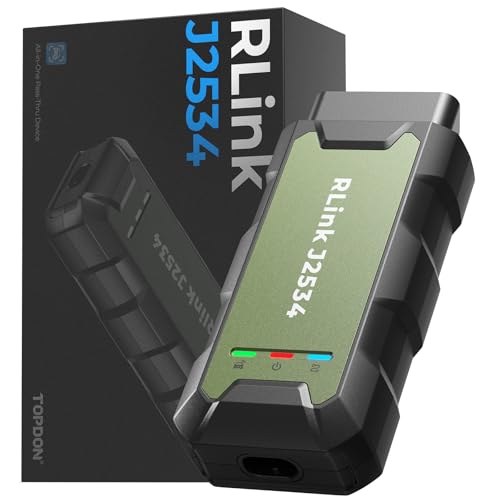
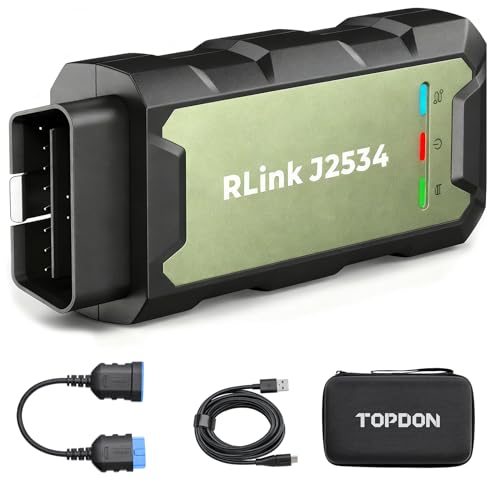
- Advanced VCI Box, Industry-leading J2534 Pass-Thru...
- High-Speed OEM-Level Diagnostics & Programming: Unlock true...
- Coverage for 17 Car Brands & Ultra Reliability: Works...
- User-Friendly RLink Platform & Expert Support: TOPDON’s...
- 6.6 ft USB-C Cable & Portable Storage Case: The RLink J...
Last update on 2026-06-23 / Affiliate links / Images from Amazon Product Advertising API
If the PDF is very large, it may not load in the preview below.
Some older TSBs had multiple PDFs — visit the NHTSA Website to view all PDFs.
If the TSB PDF does not show, download or view it on the NHTSA Website.
Click on the (+) Plus Sign
Then Click on Associated Document(s)
Search NHTSA Database for Recalls
Search NHTSA Database for Vehicle Investigations
View Latest Vehicle Investigations
Search NHTSA Database for Vehicle Complaints
View Latest Vehicle Complaints
TSB/Document ID: OwnersB
Replacement Service Bulletin Number:
MFR Communication Date: 2024-03-27
MFR Internal Campaign ID/Software Version:
Communication Type: Service Bulletin/Repair Instructions
NHTSA Components: EQUIPMENT:ELECTRICAL:INFOTAINMENT:VIDEO (TOUCH)SCREEN/MONITOR/UNIT
MFR Component System:
MFR Component Subsystem:
Previous TSB | Next TSB |
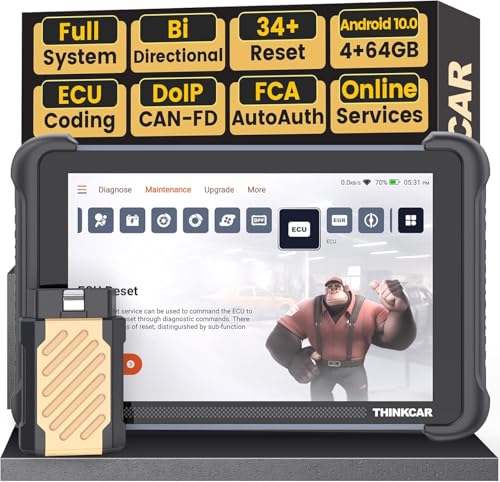
- [Notice] When you receive a used device, it may be a customer return resold by Amazon without inspection. You can exchange it for a new one through Amazon. As this situation is unavoidable, we sincerely apologize. For any issues, contacting us via Amazon's "Messages" is the best way. THINKSCAN 689BT Bidirectional Scan Tool Can Be Used Immediately After It is Turned On, Without Complicated Registration Process, Which is More Convenient & Quick.
- Full Bi-Directional Control & 3000+ Active Tests: Take control and test components like actuators, fuel injectors, relays, and cooling fans in real time. You’ll quickly see if the problem is in the part itself or the control module — saving you hours of guesswork and frustrating trial-and-error.
- Advanced ECU Coding Capabilities: Handle module matching and hidden feature activation with confidence. When you replace an ECU or want to customize settings, this obd2 scanner diagnostic bi directional tool gives you the professional-level capabilities you need without the dealership price tag.
- 34+ Useful Reset and Maintenance Functions: Complete everyday service tasks smoothly with a wide range of helpful reset and maintenance functions. Whether you’re keeping up with regular upkeep or tackling a specific job, this scanner makes maintenance simpler and less stressful for both DIYers and pros.
- Comprehensive Full System Diagnostics: Diagnose every major system — Engine, Transmission, ABS, SRS, TPMS, and more — all in one place. Finally stop wondering if you’re missing something important; get the full picture and clear codes with ease.
Last update on 2026-07-02 / Affiliate links / Images from Amazon Product Advertising API
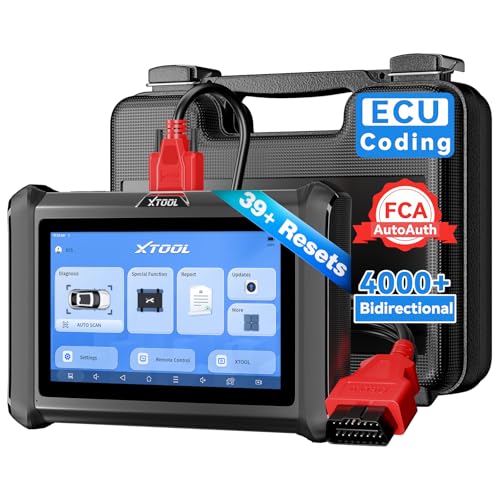
- Top Reasons to Choose the D7S OBD2 Scanner: XTOOL D7S car scan tool, an upgrade of XTOOL D7, offers comprehensive features for automotive technicians, workshops, and DIY enthusiasts 1. Upgraded Hardware: 2+64GB memory, rear camera, intuitive interface, foldable bracket 2. Complete Diagnostics: FCA
 Autoauth, OE-level all system scan, 39+ maintenance services, 4K+ bidirectional, CANFD/DoIP protocol 3. Advanced Capabilities: ECU c0ding, PMI functions 4. Wide Compatibility: Support 10,000+ models, covering 99% vehicle brands 5. Multi-language: Available in 22+ languages, No IP Restrictions 6. 3-Year Updates: Save 300 bucks on software updates for the latest features and optimizations
 - 2026 Upgraded D7S Car Scanner Features: The newly 2026 D7S V2.0 scanner for car brings exciting features for advanced vehicle diagnostics and enhanced user experience 1. FCA AutoAuth: Now supports FCA SGW module for Chrysler, for Jeep, for Dodge (2018+), for Fiat (2017+), enabling faster vehicle communication without gateway restrictions 2. PMI (Offline ECU Pr0gramming): Allows for Ford, for Lincoln, and for Mazda ECU pr0gramming for new modules 3. Optimized Diagnostic Report 2.0: Personalized reports with logos and customer info for auto shops. Note: Compatibility varies by cars, please check before order
- 39+ Services/Resets/Adaptations/Relearns/Calibrations: XTOOL D7S full system car scanner diagnostic tool tackles 99% of common car issues through its 36+ special functions, including Oil Reset, EPB, SAS, BMS, Throttle Reset, Injector C0ding, ABS Bleed, TPMS Reset, Power Balance, etc and also covers specific-vehicle functions like Crank Sensor Relearn, ABS Initialization, Cylinder Power Balance, Fuel Trim Reset, Idle Relearn etc. This car diagnostic scanner enhances efficiency, making repairs and maintenance hassle-free. Tip: DO NOT for All vehicles, please check compatibility first
- Cost-effective ECU C0ding Scan Tool for Specific Brands: Enhance your vehicle's performance with XTOOL D7S! This obd2 scanner all systems bidirectional offers advanced capabilities at an affordable price, supports online for BMW, for Benz and offline for BENZ, for MIT, along with PMI functions for Ford, for Mazda, and for Lincoln. Ideal for technicians and DIY enthusiasts, this automotive scanner diagnostic tool optimizes vehicle performance and enhances the driving experience. Note: Not for all cars and modules, please send car VIN to check the compatibility before purchase
- OE All System Diagnostic & 8 Pids Graphing: XTOOL D7S is a comprehensive all system bi directional obd2 scanner that delivers dealer-level diagnostics, completely controlling over your vehicle’s performance and health. This automotive scan tool can read and clear DTCs, view live data and ECU information, retrieve freeze frames, and perform active tests and full obd2 functions. This bi-directional scan tool can can identify your vehicle's make, model, and year information with just one click and show up to 8 PIDs live data with options for CSV viewing, playback, and recording for in-depth analysis. It is easy-to-use for both professionals and beginners, helping pinpoint issues efficiently
Last update on 2026-06-30 / Affiliate links / Images from Amazon Product Advertising API
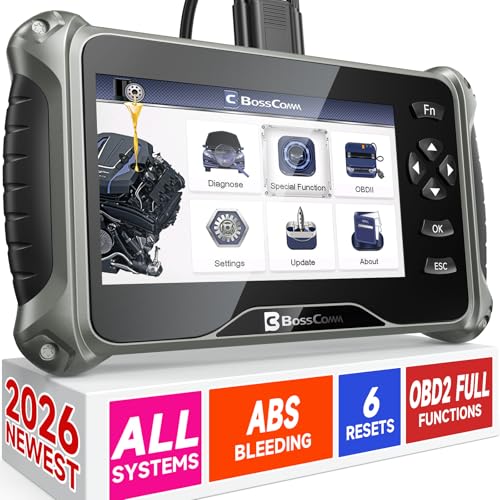
- 【✅Compared to BOSSCOMM IF742, IF745 Offers Full-System Diagnostics】The BOSSCOMM IF745 car diagnostic scanner is an upgraded model of IF742. In addition to supporting all OBD2 Code Reader functions and 6 reset options (ABS/EPB/SAS/BMS/Oil/Throttle), it expands diagnostics from 4 systems (Check Engine/ABS/SRS/Transmission) to vehicle All systems, including Steering, Suspension, and Body Electronics. This provides deeper, more comprehensive diagnostic capabilities.
- 【✨10 OBD2 Functions】The BOSSCOMM IF745 scan tool’s DTC Lookup instantly translates fault codes into user-friendly explanations, its I/M Readiness feature streamlines emissions testing with a single tap, and Freeze Frame lets you pinpoint the exact moment of a fault for in-depth root-cause diagnosis. Combined with a live data dashboard and advanced diagnostics (O2S, OBMon, EVAP), it delivers comprehensive insights for confident troubleshooting.
- 【✨Deep Diagnostics for All Vehicle System Modules】Beyond code reading/clearing and ECU information retrieval, our all-in-one data stream feature lets you inspect all current fault codes and their locations across the vehicle’s systems. This vehicle code reader helps you turn off dashboard warning lights and perform a comprehensive self-check of your car at home—no more back-and-forth trips to the repair shop or hefty inspection fees.
- 【✨6 Essential Resets: ABS Bleeding, Oil, EPB, SAS, Throttle, BMS】The BOSSCOMM IF745 obd2 scanner diagnostic tool swiftly purges air from brake lines to restore braking sensitivity, fine-tunes maintenance cycles to eliminate false alerts, resolves parking brake issues with one-click control, recalibrates steering sensors for stability, optimizes engine idling/acceleration for smoother performance, and deeply resets battery systems to extend lifespan and range via precise parameter adjustments.❗NOTE: Does NOT support bidirectional control, coding, or programming.
- 【✨10,000+ Car Models, AutoVIN, 13 Languages】The BOSSCOMM IF745 vehicle scanner diagnostic tool covers 73+ global car brands and offers support in 13 languages, making it perfect for DIYers, auto mechanics, or as a thoughtful gift. With a single-click AutoVIN feature, it instantly retrieves vehicle serial numbers, streamlining diagnostics for users globally. This adaptable tool balances user-friendliness with precision, catering to both personal and professional requirements.✅Unsure about compatibility? Compatibility will vary on vehicles' model and year, pls reach us via 📧 [email protected] 📧 before purchase.
Last update on 2026-07-02 / Affiliate links / Images from Amazon Product Advertising API
This product presentation was made with AAWP plugin.