
NHTSA ID Number: 11017041
Manufacturer Communication Number: LI82.62-P-076176
TSB/Document Date: 2025-04-15
Summary
Complaint Interference or static noise from speakers when driving. Note: If the noise only occurs at driving speeds between 12mph (20 km/h) to 111mph (180 km/h), it is possible that the noise is being caused by the "active driving noise compensation" (RNC). If the static noise also occurs at speeds of less than 2mph (20 km/h) to 111mph (180 km/h), this static noise is NOT caused by the "active driving noise compensation" function. If the noise, after • opening a window by more than 20 mm, or by • opening the tilting roof • opening a door • opening the trunk lid is no longer perceptible, the noise is likely the result of unwanted compensation from the "active driving noise compensation" system. Cause Definition and introduction: Active driving noise compensation: • A total of 6 RNS sensors are installed in the vehicle for the "Active driving noise compensation" function (SA code 96B). 1 sensor is located at each of the 4 wheel carriers, and the top left integral carrier and top right integral carrier also each have 1 sensor. • If the microphones are not correctly engaged, this means that the microphone grille visible in the vehicle interior is not completely clipped on to the microphone attached behind the headliner. This can usually be noticed due to reduced sound quality when making telephone calls. In extreme cases, this may have an affect on the RNC system. • The microphones could be connected to the wrong channels at control unit ASX 156/1, i.e. with swapped connections. The correct assignment of the microphones can be checked with XENTRY. (See remedy) • Due to tolerances, it may be the case under certain circumstances that the angle bracket of the sensors at the integral carrier does not have sufficient contact with the integral carrier ("longitudinal member") of the body. It is also possible that the stipulated tightening torque of the screw connection has not been adhered to, which results in the transferred impulses being falsified. As a result, unintended vibrations may be transferred via the holder to the sensor. During assembly, the contact areas must be clean and free of dust and foreign objects. Control unit N156/1 then interprets these falsified signals as driving noise and attempts to compensate for this, which results in static noise coming through the speakers. • These 6 sensors record the driving noises in 2 spatial directions each and transmit these noises as electrical impulses (digital bus) to the ASX control unit N156/1. • In addition, 4 ANC microphones are installed in the vehicle interior, which are non-visibly attached in a electrically completely separated manner from the 4 voice/telephony microphones behind the shared microphone grille in the headliner. These 4 ANC microphones check the function of the RNC system. If the RNC system in the vehicle interior is outputting unwanted signals via the speakers, this may indicate that these microphones are operating on a limited basis. Remedy Remedy: If it has been verified that the noises are being caused by RNC, the following steps should be performed: Check that the components involved are functioning properly: 1. Check that the speakers are functioning correctly: Front bass left (H22/23), Front bass right (H22/24), subwoofer (trunk). If unusual or distorted sounds can be heard from these, the speakers should be checked for foreign objects in the vicinity of the voice coils or replaced if any noticeable problems appear to be permanent. 2. Check the event memory of the two control units N156 (ASX7) and N40 (SND7). 3. Erase the event memories and reset control unit N156/1 4. Check whether newer software versions are available for control units N156/1 (ASX7) and N40 (SND7) and perform an update if necessary. 5. Check whether the 4 ANC microphones are correctly connected. This check is essential and should be performed in any event when problems with the RNC system occur. To do so, display the microphone level of the 4 microphones in XENTRY (see the picture in
Model series 223 with code 96B (Active driving noise compensation) [ANC] - static noise from speakers while driving
Topic number
LI82.62-P-076176
Version
4
Function group
82.62 - Loudspeakers, amplifiers, antennas
Date
4/14/25
Validity
Model series 223 with code 96B
Reason for change
Test and remedy adjusted
Reason for block
Complaint
Interference or static noise from speakers when driving.
Note:
If the noise only occurs at driving speeds between 12mph (20 km/h) to 111mph (180 km/h), it is possible that the noise is being caused by the "active driving noise compensation" (RNC).
If the static noise also occurs at speeds of less than 2mph (20 km/h) to 111mph (180 km/h), this static noise is NOT
caused by the "active driving noise compensation" function.
If the noise, after
•
opening a window by more than 20 mm, or by
•
opening the tilting roof
•
opening a door
•
opening the trunk lid
is no longer perceptible, the noise is likely the result of unwanted compensation from the "active driving noise compensation" system.
Attachments
File
Description
Noise+Video+1.mp4
Example of noise
Cause
Definition and introduction: Active driving noise compensation:
•
•
•
A total of 6 RNS sensors are installed in the vehicle for the "Active driving noise compensation" function (SA
code 96B). 1 sensor is located at each of the 4 wheel carriers, and the top left integral carrier and top right integral carrier also each have 1 sensor.
These 6 sensors record the driving noises in 2 spatial directions each and transmit these noises as electrical impulses (digital bus) to the ASX control unit N156/1.
In addition, 4 ANC microphones are installed in the vehicle interior, which are non-visibly attached in a electrically completely separated manner from the 4 voice/telephony microphones behind the shared microphone grille in
the headliner. These 4 ANC microphones check the function of the RNC system. If the RNC system in the vehicle interior is outputting unwanted signals via the speakers, this may indicate that these microphones are operating on a limited basis.
14.04.2025 17:49
© Copyright Mercedes-Benz AG
CCUSHWA
Page 1 / 6
•
•
•
If the microphones are not correctly engaged, this means that the microphone grille visible in the vehicle interior
is not completely clipped on to the microphone attached behind the headliner. This can usually be noticed due to
reduced sound quality when making telephone calls. In extreme cases, this may have an affect on the RNC system.
The microphones could be connected to the wrong channels at control unit ASX 156/1, i.e. with swapped connections. The correct assignment of the microphones can be checked with XENTRY. (See remedy)
Due to tolerances, it may be the case under certain circumstances that the angle bracket of the sensors at the
integral carrier does not have sufficient contact with the integral carrier ("longitudinal member") of the body. It is
also possible that the stipulated tightening torque of the screw connection has not been adhered to, which results in the transferred impulses being falsified. As a result, unintended vibrations may be transferred via the holder to the sensor. During assembly, the contact areas must be clean and free of dust and foreign objects. Control unit N156/1 then interprets these falsified signals as driving noise and attempts to compensate for this, which
results in static noise coming through the speakers.
Attachments
File
Description
RNC.PNG
Sensor Bracket
Diagnosis of microphones.png
Diagnosis of microphones in N156/1
Mikrofon.png
Example of protruding material on microphone
14.04.2025 17:49
© Copyright Mercedes-Benz AG
CCUSHWA
Page 2 / 6
Remedy
Remedy:
If it has been verified that the noises are being caused by RNC, the following steps should be performed:
Check that the components involved are functioning properly:
1.
2.
3.
4.
5.
•
•
•
•
•
Check that the speakers are functioning correctly: Front bass left (H22/23), Front bass right (H22/24), subwoofer
(trunk). If unusual or distorted sounds can be heard from these, the speakers should be checked for foreign objects in the vicinity of the voice coils or replaced if any noticeable problems appear to be permanent.
Check the event memory of the two control units N156 (ASX7) and N40 (SND7).
Erase the event memories and reset control unit N156/1
Check whether newer software versions are available for control units N156/1 (ASX7) and N40 (SND7) and perform an update if necessary.
Check whether the 4 ANC microphones are correctly connected. This check is essential and should be performed in any event when problems with the RNC system occur. To do so, display the microphone level of the 4
microphones in XENTRY (see the picture in the attachment) and check that the microphones have been assigned correctly by scratching a finger against the microphone grille. The displayed level in [mV] normally increases to a value greater than 1000 mV when a fingernail is scratched against the microphone grille. Microphone
380 microphone 1 = Front left position
572 microphone 2 = Front right position
816 microphone 3 = Rear left position
132 microphone 4 = Rear right position
Check for correct assembly of the microphones: To do so, remove microphone cover in the headliner and perform visual inspection as to whether the edges of the cutout are frayed. (See picture in attachment)
Note: Fibers pinched between microphone and cover prevent the microphone from being sealed tightly, which causes
unwanted external noise to be transmitted and therefore may impair system function. Carefully cut off protruding fibers
with a suitable implement. When mounting the cover, make sure that you hear and feel it engage.
Only once the above testing points have been successfully carried out does it make sense to replace component
parts. As a first step, it can be helpful to replace the 4 microphones in the headliner.
Replace the 4 ANC microphones in the vehicle interior in the headliner (at the driver's/front passenger seat, the HFM/
ANC double microphones; in the rear passenger compartment, the ANC single microphones). When replacing the microphones, it is essential to use new microphone grilles. Do not reuse used microphone grilles.
14.04.2025 17:49
© Copyright Mercedes-Benz AG
CCUSHWA
Page 3 / 6
If, after doing so, the problem is still present: Replace the ASX7 control unit (N156)
If, after doing so, the problem is still present: Replace the 4 RNC sensors (RNS) at the 4 wheel carriers
If, after doing so, the problem is still present: Replace the 2 RNC sensors (RNS) at the left and right integral carriers
respectively in the vicinity of the side shaft passage
In the event of a low-frequency static noise (typically around 80 Hz to 100 Hz), an interspersion of electrical signals
in the vehicle wiring harness of the RNC system or swapped vehicle interior microphones (left/right swapped over) is
possibly the cause. According to the current state of knowledge, it is not helpful to replace the RNC sensors, the holder of the RNC sensors at the integral carrier, the vehicle interior ANC microphones, amplifier SND7 or control unit
N156. The correct assignment of the 4 vehicle interior microphones can and should be checked with XENTRY as a
matter of principle.
In the event of a high-frequency static noise (typically between 300 Hz and 500 Hz), the following measures are possible:
Disassembly of both RNS sensors from the integral carrier. The RNS sensors should remain on the RNS sensor holders as a first step.
Apply an adhesive sealing disk to the RNS sensor holder. This adhesive sealing disk serves as an intermediate layer
between the RNS sensor holder and integral carrier. The dampening adhesive film below the RNS sensor holder (as
an intermediate layer for the integral carrier) can be minimally trimmed to achieve better dimensional accuracy.
Assemble the new RNC sensor holder fitted with the adhesive pad at the integral carrier. The following assembly notes must be adhered to.
Note: In the event of low-frequency noise (typically 80 Hz to 100 Hz), replacing the holders and sensors at the integral
carrier will have no benefit.
Important notes for assembling the RNS sensors at the integral carrier:
To assemble new RNS sensors (structure-borne sound sensors, acceleration sensors) at the integral carrier that have been unscrewed from the RNS holders, new screws and new RNS sensor holders must be used. Reason: Use of
self-tapping screws that cut their thread in the sensor holder themselves during assembly. The stipulated tightening
torque of the screw must be adhered to.
New holders and new screws must be used for the assembly of the RNS sensor holders at the integral carrier. Reason: Use of self-tapping screws that cut their thread in the holder themselves during assembly. If the old sensor holders are used, the use of Helicoil is recommended to guarantee a secure hold of the screw in the integral carrier. The
stipulated tightening torque of the screw must be adhered to. New screws should also be used for the attachment of
the RNC sensors at the holder, since self-tapping screws are also used in this case.
During the assembly of the RNS sensor holder, it must be ensured that this only makes contact with the screwed-on
surface at the integral carrier. Avoid having the outer edge of the RNS holder make contact with a protruding edge of
the integral carrier, as otherwise no force-fitted, wide-area connection is established.
Attachments
File
Description
Sticker_Screw+marked.jpg
14.04.2025 17:49
© Copyright Mercedes-Benz AG
CCUSHWA
Page 4 / 6
Disclaimer
NOTE: The information contained in this document is intended for use by trained, professional technicians with the
knowledge to properly and safely perform diagnosis and repairs on Mercedes-Benz vehicles, using Mercedes-Benz
approved tools and equipment. It informs service technicians about conditions that could occur in certain vehicles and
provides information that could assist in proper vehicle diagnosis, service, or repair. It does not indicate that a defect
is present in any vehicle referenced in this document nor does it imply warranty coverage. DO NOT assume that a
symptom or condition, or a described cause of a symptom or condition, affects any particular vehicle or groups of vehicles, or that a described repair applies to any particular vehicle or groups of vehicles. There can be multiple causes
resulting in the same or similar symptoms or conditions described in this document, and trained professional service
technicians must use their diagnostic skills to make evaluations on a case-by-case basis. The information contained
in this document does not guarantee warranty coverage nor does it extend the vehicle’s warranty in any way.
Symptoms
Communication/information > Entertainment > Audio/Sound > Speakers emit interference noise
Parts
Part number
ES1 ES2 Designation
Quantity Note
A253 811 03 00
Adhesive pad
2
A 000 990 96 11
Thread rolling screw
6
A 223 331 07 00
Bracket
2
14.04.2025 17:49
© Copyright Mercedes-Benz AG
CCUSHWA
EPC
X
Must be replaced as a matter of necessity
X
X
Page 5 / 6
Attachments
File
Description
adhesive pad.JPG
Operation numbers/damage codes
Op. no.
Operation text
14.04.2025 17:49
© Copyright Mercedes-Benz AG
Time
CCUSHWA
Damage
code
Note
82N66
Please refer to this LI document for
warranty
82A66
Please refer to this LI document for
warranty
82N3C
Please refer to this LI document for
warranty
82P0C
Please refer to this LI document for
warranty
82U04
Please refer to this LI document for
warranty
82F04
Please refer to this LI document for
warranty
82B0C
Please refer to this LI document for
warranty
82A3C
Please refer to this LI document for
warranty
82A5Y
Please refer to this LI document for
warranty
82N5Y
Please refer to this LI document for
warranty
Page 6 / 6


If the PDF is very large, it may not load in the preview below.
Some older TSBs had multiple PDFs — visit the NHTSA Website to view all PDFs.
If the TSB PDF does not show, download or view it on the NHTSA Website.
Click on the (+) Plus Sign
Then Click on Associated Document(s)
Search NHTSA Database for Recalls
Search NHTSA Database for Vehicle Investigations
View Latest Vehicle Investigations
Search NHTSA Database for Vehicle Complaints
View Latest Vehicle Complaints
TSB/Document ID: LI82.62-P-076176
Replacement Service Bulletin Number:
MFR Communication Date: 2025-04-14
MFR Internal Campaign ID/Software Version:
Communication Type: Service Bulletin/Repair Instructions
NHTSA Components: ELECTRICAL SYSTEM
MFR Component System:
MFR Component Subsystem:
Previous TSB | Next TSB |
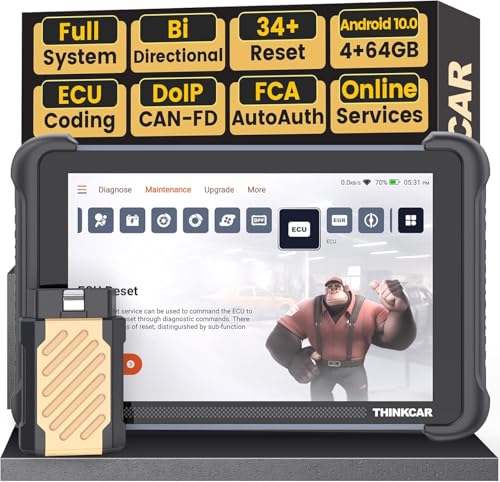
- [Notice] When you receive a used device, it may be a customer return resold by Amazon without inspection. You can exchange it for a new one through Amazon. As this situation is unavoidable, we sincerely apologize. For any issues, contacting us via Amazon's "Messages" is the best way. THINKSCAN 689BT Bidirectional Scan Tool Can Be Used Immediately After It is Turned On, Without Complicated Registration Process, Which is More Convenient & Quick.
- Full Bi-Directional Control & 3000+ Active Tests: Take control and test components like actuators, fuel injectors, relays, and cooling fans in real time. You’ll quickly see if the problem is in the part itself or the control module — saving you hours of guesswork and frustrating trial-and-error.
- Advanced ECU Coding Capabilities: Handle module matching and hidden feature activation with confidence. When you replace an ECU or want to customize settings, this obd2 scanner diagnostic bi directional tool gives you the professional-level capabilities you need without the dealership price tag.
- 34+ Useful Reset and Maintenance Functions: Complete everyday service tasks smoothly with a wide range of helpful reset and maintenance functions. Whether you’re keeping up with regular upkeep or tackling a specific job, this scanner makes maintenance simpler and less stressful for both DIYers and pros.
- Comprehensive Full System Diagnostics: Diagnose every major system — Engine, Transmission, ABS, SRS, TPMS, and more — all in one place. Finally stop wondering if you’re missing something important; get the full picture and clear codes with ease.
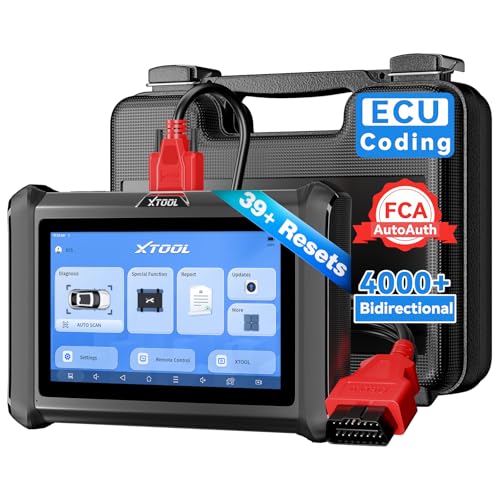
- Top Reasons to Choose the D7S OBD2 Scanner: XTOOL D7S car scan tool, an upgrade of XTOOL D7, offers comprehensive features for automotive technicians, workshops, and DIY enthusiasts 1. Upgraded Hardware: 2+64GB memory, rear camera, intuitive interface, foldable bracket 2. Complete Diagnostics: FCA
 Autoauth, OE-level all system scan, 39+ maintenance services, 4K+ bidirectional, CANFD/DoIP protocol 3. Advanced Capabilities: ECU coding, PMI functions 4. Wide Compatibility: Support 10,000+ models, covering 99% vehicle brands 5. Multi-language: Available in 22+ languages, No IP Restrictions 6. 3-Year Updates: Save 300 bucks on software updates for the latest features and optimizations
 - 2026 Upgraded D7S Car Scanner Features: The newly 2026 D7S V2.0 scanner for car brings exciting features for advanced vehicle diagnostics and enhanced user experience 1. FCA AutoAuth: Now supports FCA SGW module for Chrysler, for Jeep, for Dodge (2018+), for Fiat (2017+), enabling faster vehicle communication without gateway restrictions 2. PMI (Offline ECU Programming): Allows for Ford, for Lincoln, and for Mazda ECU programming for new modules 3. Optimized Diagnostic Report 2.0: Personalized reports with logos and customer info for auto shops. Note: Compatibility varies by cars, please check before order
- Cost-effective ECU Coding Scan Tool for Specific Brands: Enhance your vehicle's performance with XTOOL D7S! This obd2 scanner all systems bidirectional offers advanced capabilities at an affordable price, supports online for BMW, for Benz and offline for BENZ, for MIT, along with PMI functions for Ford, for Mazda, and for Lincoln. Ideal for technicians and DIY enthusiasts, this automotive scanner diagnostic tool optimizes vehicle performance and enhances the driving experience. Note: Not for all cars and modules, please send car VIN to check the compatibility before purchase
- OE All System Diagnostic & 8 Pids Graphing: XTOOL D7S is a comprehensive all system bi directional obd2 scanner that delivers dealer-level diagnostics, completely controlling over your vehicle’s performance and health. This automotive scan tool can read and clear DTCs, view live data and ECU information, retrieve freeze frames, and perform active tests and full obd2 functions. This bi-directional scan tool can can identify your vehicle's make, model, and year information with just one click and show up to 8 PIDs live data with options for CSV viewing, playback, and recording for in-depth analysis. It is easy-to-use for both professionals and beginners, helping pinpoint issues efficiently
- 3 Years Software Update, Value for Money: With 3 years of software updates and 22+ languages(no IP restrictions), XTOOL D7S auto scanner code scanner ensures ongoing compatibility for the latest car models and improved diagnostic functions. This all system vehicle diagnostic scanner comes with a 30-day return policy and a 24-month repair for dependable performance. XTOOL are dedicated to your satisfaction, so enjoy seamless support and lifetime expert assistance. Should you encounter any issues or concerns, don’t hesitate to reach out XTOOL. D7S with newest update with 22 languages freely transfer without authorization, check details from setting-language or from XTOOL
- 🔥 Historical lowest pr-ice now on sa-le--hot se-lling.
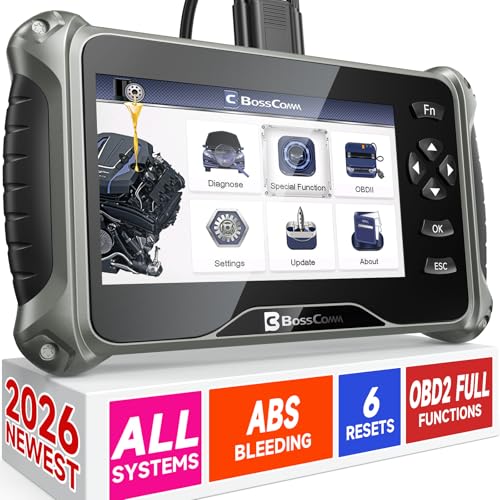
- 【🎈𝗜𝗙𝟳𝟰𝟱 𝗽𝗲𝗿𝗳𝗼𝗿𝗺𝘀 𝟲 𝗲𝘀𝘀𝗲𝗻𝘁𝗶𝗮𝗹 𝗿𝗲𝘀𝗲𝘁 𝗳𝘂𝗻𝗰𝘁𝗶𝗼𝗻𝘀—𝗔𝗕𝗦 𝗕𝗹𝗲𝗲𝗱𝗶𝗻𝗴, 𝗢𝗶𝗹 𝗥𝗲𝘀𝗲𝘁, 𝗘𝗣𝗕, 𝗦𝗔𝗦, 𝗧𝗵𝗿𝗼𝘁𝘁𝗹𝗲 𝗥𝗲𝗹𝗲𝗮𝗿𝗻, 𝗮𝗻𝗱 𝗕𝗠𝗦—𝗽𝘂𝘁𝘁𝗶𝗻𝗴 𝗽𝗿𝗼𝗳𝗲𝘀𝘀𝗶𝗼𝗻𝗮𝗹-𝗴𝗿𝗮𝗱𝗲 𝗺𝗮𝗶𝗻𝘁𝗲𝗻𝗮𝗻𝗰𝗲 𝗯𝗮𝗰𝗸 𝗶𝗻 𝘆𝗼𝘂𝗿 𝗵𝗮𝗻𝗱𝘀.】Spongy brakes? Stuck oil light? Parking brake won't release? Off-center steering? Rough idle after battery disconnect? Draining battery? IF745 handles all with a few taps. One tool covers six dealer-level resets, saving hundreds in labor costs. ❗ NOTE: Does NOT support bidirectional control, coding, or programming.
- 【✨ 𝗜𝗙𝟳𝟰𝟱 𝗴𝗼𝗲𝘀 𝗯𝗲𝘆𝗼𝗻𝗱 𝗯𝗮𝘀𝗶𝗰 𝗰𝗼𝗱𝗲 𝗿𝗲𝗮𝗱𝗶𝗻𝗴 𝘄𝗶𝘁𝗵 𝟭𝟬 𝗶𝗻𝘁𝗲𝗴𝗿𝗮𝘁𝗲𝗱 𝗳𝘂𝗻𝗰𝘁𝗶𝗼𝗻𝘀—𝗗𝗧𝗖 𝗟𝗼𝗼𝗸𝘂𝗽, 𝗜/𝗠 𝗥𝗲𝗮𝗱𝗶𝗻𝗲𝘀𝘀, 𝗙𝗿𝗲𝗲𝘇𝗲 𝗙𝗿𝗮𝗺𝗲, 𝗟𝗶𝘃𝗲 𝗗𝗮𝘁𝗮, 𝗢𝟮𝗦, 𝗢𝗕𝗠, 𝗘𝗩𝗔𝗣, 𝗮𝗻𝗱 𝗺𝗼𝗿𝗲. 】Pulling a code tells you something is wrong. IF745 tells you what the code means, when the fault happened, and what data surrounds it. Pass emissions with one I/M Readiness tap. Freeze the fault moment with Freeze Frame. Monitor live sensor data in real time. Turn cryptic codes into clear answers.
- 【🛒 𝗜𝗙𝟳𝟰𝟱 𝗽𝗲𝗿𝗳𝗼𝗿𝗺𝘀 𝗳𝘂𝗹𝗹-𝘀𝘆𝘀𝘁𝗲𝗺 𝗱𝗶𝗮𝗴𝗻𝗼𝘀𝘁𝗶𝗰𝘀 𝗮𝗰𝗿𝗼𝘀𝘀 𝗮𝗹𝗹 𝗺𝗼𝗱𝘂𝗹𝗲𝘀—𝗲𝗻𝗴𝗶𝗻𝗲, 𝗔𝗕𝗦, 𝗮𝗶𝗿𝗯𝗮𝗴, 𝘁𝗿𝗮𝗻𝘀𝗺𝗶𝘀𝘀𝗶𝗼𝗻, 𝘀𝘁𝗲𝗲𝗿𝗶𝗻𝗴, 𝘀𝘂𝘀𝗽𝗲𝗻𝘀𝗶𝗼𝗻, 𝗯𝗼𝗱𝘆 𝗲𝗹𝗲𝗰𝘁𝗿𝗼𝗻𝗶𝗰𝘀, 𝗮𝗻𝗱 𝗺𝗼𝗿𝗲. 】Warning lights on but you don't know why? Skip the $100+ diagnostic fee at the shop. Run a complete self-check from your driveway. IF745 reads and clears fault codes, retrieves ECU info, and displays live data from every accessible module—delivering a full vehicle health report in minutes, without leaving home.
- 【✅𝗜𝗙𝟳𝟰𝟱 𝗳𝗲𝗮𝘁𝘂𝗿𝗲𝘀 𝗮 𝟳-𝗶𝗻𝗰𝗵 𝗱𝗶𝘀𝗽𝗹𝗮𝘆, 𝗲𝗿𝗴𝗼𝗻𝗼𝗺𝗶𝗰 𝗱𝗲𝘀𝗶𝗴𝗻, 𝗪𝗶-𝗙𝗶 𝘂𝗽𝗱𝗮𝘁𝗲𝘀, 𝗮𝗻𝗱 𝘇𝗲𝗿𝗼 𝘀𝘂𝗯𝘀𝗰𝗿𝗶𝗽𝘁𝗶𝗼𝗻 𝗳𝗲𝗲𝘀 𝗳𝗼𝗿 𝗵𝗮𝘀𝘀𝗹𝗲-𝗳𝗿𝗲𝗲 𝗱𝗶𝗮𝗴𝗻𝗼𝘀𝘁𝗶𝗰𝘀.】Large screen means no squinting. Intuitive navigation and customizable data displays put key info at your fingertips. Wi-Fi delivers lifetime free updates without a computer. No recurring fees. No hidden costs. Just a reliable tool that works as hard as you do.
This product presentation was made with AAWP plugin.