
NHTSA ID Number: 10179360
Manufacturer Communication Number: ITS59008
TSB/Document Date: 2020-09-03
Summary
Technical Instruction describing how to replace the master service disconnect (MSD) on specific electrical systems.
If the PDF is very large, it may not load in the preview below.
Some older TSBs had multiple PDFs — visit the NHTSA Website to view all PDFs.
If the TSB PDF does not show, download or view it on the NHTSA Website.
Click on the (+) Plus Sign
Then Click on Associated Document(s)
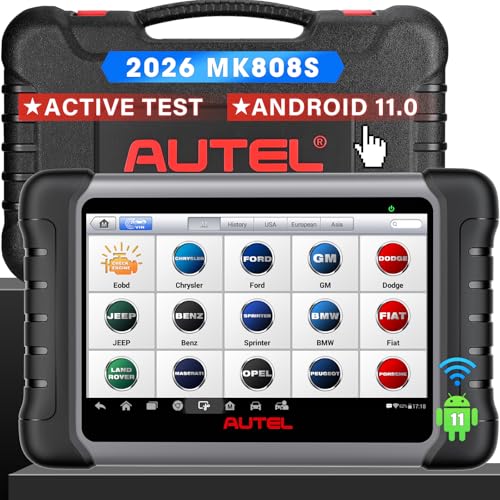
- 💝【Questions? We’re Here Anytime】MK808S is a...
- 🔥🔥🔥【2026 NEWLY RELEASED BI-DIRECTIONAL...
- 【28+ MOST POPULAR RESET SERVICE FOR 150 MAKES】Autel...
- 【ALL SYSTEM DIAGNOSTICS, FACTORY-LEVEL SCANNER】The...
- 【AUT0 SCAN & AUT0V1N, 10X FASTER】How much have you spent...

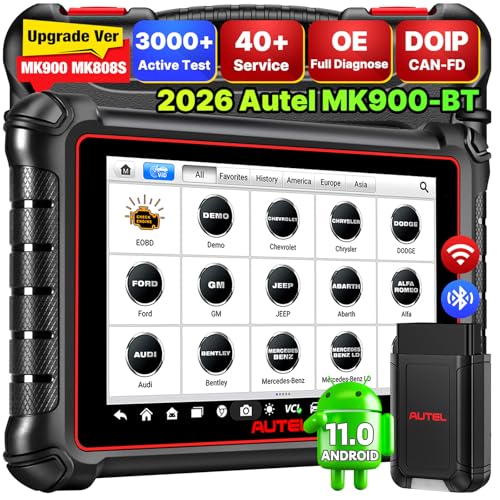
- 💯【Conta.ct us for Support Directly】If you met any...
- 🔥🔥🔥【2026 AUTEL FLAGSHIP MK900BT MK900-BT, NEW...
- 🚗【3000+ ACTIVE TESTS (50➡3000+), SAME AS MS...
- 🚗【40+ HOT SERVICES FOR 150 MAKES (28+➡40+)】Full...
- 🚗【OE ALL SYSTEM DIAGNOSE, AUTO SCAN 2.0: SCAN LICENSE...
This product presentation was made with AAWP plugin.
Search NHTSA Database for Recalls
Search NHTSA Database for Vehicle Investigations
View Latest Vehicle Investigations
Search NHTSA Database for Vehicle Complaints
View Latest Vehicle Complaints
TSB/Document ID: ITS59008
Replacement Service Bulletin Number:
MFR Communication Date: 2020-08-10
MFR Internal Campaign ID/Software Version:
Communication Type: Service Bulletin/Repair Instructions
NHTSA Components: ELECTRICAL SYSTEM
MFR Component System:
MFR Component Subsystem:
Previous TSB | Next TSB |
INSTRUCTION TO SERVICE
ITS: 59008
SECTION:
260
BATTERY COMPARTMENT
WRITTEN BY:
Curtis Matthews
SUBJECT:
MSD replacement – SR-2212, 2213, 2315, 2363
ITS59008
THIS DOCUMENT AND THE CONTENTS DISCUSSED HEREIN ARE THE CONFIDENTIAL AND
PROPRIETARY INFORMATION OF NEW FLYER INDUSTRIES CANADA ULC AND NEW FLYER OF
AMERICA INC. AND ARE DISCLOSED BY NEW FLYER IN CONFIDENCE. THIS DOCUMENT AND THE
CONTENTS HEREIN ARE NOT TO BE DISCLOSED BY THE INTENDED RECIPIENT WITHOUT THE PRIOR
WRITTEN AUTHORIZATION OF NEW FLYER. ANY UNAUTHOIZED DISCLOSURE, REPRODUCTION OR
OTHER DISTRIBUTION OF THIS DOCUMENT OR INFORMATION IS STRICTLY PROHIBITED AND MAY
RESULT IN ACTION BEING TAKEN AGAINST THE PARTY MAKING THE UNAUTHORIZED DISCLOSURE.
THIS DOCUMENT AND ALL COPIES HEREOF MUST BE RETURNED TO NEW FLYER UPON REQUEST.
Contents
INSTRUCTION TO SERVICE .................................................................................................................. 1
1.0
SAFETY PROCEDURE .................................................................................................................. 3
2.0
Rear MSD Removal Procedure ........................................................................................................ 7
3.0
Inspection Procedure – Rear ESS .................................................................................................... 9
4.0
MSD Replacement Procedure – Rear ESS .................................................................................... 12
5.0
Roof MSD Removal Procedure ..................................................................................................... 15
6.0
Inspection Procedure – Roof ESS .................................................................................................. 16
7.0
MSD Replacement Procedure – Roof ESS .................................................................................... 17
Appendix A – NFIL Spec 532295 - High Voltage Safety Guidelines & Procedures for New Flyer
Battery Bus................................................................................................................................................ 21
Appendix B – NFIL PPE Categories ........................................................................................................ 26
Appendix C – Live Work Permit .............................................................................................................. 28
Appendix D – ESS HV Inspection Sheet .................................................................................................. 30
_________________________________________________________________________________________________________________
ITS: 59008
Page 2 of 30
WARNING:
Only trained personnel shall supervise and perform High Voltage system testing,
checkout and troubleshooting. Two personnel (one called the Checker & the other
called Monitor/Recorder) shall perform Checkout Procedures, together, to ensure
safety of themselves, others nearby & for the protection of vehicle & property.
Refresher training shall be provided to these personnel on a regular basis and
when new systems are to be checked by them. The training of the personnel shall
consist of:
1.0 SAFETY PROCEDURE
1.1
Fill out and submit a Live Work Permit to the shop lead. See Appendix C for a Live Work Permit.
1.2
Turn the master run switch to the off position and wait 5 minutes before proceeding.
1.3
Turn the 12/24V battery disconnect and HV Interlock switch to the “OFF” position.
1.4
Lock and Tag the electrical system of the bus out and retain the key. See Figure 1.
1.5
Install a Lockout/Tagout Steering wheel cover as require
NOTE:
Refer to the Lockout/Tagout Procedure in section 1 of your Preventive Maintenance
Manual or section 9 of your Service manual for additional information.
NOTE:
Use commercially available lock out equipment and tags being sure to follow any local
laws or workplace procedures.
NOTE:
Refer to New Flyer High Voltage Safety Guidelines and Procedures Document 532295
(Appendix A) when completing installation or service work on high voltage power cables.
Figure 1: Lockout tagout location reference
_________________________________________________________________________________________________________________
ITS: 59008
Page 3 of 30
WARNING:
High Voltage PPE Category 2 is required. Please refer to Appendix B or the safety
section of your Preventive Maintenance Manual and Service Manual for more
information. There shall be no communication from observers with the 2 personnel
performing HV work. If required all work must stop until communication has been
completed.
1.6
Review the scope of work to be completed with the Monitor/Recorder.
1.7
Review/Rehearse the actions required in case of any possible accident scenarios.
1.8
Using an appropriate voltmeter as per appendix A, confirm that no voltage is present between
HVPOS_VEH_FB & HVNEG_VEH_FB before proceeding. See Figure 2. These connections are located
inside the HV Fuse box inside the inverter rack. See Figure 3 layout for location.
Figure 2: High voltage fuse box location reference
_________________________________________________________________________________________________________________
ITS: 59008
Page 4 of 30
1.9
Identify the location(s) of the ESS compartments that will require work. See Figure 3. (Refer to your
wiring schematic or schematics often located on the underside of the ESS enclosure lids)
ESS ABOVE CENTER
WHEELHOUSE
Figure 3: Battery pack string location reference
1.10 Ensure the bus is not charging and gain access to the roof of the bus ESS enclosures and the other
applicable ESS enclosure(s). Ensure the appropriate fall protection PPE is used and appropriate
safety procedures are followed when applicable.
1.11 Determine and organize the required tools neatly before work begins.
1.12 Before removing any MSD(s), confirm voltage is present between the positive in terminal on the
BDU and negative in terminal on the BDU. See Figure 5.
_________________________________________________________________________________________________________________
ITS: 59008
Page 5 of 30
1.13 Confirm that NO voltage is present between the positive out terminal on the BDU contactor and
negative out terminal on the BDU contactor. See Figure 4.
Figure 4: BDU and contactor location reference
_________________________________________________________________________________________________________________
ITS: 59008
Page 6 of 30
2.0 Rear MSD Removal Procedure
2.1
Gain access to the rear ESS compartment. See figure 5.
Open rear ESS
compartment
door
Figure 5: Rear of bus ESS compartment door
2.2
Loosen all rear ESS panel hardware x18, remove panel and set aside to be re-installed later. See
figure 6.
Loosen rear
ESS panel
hardware x18
Rear ESS panel
Figure 6: Rear ESS panels
_________________________________________________________________________________________________________________
ITS: 59008
Page 7 of 30
2.3
Locate and remove MSD plugs x2 in rear ESS. See figure 7.
Remove and
discard rear ESS
MSD plugs x2
Figure 7: Rear ESS MSDs
3.3
Remove rear ESS cover and set aside.
3.1.1
Unfasten and keep hardware on rear ESS cover plate mounting hardware, bolts +
washers. Keep bolts and washers. See figure 8.
3.1.2
Remove MSD closeout from rear ESS cover plate to be re-worked for new MSD
hardware positions.
Remove mounting
hardware
Remove MSD
closeout
Rear ESS
cover plate
Figure 8: Rear ESS cover plate and closeout
_________________________________________________________________________________________________________________
ITS: 59008
Page 8 of 30
3.0 Inspection Procedure – Rear ESS
Ensure you fill out the XE High Voltage Inspection Check Sheet for each bus. The ESS Inspection Sheet can be
found in appendix D as well as the attachments of FSAR 190819-115712 labeled “ITS-59020 ESS Inspection
Sheet.pdf”. Once complete, return to your local RPSM to upload into the attachments of the appropriate Reported
Incident that can be found linked to FSAR 190819-115712.
3.1
Remove the remaining covers highlighted below in figure 9. Replace at the end of section 3
torquing cover mounting hardware to 5 ft-lbs WET with Loctite PN: 081034.
Figure 9: Rear ESS With Outer Covers Removed
3.2
Inspect the two low voltage connections at the bottom of the BDU assemblies for securement and
make note on the inspection sheet. Remove the two low voltage connections at the bottom of both
BDU’s.
3.3
Remove the two BDU assemblies while saving the existing hardware to re-use. 4 bolts are used to
secure the BDU to the ESS and 4 nuts are used to secure the bus bars as seen below in figure 10.
3.3.1
Remove the 4 nuts securing the bus bars to the BDU as seen on the bottom of the left view
in Figure 10. ( 97 ±8 in-lbs for re-installment).
3.3.2
Remove the 2 bolts at the back side of the BDU assembly that mounts the BDU to the ESS.
These two bolts can be seen in the single circle on the right view of Figure 11. Certain
_________________________________________________________________________________________________________________
ITS: 59008
Page 9 of 30
surrounding cable securements may need to be removed in order to gain access to these
bolts. (torque to 50 in-lbs DRY for re-installment).
3.3.3
Remove the 2 bolts at the top of the BDU assembly. Replace at the end of section 3,
torquing mounting hardware to 10 ft-lbs WET with Loctite PN: 081034.
Figure 10: Rear BDU Assemblies
Figure 11: BDU mounting hardware
_________________________________________________________________________________________________________________
ITS: 59008
Page 10 of 30
3.4
Verify all busbar to battery connections highlighted in figure 12 below are torqued to 80 INCH-LBS.
Figure 12: Rear ESS Enclosure Battery Busbar’s
3.5
Re-install the BDU assemblies using the existing hardware. Ensure both J1 and J2 to BDU
connections circled in Figure 13 below are seated properly.
Figure 13: Rear ESS J1-BDU Connector Location
_________________________________________________________________________________________________________________
ITS: 59008
Page 11 of 30
4.0 MSD Replacement Procedure – Rear ESS
4.1
Unfasten and discard MSD receptacle mounting hardware x8. See figure 14.
MSD
receptacles x2
Remove and
discard MSD
receptacles
mounting hardware
x8
Figure 14: Rear ESS MSD Receptacles and bracket
4.2
Unfasten nuts from MSD receptacle studs x4 and keep hardware. Remove and discard MSD
receptacles x2. See figure 15.
Unfasten and keep
MSD stud mounting
hardware x4
Figure 15: Rear ESS MSD Receptacle underside
_________________________________________________________________________________________________________________
ITS: 59008
Page 12 of 30
3.4
Drill holes into MSD closeout and assemble new MSDs and bracket onto MSD closout.
3.4.1
Assure MSD closeout is removed from rear ESS compartment. Using bracket PN:
(853975) as a template, drill 6 holes as shown in figure 16.
3.4.1
Re-install MSD closeout onto rear ESS cover plate, and re-install rear ESS cover plate
using original hardware removed in step 3.1.1.
3.4.2
Discard 2 socket terminals and connector that come with each MSD receptacle PN:
(806450) and plug PN: (805480).
3.4.3
Using bolts PN: (822309) x8, washers PN: (260173) x8, nuts PN: (75NM06000) x8 and
spacer PN: (854046) x2, assemble MSD receptacles PN: (806450) x2 and plugs PN:
(805480) x2 onto bracket PN: (853975). Torque all MSD mounting hardware bolts x8 to
14 ft-lbs (DRY). See figure 17.
3.4.4
Feed HV cables through MSD closeout and fasten to new MSD receptacle PN: (806450)
x2 studs with nuts x4 kept from step 3.2, torque nuts to 80 in-lbs (DRY). See figure 17.
3.4.5
Install new MSD assembly onto MSD closeout using rivets PN: (60R03007) x6. See
figure 18.
Bracket
PN: 853975
MSD closeout
Drill 0.194-0.201 HOLE
THRU x6, install 6 rivets
MSD receptacles PN: 806450
and plugs PN: 805480 x2
Figure 16: Rear ESS MSD closeout bench assembly
_________________________________________________________________________________________________________________
ITS: 59008
Page 13 of 30
MSD receptacle PN: 806450
and plug PN: 805480 x2
MSD closeout
EP81HV5 POS
Fasten bracket
mounting hardware
x8 to 14 ft-lbs DRY
EP81HV10 NEG
EP82HV10 NEG
EP82HV5 POS
MSD spacer PN:
854046 x2
Figure 17: Backside of new MSDs mounted to MSD closeout
Rivets PN:
60R03007 x6
MSD assembly
MSD closeout
Figure 18: Rear ESS MSD final assembly
_________________________________________________________________________________________________________________
ITS: 59008
Page 14 of 30
5.0 Roof MSD Removal Procedure
5.1
Locate the front and rear rooftop ESS and open ESS battery panel. See figure 19.
Open ESS
battery panel
Figure 19: Front rooftop ESS
5.2
Locate, remove and discard the MSD plugs. See figure 20.
5.2.1
X2 in front rooftop ESS.
5.2.2
X2 in middle rooftop ESS.
5.2.3
X1 in rear rooftop ESS
Remove and
discard MSD plugs
Figure 20: Rooftop ESS MSD location
_________________________________________________________________________________________________________________
ITS: 59008
Page 15 of 30
6.0 Inspection Procedure – Roof ESS
6.1
Verify all battery to busbar connections are torqued to 80 INCH-LBS.
Figure 19: Roof ESS Enclosure
NOTE: ESS layout will vary depending on location.
6.2
Ensure the J1 to BDU connections are seated properly. Refer to Figure 20 for J1-BDU connector
location examples.
Figure 20: Roof ESS J1 Connector Location Example
NOTE: ESS layout will vary depending on location.
6.3
Repeat steps 6.1 to 6.2 for all roof ESS enclosures.
_________________________________________________________________________________________________________________
ITS: 59008
Page 16 of 30
7.0 MSD Replacement Procedure – Roof ESS
3.5 Locate rooftop MSDs in figure 21.
Front and mid rooftop
ESS MSDs x4
Rear rooftop ESS MSD x1
Figure 21: Rooftop ESS locations
3.6 Remove and discard rooftop MSD receptacles and brackets x5. See figure 22.
3.6.1
Unfasten bracket mounting hardware from rooftop ESS frame x2 bolts + washers + nuts.
Keep bolts, washers, and nuts.
3.6.2
Unfasten nuts from MSD receptacle studs x2 and keep hardware. Remove and discard
MSD receptacle and bracket.
3.6.3
Unfasten and discard MSD receptacle mounting hardware x4.
Remove and
discard bracket
Remove and
discard MSD
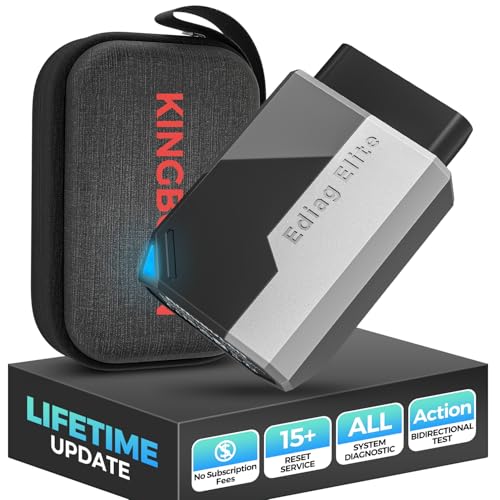
- OBD2 Bluetooth Scanner Lifetime Update: Ediag Elite offers revolutionary Advantage Lifetime Updates with unlimited access to the superior 15+ reset service, bidirectional testing and full system diagnostics.The Ediag Elite is an excellent Bluetooth OBD2 scanner diagnostic tool ideal for DIY's and private car owners.
- Bidirectional Test for Quickly Locating Problems: The Bidirectional Scan tool allows you to send commands directly from your smartphone to your vehicle for active testing. This feature helps to quickly narrow down problems such as air conditioning clutches, windows, doors, sunroofs, etc., reducing diagnostic time for mechanics and helping DIY users locate faults more easily. In addition, Ediag Elite provides fault analysis and repair guidance to help you solve problems efficiently.
- 15+ Maintenance Resets: The current version introduces 15+ popular special features: Oil Reset, Headlight Matching, Bleeding Reset, TPMS Reset, BMS Reset, Gear Box Relearn, Throttle Learning, Injector Coding, SAS Reset and more special functions in system diagnose menu. These functions make it easy for owners to carry out the necessary maintenance and servicing, ensuring that your vehicle stays in top condition, prolonging its service life and preventing common problems and breakdowns. Note: The Special function vary by model& year, Reach us check compatibility.
- Wide Compatibility CANFD & FCA
 Autoauth: Compatible with GM, Ford, Toyota, Chrysler, Honda, Mazda, Nissan, Mitsubishi, Hyundai, KIA with standard OBD2 port from 1996 to newer. More car brands and features will be released gradually. Newest Ediag Elite scanner supports CANFD Protocol and FCA cars. Note: Coverage may vary on different vehicle by model& year ,Please contact us to confirm compatibility before purchase.
 - Perfect for Monitoring The Health of Your Vehicle: Ediag Elite is designed to make vehicle maintenance simple and efficient. With intelligent Auto VIN quick recognition, it is easy to connect to your car without the need for manual input. Real-time data is visualized in a variety of formats, including graphs, numeric, meter displays and clear 4-in-1 data charts, allowing you to effortlessly monitor real-time data. Data logging/reporting is available for playback and further analysis

- No Annual Fees & 2026 Upgraded CAN FD: Why pay $199/year or more for updates? The 2026 newest Kingbolen K7 obd2 scanner features have been upgraded to Lifetime Updates without subscription fees, saving you significant costs in the long run. K7 scan tool also adds the CAN FD protocol for the latest GM models (2019+), enabling faster data transfer, reducing the risk of undetected errors
- 2026 Newest Top-tier Car Scanner: Kingbolen K7 diagnostic scan tool is equipped with most capabilities for daily repair/maintenance: Wireless diagnosis via Bluetooth, Bidirectional Test, ECU Online/Offline Code, 31+ Resets, PMI for Ford, Lincoln, Mazda, Global version for 100+ brand vehicles and 17 languages, no area limit, FCA AutoAuth
- OE-Level Full Systems Scan Tool: K7 professional diagnostic scanner with Auto Vin can do one-click to scan ECUs on most of vehicles, like pcm, ecm, eps, bcm, tpms, sas, a/c system... to read/clear code, view live data, freeze frame, read ecu info. 4-in-1 data stream graphics can make data viewing more intuitive. Detailed diagnostic reports will help you easily master the car situation as it can be shared by bluetooth or email! Adding workshop information can help your customers to know more
- Bidirectional Test/Active Test & ECU Code: Stop guessing and start fixing. Bidirectional scan tool Kingbolen K7 can perform real active test that can send commands to the vehicle's ECU to drive the actuators to work, like window, rear mirrors, sunroof, door, solenoids, wipers, headlamp, etc, helping you quickly find out bad parts and pinpoint faulty issues. K7 bidirectional scanner will be a good choice to save money and time on car repairs when performing complex maintenance and repair
- 31 Reset Functions: Avoid expensive dealership visits for simple services. Experience tells us that just a small repair service may cost a lot of money. Kingbolen K7 is a professional diagnostic scanner with 31 common maintenance services like Oil /SAS/EPB/TPMS Reset, Battery Matching, ABS Bleeding, Injector Code, etc. It effectively handles most of the car reset and relearning jobs, perfect for experienced DIYers and mechanics. Note: Functions in the menu vary across vehicles. Kindly check the compatibility before purchase
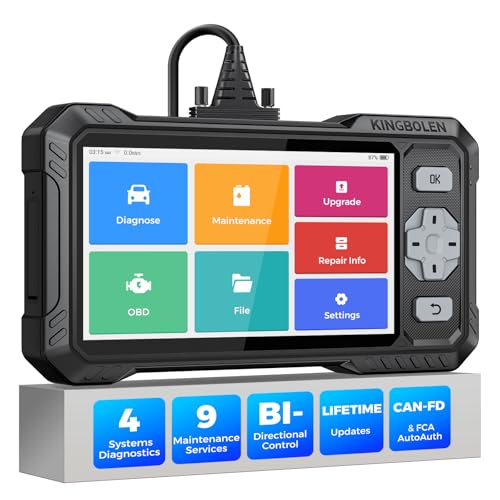
- WHY S608 STANDS OUT:2026 Kingbolen S608 is the only scanner <200 bucks that offers powerful active tests on Engine, ABS, SRS, and Transmission systems. Offers 9 resets,Covers 110+ global brands with a 6.2'' larger touchscreen
- KINGBOLEN'S NEW BIDIRECTIONAL SCAN TOOL: As the 2026 upgraded version of S600, our Newest S608 obd2 scanner has the powerful Bi-directional Control on Engine, ABS, SRS, and Transmission systems. It can send commands to the ECUs of actuators for functional tests and work status checks, such as ABS, fuel injectors, adjusting throttle, coolant pumps, EVAP test, fuel trim reset, etc. No more Guesswork. Quickly identify problem components without teardown, get fuss-free results in seconds.
- 【9 HOT RESET SERVICES CAR SCANNER】Tired of costly mechanic trips for common resets? The Kingbolen S608 obd2 scanner lets you do it yourself, even for beginners—quickly and effortlessly! It offers 9 hot reset functions: Oil/EPB Reset, ABS Bleeding, SAS Calibration, DPF Regeneration, Injector Coding, BMS Matching, Throttle Adaptation, Gear Learning. Stop paying mechanics for 5-minute jobs. Save hundreds per year! 🚗*Function vary from vehicle models. reach us to check compatibility firstly!
- 【4 SYSTEM DIAGNOSTIC TOOL + FULL OBDII FUNCTIONS】Kingbolen S608 is an OBDII scanner and 4 systems diagnostic tool made for home mechanics, DIYers, and professionals. You can access Engine, ABS, SRS, Transmission fault codes, track live data in graphs, and onboard DTC library lookup to find the right troubleshooting procedure, and diagnose with full 10 OBD2 test modes to fix most of emission issues. Give your aging cars routine maintenance to avoid costly repairs, a breakdown, or even a crash.
- 【NEW CAN FD, FCA/RENAULT SGW, 140+ BRANDS】Kingbolen S608 scanner for car supports 140+ vehicle brands, 100,000+ models, 28 languages and can be used worldwide. S608 stays up-to-date with modern vehicles, allows secure access to 2017+ FCA cars and 2015+ Renault cars (📢*Need to purchase an AutoAuth/Renault account by yourself), and supports the latest CAN-FD protocol for 2019+ GM/Chrysler, enabling 2X faster data transfer and more precise diagnostics. 🚗*Check compatibility before purchase.
This product presentation was made with AAWP plugin.
Last update on 2026-05-12 / Affiliate links / Images from Amazon Product Advertising API