
NHTSA ID Number: 10172245
Manufacturer Communication Number: TT459
TSB/Document Date: 2020-03-07
Summary
TECHNICAL TIP BULLETIN TT459: TIRE PRESSURE MONITORING SYSTEM (TPMS). Revision. PURPOSE: To inform dealers of the use and operations of vehicles equipped with TPMS (Tire Pressure Monitoring System). This system offers convenient monitoring of air pressure within each tire, and alerts the rider if tire pressures fall below specification. Both dealers and customers have raised questions regarding TPMS and how the system works. The intention of this bulletin is to answer some questions, and improve the general knowledge of: Functioning tire pressure sensors & Installation practices. All testing of the TPMS is done by using the TPMS diagnostics and diagnostic tips in the service manual or its supplement of that year and model vehicle or using DIGITAL TECHNICIAN II (PART NUMBER: HD-48650).
TT459: TIRE PRESSURE MONITORING SYSTEM
(TPMS)
2020-02-03
Electrical
APPLIES TO
SYMPTOMS
Tire Pressure Monitoring System (TPMS)
• Literature Updates or Corrections
Reason for Revision
Refer to Table 1.
Table 1. Document History
Date
2020-02-03
2018-06-12
2017-02-22
Revision Description
Update for models and new procedures
Updated Purpose for Technical Tip, Air Temperature Impact on Tire
*
Pressure : Table 4, Tire Remove and Install
* Added Guide, TPMS Remove and Install
Title change
* Updated Title
Initial release
Guide
Table 2. Technical Tip Guide
Purpose for Technical Tip
Vehicle Affected
Markets Affected
System Overview
Tire Pressure Sensor Mode Information
Sensor Communication
Air Temperature Impact on Tire Pressure
TPMS Diagnosis Help
Tire Remove and Install
TPMS Remove and Install
Purpose for Technical Tip
To inform dealers of the use and operations of vehicles equipped with TPMS (Tire Pressure
Monitoring System). This system offers convenient monitoring of air pressure within each tire,
and alerts the rider if tire pressures fall below specification.
Both dealers and customers have raised questions regarding TPMS and how the system works.
The intention of this bulletin is to answer some questions, and improve the general knowledge
of:
• Functioning tire pressure sensors
• Installation practices
All testing of the TPMS is done by using the TPMS diagnostics and diagnostic tips in the service
manual or its supplement of that year and model vehicle or using DIGITAL TECHNICIAN II (PART
NUMBER: HD-48650).
1/8
Vehicle Affected
Refer to Table 3.
Table 3. Vehicles With TPMS
Years
2016-2019
2020
Models
CVO Touring
Touring, CVO Touring, Touring Police, CVO
(1)
Trike
(1) All vehicles except Trike equipped with RDRS (Reflex™ Defensive Rider Systems) .
Markets Affected
All markets are affected.
System Overview
Tire Pressure Sensor: Monitors tire pressure and sends data to RF antenna at predetermined
intervals based on sensor mode.
RF antenna: The antenna is wired into the main wiring harness. The RF antenna acts as the
antenna for both the security fob and tire pressure sensors. The signal from the tire pressure
sensors is provided to the BCM (Body Control Module).
BCM: Processes the signal from tire pressure sensor. Then communicates that data to the
infotainment system, odometer display and fault lamps through the CAN (Controller Area Network)
system.
Infotainment system display/Odometer: The infotainment system and odometer are used to
display tire pressure, warn of low pressure, sensor failure and sensor battery life concerns.
Tire Pressure Sensor Mode Information
Test Mode: This mode is used for new sensors before installation to help conserve battery life.
No transmission of data occurs in Test Mode. Test Mode is only seen when a new replacement
sensor is installed. After sensor installation and tire pressure is applied, approximately 103.4 kPa
(15 psi) for four minutes, the sensor will automatically enter Park Mode. The sensor cannot change
back into the Test Mode.
Park Mode: The sensor is in Park Mode when the vehicle is at rest. Normal data collection is
less frequent, and normal data transmissions occur at approximately 4-hour intervals. Park Mode
is entered from Drive Mode when a vehicle is at rest for seven minutes or more.
Drive Mode: The sensor enters drive mode when the vehicle is ridden. In drive mode, normal
data collection is accelerated and normal data transmissions occurs at approximately 64-second
intervals. Drive Mode is entered from Park Mode automatically when the sensor detects vehicle
movement of approximately 40.2 km/h (25 mph) for about 20 seconds.
Sensor Communication
The TPMS ACTIVATION TOOL (PART NUMBER: HD-51794) is used to force the sensor to
transmit data immediately. It does NOT force the sensor to change mode. Additionally this tool
is used with DIGITAL TECHNICIAN II (PART NUMBER: HD-48650) to pair a new sensor with
the proper wheel location.
2/8
When pressure changes inside the tire by approximately 20.7 kPa (3 psi), the sensor transmits
the updated information to maintain current pressure data and possible alerts. Pressure changes
of less than 20.7 kPa (3 psi) does not register immediately, but does once the next transmission
is sent.
All sensor transmissions require the vehicle to have the vehicle battery connected and main fuse
installed. When the sensor sends data and vehicle battery is not within specs (below 9.6 V), the
BCM cannot receive it.
The tire pressure sensor accurately reads tire pressure to approximately 358.5 kPa (52 psi)
(depending on altitude). Any pressure above 358.5 kPa (52 psi), the sensor cannot track and the
radio or odometer display does not display accurate readings. Do not replace if the sensor is
exhibiting this behavior, it is a normal condition.
The BCM uses programmed thresholds to turn on a low-pressure alert. These thresholds are
different between front and rear tires. The pressure threshold to turn on an alert is different than
the pressure to turn it off.
Air Temperature Impact on Tire Pressure
“Cold” tire pressure is defined as the tire pressure at 20 °C (68 °F) outside air temperature, and
the vehicle has not been ridden for 3-4 hours. Tire pressure changes as the outside temperature
changes. The rule is to add 6.9 kPa (1 psi) for each 5.6 °C or 10 °F increase in outside air
temperature. Temperatures at or below 20 °C (68 °F) the tire pressure is maintained at the cold
pressure shown in the owner’s manual.
The air inside the tire heats up as the vehicle is ridden, pressure increases while riding and
decreases again upon being parked.
See Table 4 and Table 5. Example- Tire pressure chart in the owner’s manual states the rear
tire pressure is 275.8 kPa (40 psi) cold, and the vehicle has not been ridden for several hours.
With a current outside temperature of 36.7 °C (98 °F), adjust the “cold” tire pressure to 296.5 kPa
(43 psi). The formula would be 275.8 kPa (40 psi) per the chart plus 20.7 kPa (3 psi) per the
graph.
Table 4 can be used to reference how to adjust tire pressure when tires or temperatures are
warm or hot.
3/8
Table 4. Specified Tires
MOUNT
SIZE
APPROVED TIRE
PRESSURE
(COLD 20 °C (68 °F))
17 in
18 in
Dunlop D408F 130/80B17 M/C 65H
Dunlop D408F 130/70B18 63H BW
Front
Dunlop D408F 130/60B19 61H BW
248 kPa (36 psi)
19 in
Dunlop D408F 130/60B19 61H
21 in
Dunlop D408F 130/60B21 M/C 63H
Dunlop D407T 180/65B16 M/C 81H
16 in
Dunlop D407T 180/65B16 81H BW
276 kPa (40 psi)
Rear
Dunlop D407T 180/55B18 80H BW
18 in
Dunlop D407 180/55B18 M/C80H
Dunlop TK100 P215/45 R18 83T
179 kPa (26 psi)
• Tire pressures vary with changes in ambient and tire temperature. Check pressure with tires
cold (20 °C (68 °F)). Increase tire pressure by 6.9 kPa (1 psi) for every 5.6 °C or 10 °F in ambient air temperature above this point.
• Do not use the TPMS as a pressure gauge when adding or removing air from a tire. Sensor
data is sent to the TPMS at varying intervals which does not refresh immediately when adding
or removing air from the tire. Over-inflation or under-inflation can result.
• The TPMS sensor will not communicate pressures above 345–414 kPa (50.0–60.0 psi) depending on altitude.
• Air is used to calibrate the TPMS. Use of 100% nitrogen does affect the accuracy of the system.
• Do not rotate TPMS assemblies from their properly installed position. Can affect the valve
stem seal and result in a leak.
• Verify TPMS assemblies are properly seated in the rims (pocket, receiver, integrated feature).
• Do not use liquid tire balancers or sealing agents in wheels with a TPMS sensor. Damage to
the sensor can result.
4/8
Table 5. Tire Pressure Adjustment
Tire pressure
adjustment
above published cold
pressure (PSI)
3
2
1
1
2
3
Air Temperature °F
Vehicle cold (not ridden for three or more hours)
Vehicle warm (ridden within 1-2 hours)
Vehicle hot (ridden over one hour recently)
TPMS Diagnosis Help
Testing has been done on returned warranty sensors. Some of these sensors were determined
to be “No Trouble Found” (NTF). Based on the warranty claim notes, it would seem that many
tires are not being properly inflated after delivery. With the information in this bulletin, technicians
are now better able to diagnose and resolve tire pressure-related concerns without needless
replacement of sensors.
General tips
• Use the TPMS activation tool to force a data update once the pressure has been properly
adjusted.
• If a low-pressure lamp is illuminated, adding 34.5 kPa (5 psi) to that tire forces a data
transmission to update the displayed pressure. The low-pressure lamp shuts off when adequate
pressure is achieved.
• Watch temperature influence on tire pressure, and consider that when determining the target
pressure.
• Tire pressure gauges are often inaccurate. Verify gauge accuracy before assuming that the
TPMS system is malfunctioning.
• Clear all DTC (Diagnostic Trouble Code) after adjusting tire pressure.
5/8
• TPMS sensor does not read pressures above the operating range of (358.5 kPa (52 psi). The
sensor is not defective, do not replace sensor. Use correct tire pressure.
Tire Remove and Install
The service manual or supplement contains information related to proper tire removal and
installation procedures for TPMS wheels. It is important to follow these procedures or sensor
damage can occur.
Remove
NOTE
• Wheels equipped with tire pressure sensors require special tire mounting and dismounting
procedures. Sensor damage occurs if procedures are not followed.
• Never allow tire machine spoon, tire iron or tire bead to contact sensor. Sensor damage can
occur.
1. Break the bead of the tire, careful not to damage tire pressure sensor.
2. See Figure 1. Engage tire machine spoon (1) 30° (4) from the valve stem (2) in the direction
of tire machine rotation (3).
3. While rotating wheel away from the valve stem, remove the first bead.
4. Repeat with remaining bead. Remove tire
Install
1. Install tire on wheel. Start the first bead opposite from the valve stem.
2. Install first bead.
3. Engage the second bead 30° from the valve stem in the direction of machine rotation.
4. While rotating away from the valve stem, install the second bead.
5. Inflate to the correct pressure.
6/8
sm08492
1
2
3
4
1.
2.
3.
4.
Tire machine spoon
Valve stem
Tire machine rotation
30°
Figure 1. Tire Machine Operation
TPMS Remove and Install
The service manual or supplement contains information related to proper sensor removal an
installation procedures for TPMS wheels. It is important to follow these procedures or sensor
damage can occur.
See Figure 2. Verify that the TPMS sensor (1) is fully seated in the valve stem bore. Check
position of sensor by attempting to insert a 1.25 mm (0.05 in) feeler gauge between the sensor
body and the machined slot in the wheel. If the sensor is fully seated, insertion of the shim should
be prevented.
7/8
1432751
2
1
3
4
5
1.
2.
3.
4.
5.
Tire pressure sensor
Screw
O-ring
Orientation slot
Valve stem
Figure 2. Tire TPMS Valve
8/8
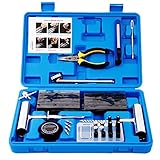
- [🔨PROFESSIONAL QUALITY ] - AUTOWN Tire Repair Kits are...
- [🔨DURABLE & SAFE ] - The tire puncture repair set own...
- [🔨MULTIPLE USES ] - The AUTOWN 68 pcs tire repair heavy...
- [🔨EASY TO USE ] - Our tire plug kits have everything you...
- [🔨QUICK ACTION] - We care about every customer's sense of...
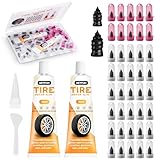
- 【Perfect Emergency Repair Solution】This kit includes...
- 【Premium Materials for Safe Repairs】Our tire screw plugs...
- 【2 Sizes for Every Puncture】Choose the right size for...
- 【5-Minute DIY Repair】Skip the auto shop and fix flats...
- 【Emergency-Ready Design】Compact & ready for...
If the PDF is very large, it may not load in the preview below.
Some older TSBs had multiple PDFs — visit the NHTSA Website to view all PDFs.
If the TSB PDF does not show, download or view it on the NHTSA Website.
Click on the (+) Plus Sign
Then Click on Associated Document(s)
Search NHTSA Database for Recalls
Search NHTSA Database for Vehicle Investigations
View Latest Vehicle Investigations
Search NHTSA Database for Vehicle Complaints
View Latest Vehicle Complaints
TSB/Document ID: TT459
Replacement Service Bulletin Number:
MFR Communication Date: 2020-02-03
MFR Internal Campaign ID/Software Version:
Communication Type: Service Bulletin/Repair Instructions
NHTSA Components: TIRES:PRESSURE MONITORING AND REGULATING SYSTEMS
MFR Component System:
MFR Component Subsystem:
Previous TSB | Next TSB |
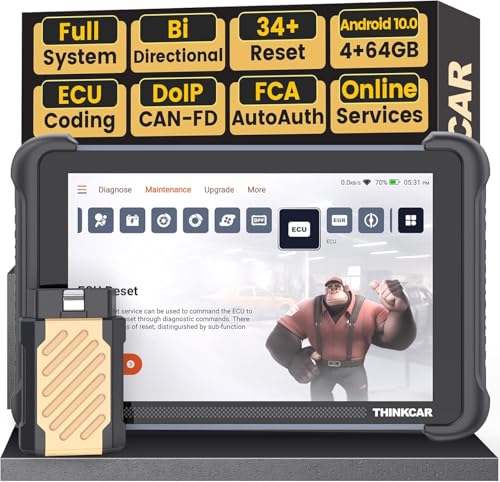
- [Notice] When you receive a used device, it may be a customer return resold by Amazon without inspection. You can exchange it for a new one through Amazon. As this situation is unavoidable, we sincerely apologize. For any issues, contacting us via Amazon's "Messages" is the best way. THINKSCAN 689BT Bidirectional Scan Tool Can Be Used Immediately After It is Turned On, Without Complicated Registration Process, Which is More Convenient & Quick.
- Full Bi-Directional Control & 3000+ Active Tests: Take control and test components like actuators, fuel injectors, relays, and cooling fans in real time. You’ll quickly see if the problem is in the part itself or the control module — saving you hours of guesswork and frustrating trial-and-error.
- Advanced ECU Coding Capabilities: Handle module matching and hidden feature activation with confidence. When you replace an ECU or want to customize settings, this obd2 scanner diagnostic bi directional tool gives you the professional-level capabilities you need without the dealership price tag.
- 34+ Useful Reset and Maintenance Functions: Complete everyday service tasks smoothly with a wide range of helpful reset and maintenance functions. Whether you’re keeping up with regular upkeep or tackling a specific job, this scanner makes maintenance simpler and less stressful for both DIYers and pros.
- Comprehensive Full System Diagnostics: Diagnose every major system — Engine, Transmission, ABS, SRS, TPMS, and more — all in one place. Finally stop wondering if you’re missing something important; get the full picture and clear codes with ease.
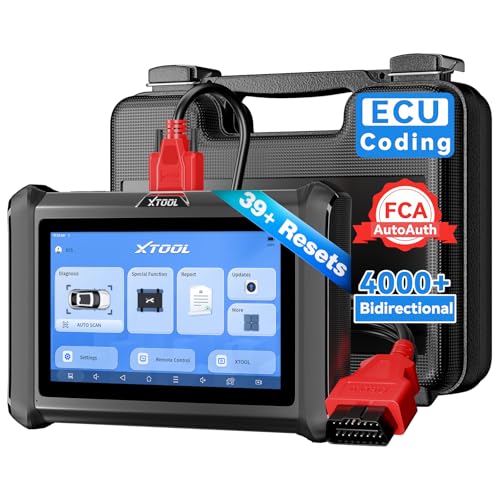
- Top Reasons to Choose the D7S OBD2 Scanner: XTOOL D7S car scan tool, an upgrade of XTOOL D7, offers comprehensive features for automotive technicians, workshops, and DIY enthusiasts 1. Upgraded Hardware: 2+64GB memory, rear camera, intuitive interface, foldable bracket 2. Complete Diagnostics: FCA
 Autoauth, OE-level all system scan, 39+ maintenance services, 4K+ bidirectional, CANFD/DoIP protocol 3. Advanced Capabilities: ECU coding, PMI functions 4. Wide Compatibility: Support 10,000+ models, covering 99% vehicle brands 5. Multi-language: Available in 22+ languages, No IP Restrictions 6. 3-Year Updates: Save 300 bucks on software updates for the latest features and optimizations
 - 2026 Upgraded D7S Car Scanner Features: The newly 2026 D7S V2.0 scanner for car brings exciting features for advanced vehicle diagnostics and enhanced user experience 1. FCA AutoAuth: Now supports FCA SGW module for Chrysler, for Jeep, for Dodge (2018+), for Fiat (2017+), enabling faster vehicle communication without gateway restrictions 2. PMI (Offline ECU Programming): Allows for Ford, for Lincoln, and for Mazda ECU programming for new modules 3. Optimized Diagnostic Report 2.0: Personalized reports with logos and customer info for auto shops. Note: Compatibility varies by cars, please check before order
- Cost-effective ECU Coding Scan Tool for Specific Brands: Enhance your vehicle's performance with XTOOL D7S! This obd2 scanner all systems bidirectional offers advanced capabilities at an affordable price, supports online for BMW, for Benz and offline for BENZ, for MIT, along with PMI functions for Ford, for Mazda, and for Lincoln. Ideal for technicians and DIY enthusiasts, this automotive scanner diagnostic tool optimizes vehicle performance and enhances the driving experience. Note: Not for all cars and modules, please send car VIN to check the compatibility before purchase
- OE All System Diagnostic & 8 Pids Graphing: XTOOL D7S is a comprehensive all system bi directional obd2 scanner that delivers dealer-level diagnostics, completely controlling over your vehicle’s performance and health. This automotive scan tool can read and clear DTCs, view live data and ECU information, retrieve freeze frames, and perform active tests and full obd2 functions. This bi-directional scan tool can can identify your vehicle's make, model, and year information with just one click and show up to 8 PIDs live data with options for CSV viewing, playback, and recording for in-depth analysis. It is easy-to-use for both professionals and beginners, helping pinpoint issues efficiently
- 3 Years Software Update, Value for Money: With 3 years of software updates and 22+ languages(no IP restrictions), XTOOL D7S auto scanner code scanner ensures ongoing compatibility for the latest car models and improved diagnostic functions. This all system vehicle diagnostic scanner comes with a 30-day return policy and a 24-month repair for dependable performance. XTOOL are dedicated to your satisfaction, so enjoy seamless support and lifetime expert assistance. Should you encounter any issues or concerns, don’t hesitate to reach out XTOOL. D7S with newest update with 22 languages freely transfer without authorization, check details from setting-language or from XTOOL
 Autoauth, OE-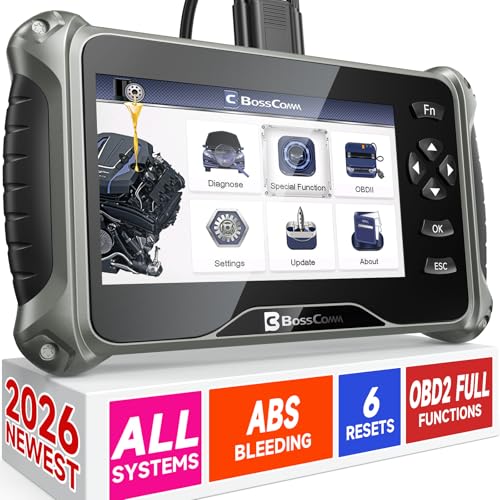
- 🔥 Historical lowest pr-ice now on sa-le--hot se-lling.
- 【🎈𝗜𝗙𝟳𝟰𝟱 𝗽𝗲𝗿𝗳𝗼𝗿𝗺𝘀 𝟲 𝗲𝘀𝘀𝗲𝗻𝘁𝗶𝗮𝗹 𝗿𝗲𝘀𝗲𝘁 𝗳𝘂𝗻𝗰𝘁𝗶𝗼𝗻𝘀—𝗔𝗕𝗦 𝗕𝗹𝗲𝗲𝗱𝗶𝗻𝗴, 𝗢𝗶𝗹 𝗥𝗲𝘀𝗲𝘁, 𝗘𝗣𝗕, 𝗦𝗔𝗦, 𝗧𝗵𝗿𝗼𝘁𝘁𝗹𝗲 𝗥𝗲𝗹𝗲𝗮𝗿𝗻, 𝗮𝗻𝗱 𝗕𝗠𝗦—𝗽𝘂𝘁𝘁𝗶𝗻𝗴 𝗽𝗿𝗼𝗳𝗲𝘀𝘀𝗶𝗼𝗻𝗮𝗹-𝗴𝗿𝗮𝗱𝗲 𝗺𝗮𝗶𝗻𝘁𝗲𝗻𝗮𝗻𝗰𝗲 𝗯𝗮𝗰𝗸 𝗶𝗻 𝘆𝗼𝘂𝗿 𝗵𝗮𝗻𝗱𝘀.】Spongy brakes? Stuck oil light? Parking brake won't release? Off-center steering? Rough idle after battery disconnect? Draining battery? IF745 handles all with a few taps. One tool covers six dealer-level resets, saving hundreds in labor costs. ❗ NOTE: Does NOT support bidirectional control, coding, or programming.
- 【✨ 𝗜𝗙𝟳𝟰𝟱 𝗴𝗼𝗲𝘀 𝗯𝗲𝘆𝗼𝗻𝗱 𝗯𝗮𝘀𝗶𝗰 𝗰𝗼𝗱𝗲 𝗿𝗲𝗮𝗱𝗶𝗻𝗴 𝘄𝗶𝘁𝗵 𝟭𝟬 𝗶𝗻𝘁𝗲𝗴𝗿𝗮𝘁𝗲𝗱 𝗳𝘂𝗻𝗰𝘁𝗶𝗼𝗻𝘀—𝗗𝗧𝗖 𝗟𝗼𝗼𝗸𝘂𝗽, 𝗜/𝗠 𝗥𝗲𝗮𝗱𝗶𝗻𝗲𝘀𝘀, 𝗙𝗿𝗲𝗲𝘇𝗲 𝗙𝗿𝗮𝗺𝗲, 𝗟𝗶𝘃𝗲 𝗗𝗮𝘁𝗮, 𝗢𝟮𝗦, 𝗢𝗕𝗠, 𝗘𝗩𝗔𝗣, 𝗮𝗻𝗱 𝗺𝗼𝗿𝗲. 】Pulling a code tells you something is wrong. IF745 tells you what the code means, when the fault happened, and what data surrounds it. Pass emissions with one I/M Readiness tap. Freeze the fault moment with Freeze Frame. Monitor live sensor data in real time. Turn cryptic codes into clear answers.
- 【🛒 𝗜𝗙𝟳𝟰𝟱 𝗽𝗲𝗿𝗳𝗼𝗿𝗺𝘀 𝗳𝘂𝗹𝗹-𝘀𝘆𝘀𝘁𝗲𝗺 𝗱𝗶𝗮𝗴𝗻𝗼𝘀𝘁𝗶𝗰𝘀 𝗮𝗰𝗿𝗼𝘀𝘀 𝗮𝗹𝗹 𝗺𝗼𝗱𝘂𝗹𝗲𝘀—𝗲𝗻𝗴𝗶𝗻𝗲, 𝗔𝗕𝗦, 𝗮𝗶𝗿𝗯𝗮𝗴, 𝘁𝗿𝗮𝗻𝘀𝗺𝗶𝘀𝘀𝗶𝗼𝗻, 𝘀𝘁𝗲𝗲𝗿𝗶𝗻𝗴, 𝘀𝘂𝘀𝗽𝗲𝗻𝘀𝗶𝗼𝗻, 𝗯𝗼𝗱𝘆 𝗲𝗹𝗲𝗰𝘁𝗿𝗼𝗻𝗶𝗰𝘀, 𝗮𝗻𝗱 𝗺𝗼𝗿𝗲. 】Warning lights on but you don't know why? Skip the $100+ diagnostic fee at the shop. Run a complete self-check from your driveway. IF745 reads and clears fault codes, retrieves ECU info, and displays live data from every accessible module—delivering a full vehicle health report in minutes, without leaving home.
- 【✅𝗜𝗙𝟳𝟰𝟱 𝗳𝗲𝗮𝘁𝘂𝗿𝗲𝘀 𝗮 𝟳-𝗶𝗻𝗰𝗵 𝗱𝗶𝘀𝗽𝗹𝗮𝘆, 𝗲𝗿𝗴𝗼𝗻𝗼𝗺𝗶𝗰 𝗱𝗲𝘀𝗶𝗴𝗻, 𝗪𝗶-𝗙𝗶 𝘂𝗽𝗱𝗮𝘁𝗲𝘀, 𝗮𝗻𝗱 𝘇𝗲𝗿𝗼 𝘀𝘂𝗯𝘀𝗰𝗿𝗶𝗽𝘁𝗶𝗼𝗻 𝗳𝗲𝗲𝘀 𝗳𝗼𝗿 𝗵𝗮𝘀𝘀𝗹𝗲-𝗳𝗿𝗲𝗲 𝗱𝗶𝗮𝗴𝗻𝗼𝘀𝘁𝗶𝗰𝘀.】Large screen means no squinting. Intuitive navigation and customizable data displays put key info at your fingertips. Wi-Fi delivers lifetime free updates without a computer. No recurring fees. No hidden costs. Just a reliable tool that works as hard as you do.
This product presentation was made with AAWP plugin.