
NHTSA ID Number: 10146323
Manufacturer Communication Number: 0502-18
TSB/Document Date: 2018-10-29
Summary
0502-18 Symptom Diagnostics - Low Engine Coolant Temperature
05 02-18
1
05 02-18
SUBJECT
DATE
Symptom Diagnostics - Low Engine Coolant Temperature
May 2018
Additions, Revisions, or Updates
Publication Number / Title
DDC-SVC-MAN-0084
DDC-SVC-MAN-0191
Platform
Section Title
Change
DD13,
DD15,
DD16
Low Engine Coolant
Temperature
Added clarification to complaint verification and added link to
remove the thermostat prior to inspecting the thermostat.
DD5, DD8
Low Engine Coolant
Temperature
Added clarification to complaint verification, added link to remove
the thermostat prior to inspecting the thermostat and updated
temperature specifications.
DDC-SVC-MAN-0193
DDC-SVC-MAN-0200
DiagnosticLink users: Please update the troubleshooting guides in DiagnosticLink with this newest version. To update the
tool troubleshooting guide, open DiagnosticLink and from the Help – Troubleshooting Guides menu, select the appropriate
troubleshooting manual, then click Update.
All information subject to change without notice.
05 02-18
Copyright © 2018 DETROIT DIESEL CORPORATION
3
2 Low Engine Coolant Temperature
2
Low Engine Coolant Temperature
WARNING: PERSONAL INJURY
Diesel engine exhaust and some of its constituents are known to the State of California to cause
cancer, birth defects, and other reproductive harm.
• Always start and operate an engine in a well ventilated area.
• If operating an engine in an enclosed area, vent the exhaust to the outside.
• Do not modify or tamper with the exhaust system or emission control system.
WARNING: PERSONAL INJURY
To avoid injury before starting and running the engine, ensure the vehicle is parked on a level
surface, parking brake is set, and the wheels are blocked.
Check as follows:
NOTE: In extremely cold ambient temperatures, it may take longer than 20 minutes of driving to reach operating
temperature. In these cases, performing a Parked Regeneration is preferred.
NOTE: Use DiagnosticLink ® to monitor engine coolant temperature.
1. Verify the complaint by driving the vehicle for 20 minutes or performing a Parked Regeneration. Does the engine
coolant temperature reach and maintain a minimum of 85°C (185°F)?
a. Yes; the vehicle is performing as intended; no further troubleshooting is required. Shut down the engine.
b. No; shut down the engine. Go to step 2.
NOTE: If there is no heat in the cab but the engine temperature does rise to normal operating temperature,
diagnose the Heating Ventilation and Air Conditioning (HVAC) system.
2. Check engine coolant fan operation. Does the fan function and cycle correctly?
a. Yes; Go to step 3.
b. No; diagnose the engine fan operation.
3. Inspect the vehicle for aftermarket cooling system components plumbed into the engine cooling system. Are any
aftermarket cooling system components present?
a. Yes; Go to step 4.
b. No; Go to step 5.
NOTE: Use DiagnosticLink ® to monitor engine coolant temperature.
4. Bypass the aftermarket cooling system component and verify the complaint by driving the vehicle for 20 minutes or
performing a Parked Regeneration. Does the engine coolant temperature reach and maintain a minimum of 85°C
(185°F)?
a. Yes; no further engine troubleshooting is required. Shut down the engine. Troubleshoot the aftermarket cooling
system component.
b. No; Go to step 5.
5. Remove the thermostat. Refer to section "Removal of the Engine Coolant Thermostat and Seal".
6. Inspect the thermostat. Refer to section "Inspection of the Coolant Thermostat and Seal". Is the thermostat faulty or
damaged?
a. Yes; replace the thermostat. Refer to section "Removal of the Engine Coolant Thermostat and Seal". Verify
repair.
4
All information subject to change without notice.
Copyright © 2018 DETROIT DIESEL CORPORATION 05 02-18
05 02-18
b. No; review the results of the above troubleshooting steps to see if all results are consistent and accurate.
Replace the thermostat. Refer to section "Removal of the Engine Coolant Thermostat and Seal". Verify repair.
All information subject to change without notice.
05 02-18
Copyright © 2018 DETROIT DIESEL CORPORATION
5
3 Low Engine Coolant Temperature
3
Low Engine Coolant Temperature
WARNING: PERSONAL INJURY
Diesel engine exhaust and some of its constituents are known to the State of California to cause
cancer, birth defects, and other reproductive harm.
• Always start and operate an engine in a well ventilated area.
• If operating an engine in an enclosed area, vent the exhaust to the outside.
• Do not modify or tamper with the exhaust system or emission control system.
WARNING: PERSONAL INJURY
To avoid injury before starting and running the engine, ensure the vehicle is parked on a level
surface, parking brake is set, and the wheels are blocked.
Check as follows:
NOTE: In extremely cold ambient temperatures, it may take longer than 20 minutes of driving to reach operating
temperature. In these cases, performing a Parked Regeneration is preferred.
NOTE: Use DiagnosticLink ® to monitor engine coolant temperature.
1. Verify the complaint by driving the vehicle for 20 minutes or performing a Parked Regeneration. Does the engine
coolant temperature reach and maintain a minimum of 85°C (185°F)?
a. Yes; the vehicle is performing as intended; no further troubleshooting is required. Shut down the engine.
b. No; shut down the engine. Go to step 2.
NOTE: If there is no heat in the cab but the engine temperature does rise to normal operating temperature,
diagnose the Heating Ventilation and Air Conditioning (HVAC) system.
2. Check engine coolant fan operation. Does the fan function and cycle correctly?
a. Yes; Go to step 3.
b. No; diagnose the engine fan operation.
3. Inspect the vehicle for aftermarket cooling system components plumbed into the engine cooling system. Are any
aftermarket cooling system components present?
a. Yes; Go to step 4.
b. No; Go to step 5.
NOTE: Use DiagnosticLink ® to monitor engine coolant temperature.
4. Bypass the aftermarket cooling system component and verify the complaint by driving the vehicle for 20 minutes or
performing a Parked Regeneration. Does the engine coolant temperature reach and maintain a minimum of 85°C
(185°F)?
a. Yes; no further engine troubleshooting is required. Shut down the engine. Troubleshoot the aftermarket cooling
system component.
b. No; Go to step 5.
5. Remove the thermostat. Refer to section "Removal of the Engine Coolant Thermostat and Seal".
6. Inspect the thermostat. Refer to section "Inspection of the Coolant Thermostat and Seal". Is the thermostat faulty or
damaged?
a. Yes; replace the thermostat. Refer to section "Removal of the Engine Coolant Thermostat and Seal". Verify
repair.
6
All information subject to change without notice.
Copyright © 2018 DETROIT DIESEL CORPORATION 05 02-18
05 02-18
b. No; review the results of the above troubleshooting steps to see if all results are consistent and accurate.
Replace the thermostat. Refer to section "Removal of the Engine Coolant Thermostat and Seal". Verify repair.
All information subject to change without notice.
05 02-18
Copyright © 2018 DETROIT DIESEL CORPORATION
7
4 Low Engine Coolant Temperature
4
Low Engine Coolant Temperature
WARNING: PERSONAL INJURY
Diesel engine exhaust and some of its constituents are known to the State of California to cause
cancer, birth defects, and other reproductive harm.
• Always start and operate an engine in a well ventilated area.
• If operating an engine in an enclosed area, vent the exhaust to the outside.
• Do not modify or tamper with the exhaust system or emission control system.
WARNING: PERSONAL INJURY
To avoid injury before starting and running the engine, ensure the vehicle is parked on a level
surface, parking brake is set, and the wheels are blocked.
Check as follows:
NOTE: In extremely cold ambient temperatures, it may take longer than 20 minutes of driving to reach operating
temperature. In these cases, performing a Parked Regeneration is preferred.
NOTE: Use DiagnosticLink ® to monitor engine coolant temperature.
1. Verify the complaint by driving the vehicle for 20 minutes or performing a Parked Regeneration. Does the engine
coolant temperature reach and maintain a minimum of 83°C (181°F)?
a. Yes; the vehicle is performing as intended, no further troubleshooting is required. Shut down the engine.
b. No; shut down the engine. Go to step 2.
NOTE: If there is no heat in the cab but the engine temperature does rise to normal operating temperature,
diagnose the Heating Ventilation and Air Conditioning (HVAC) system.
2. Check engine coolant fan operation. Does the fan function and cycle correctly?
a. Yes; Go to step 3.
b. No; diagnose the engine fan operation.
3. Inspect the vehicle for aftermarket cooling system components plumbed into the engine cooling system. Are any
aftermarket cooling system components present?
a. Yes; Go to step 4.
b. No; Go to step 5.
NOTE: Use DiagnosticLink ® to monitor engine coolant temperature.
4. Bypass the aftermarket cooling system component and verify the complaint by driving the vehicle for 20 minutes or
performing a Parked Regeneration. Does the engine coolant temperature reach and maintain a minimum of 83°C
(181°F)?
a. Yes; no further engine troubleshooting is required. Shut down the engine. Troubleshoot the aftermarket cooling
system component.
b. No; Go to step 5.
5. Remove the thermostat. Refer to section "Removal of the Coolant Thermostat".
6. Inspect the thermostat. Refer to section "Inspection of the Coolant Thermostat". Is the thermostat faulty or damaged?
a. Yes; replace the thermostat. Refer to section "Removal of the Coolant Thermostat". Verify repair.
b. No; review the results of the above troubleshooting steps to see if all results are consistent and accurate.
Replace the thermostat. Refer to section "Removal of the Coolant Thermostat". Verify repair.
8
All information subject to change without notice.
Copyright © 2018 DETROIT DIESEL CORPORATION 05 02-18
05 02-18
5
Low Engine Coolant Temperature
WARNING: PERSONAL INJURY
Diesel engine exhaust and some of its constituents are known to the State of California to cause
cancer, birth defects, and other reproductive harm.
• Always start and operate an engine in a well ventilated area.
• If operating an engine in an enclosed area, vent the exhaust to the outside.
• Do not modify or tamper with the exhaust system or emission control system.
WARNING: PERSONAL INJURY
To avoid injury before starting and running the engine, ensure the vehicle is parked on a level
surface, parking brake is set, and the wheels are blocked.
Check as follows:
NOTE: In extremely cold ambient temperatures, it may take longer than 20 minutes of driving to reach operating
temperature. In these cases, performing a Parked Regeneration is preferred.
NOTE: Use DiagnosticLink ® to monitor engine coolant temperature.
1. Verify the complaint by driving the vehicle for 20 minutes or performing a Parked Regeneration. Does the engine
coolant temperature reach and maintain a minimum of 83°C (181°F)?
a. Yes; the vehicle is performing as intended, no further troubleshooting is required. Shut down the engine.
b. No; shut down the engine. Go to step 2.
NOTE: If there is no heat in the cab but the engine temperature does rise to normal operating temperature,
diagnose the Heating Ventilation and Air Conditioning (HVAC) system.
2. Check engine coolant fan operation. Does the fan function and cycle correctly?
a. Yes; Go to step 3.
b. No; diagnose the engine fan operation.
3. Inspect the vehicle for aftermarket cooling system components plumbed into the engine cooling system. Are any
aftermarket cooling system components present?
a. Yes; Go to step 4.
b. No; Go to step 5.
NOTE: Use DiagnosticLink ® to monitor engine coolant temperature.
4. Bypass the aftermarket cooling system component and verify the complaint by driving the vehicle for 20 minutes or
performing a Parked Regeneration. Does the engine coolant temperature reach and maintain a minimum of 83°C
(181°F)?
a. Yes; no further troubleshooting is required. Shut down the engine. Troubleshoot the aftermarket cooling system
component.
b. No; Go to step 5.
5. Remove the thermostat. Refer to section "Removal of the Coolant Thermostat".
6. Inspect thermostat for correct operation. Refer to section "Inspection of the Coolant Thermostat". Is the thermostat
faulty or damaged?
a. Yes; replace the thermostat. Refer to section "Removal of the Coolant Thermostat". Verify repair.
All information subject to change without notice.
05 02-18
Copyright © 2018 DETROIT DIESEL CORPORATION
9
5 Low Engine Coolant Temperature
b. No; review the results of the above troubleshooting steps to see if all results are consistent and accurate.
Replace the thermostat. Refer to section "Removal of the Coolant Thermostat". Verify repair.
10
All information subject to change without notice.
Copyright © 2018 DETROIT DIESEL CORPORATION
05 02-18
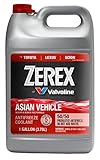
- Formulated to replace the OEM fluid in Asian make vehicles...
- 5 year/150, 000 mile . Silicate-free, long-life, phosphate...
- The long life formula provides protection for all cooling...
- Meets the following OEM and industry specifications: JIS K...
- Note: Please check the vehicle specification before...

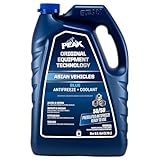
- 1 GALLON ENGINE ANTIFREEZE/COOLANT: Fully compatible with...
- PROTECTS: Advanced formulation prevents rust & corrosion...
- DESIGNED FOR ASIAN VEHICLES: Recommended for use with Acura...
- GUARANTEED: When installed as part of a complete flush and...
- 50/50 PREDILUTED FOR QUICK TOP OFFS: Already diluted to make...
If the PDF is very large, it may not load in the preview below.
Some older TSBs had multiple PDFs — visit the NHTSA Website to view all PDFs.
If the TSB PDF does not show, download or view it on the NHTSA Website.
Click on the (+) Plus Sign
Then Click on Associated Document(s)
Search NHTSA Database for Recalls
Search NHTSA Database for Vehicle Investigations
View Latest Vehicle Investigations
Search NHTSA Database for Vehicle Complaints
View Latest Vehicle Complaints
TSB/Document ID: 0502-18
Replacement Service Bulletin Number:
MFR Communication Date: 2018-05-02
MFR Internal Campaign ID/Software Version:
Communication Type: Service Bulletin/Repair Instructions
NHTSA Components: ENGINE AND ENGINE COOLING
MFR Component System:
MFR Component Subsystem:
Previous TSB | Next TSB |
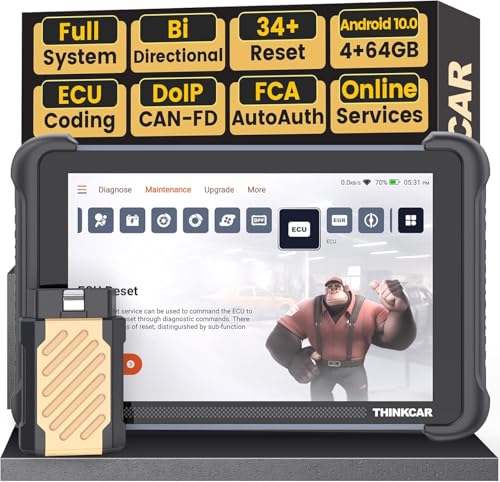
- [Notice] When you receive a used device, it may be a customer return resold by Amazon without inspection. You can exchange it for a new one through Amazon. As this situation is unavoidable, we sincerely apologize. For any issues, contacting us via Amazon's "Messages" is the best way. THINKSCAN 689BT Bidirectional Scan Tool Can Be Used Immediately After It is Turned On, Without Complicated Registration Process, Which is More Convenient & Quick.
- Full Bi-Directional Control & 3000+ Active Tests: Take control and test components like actuators, fuel injectors, relays, and cooling fans in real time. You’ll quickly see if the problem is in the part itself or the control module — saving you hours of guesswork and frustrating trial-and-error.
- Advanced ECU Coding Capabilities: Handle module matching and hidden feature activation with confidence. When you replace an ECU or want to customize settings, this obd2 scanner diagnostic bi directional tool gives you the professional-level capabilities you need without the dealership price tag.
- 34+ Useful Reset and Maintenance Functions: Complete everyday service tasks smoothly with a wide range of helpful reset and maintenance functions. Whether you’re keeping up with regular upkeep or tackling a specific job, this scanner makes maintenance simpler and less stressful for both DIYers and pros.
- Comprehensive Full System Diagnostics: Diagnose every major system — Engine, Transmission, ABS, SRS, TPMS, and more — all in one place. Finally stop wondering if you’re missing something important; get the full picture and clear codes with ease.
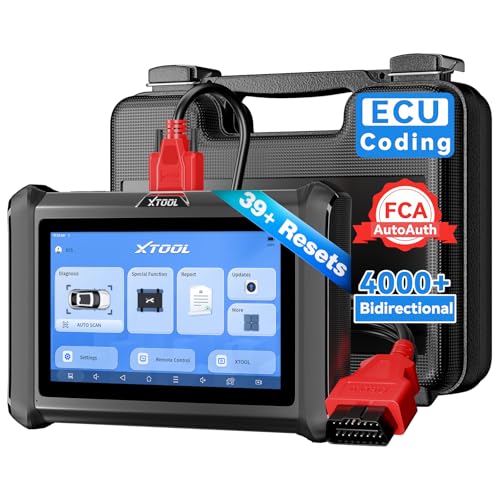
- Top Reasons to Choose the D7S OBD2 Scanner: XTOOL D7S car scan tool, an upgrade of XTOOL D7, offers comprehensive features for automotive technicians, workshops, and DIY enthusiasts 1. Upgraded Hardware: 2+64GB memory, rear camera, intuitive interface, foldable bracket 2. Complete Diagnostics: FCA
 Autoauth, OE-level all system scan, 39+ maintenance services, 4K+ bidirectional, CANFD/DoIP protocol 3. Advanced Capabilities: ECU coding, PMI functions 4. Wide Compatibility: Support 10,000+ models, covering 99% vehicle brands 5. Multi-language: Available in 22+ languages, No IP Restrictions 6. 3-Year Updates: Save 300 bucks on software updates for the latest features and optimizations
 - 2026 Upgraded D7S Car Scanner Features: The newly 2026 D7S V2.0 scanner for car brings exciting features for advanced vehicle diagnostics and enhanced user experience 1. FCA AutoAuth: Now supports FCA SGW module for Chrysler, for Jeep, for Dodge (2018+), for Fiat (2017+), enabling faster vehicle communication without gateway restrictions 2. PMI (Offline ECU Programming): Allows for Ford, for Lincoln, and for Mazda ECU programming for new modules 3. Optimized Diagnostic Report 2.0: Personalized reports with logos and customer info for auto shops. Note: Compatibility varies by cars, please check before order
- Cost-effective ECU Coding Scan Tool for Specific Brands: Enhance your vehicle's performance with XTOOL D7S! This obd2 scanner all systems bidirectional offers advanced capabilities at an affordable price, supports online for BMW, for Benz and offline for BENZ, for MIT, along with PMI functions for Ford, for Mazda, and for Lincoln. Ideal for technicians and DIY enthusiasts, this automotive scanner diagnostic tool optimizes vehicle performance and enhances the driving experience. Note: Not for all cars and modules, please send car VIN to check the compatibility before purchase
- OE All System Diagnostic & 8 Pids Graphing: XTOOL D7S is a comprehensive all system bi directional obd2 scanner that delivers dealer-level diagnostics, completely controlling over your vehicle’s performance and health. This automotive scan tool can read and clear DTCs, view live data and ECU information, retrieve freeze frames, and perform active tests and full obd2 functions. This bi-directional scan tool can can identify your vehicle's make, model, and year information with just one click and show up to 8 PIDs live data with options for CSV viewing, playback, and recording for in-depth analysis. It is easy-to-use for both professionals and beginners, helping pinpoint issues efficiently
- 3 Years Software Update, Value for Money: With 3 years of software updates and 22+ languages(no IP restrictions), XTOOL D7S auto scanner code scanner ensures ongoing compatibility for the latest car models and improved diagnostic functions. This all system vehicle diagnostic scanner comes with a 30-day return policy and a 24-month repair for dependable performance. XTOOL are dedicated to your satisfaction, so enjoy seamless support and lifetime expert assistance. Should you encounter any issues or concerns, don’t hesitate to reach out XTOOL. D7S with newest update with 22 languages freely transfer without authorization, check details from setting-language or from XTOOL
 Autoauth, OE-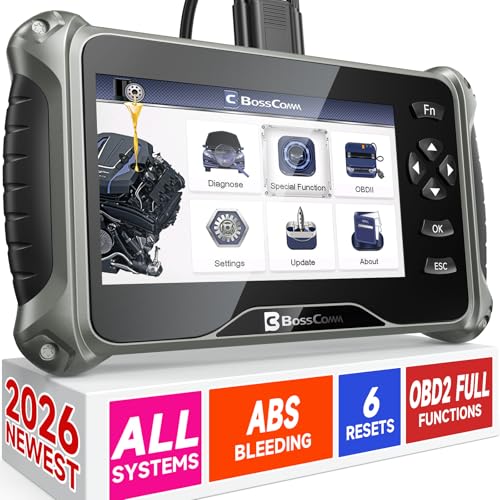
- 🔥 Historical lowest pr-ice now on sa-le--hot se-lling.
- 【🎈𝗜𝗙𝟳𝟰𝟱 𝗽𝗲𝗿𝗳𝗼𝗿𝗺𝘀 𝟲 𝗲𝘀𝘀𝗲𝗻𝘁𝗶𝗮𝗹 𝗿𝗲𝘀𝗲𝘁 𝗳𝘂𝗻𝗰𝘁𝗶𝗼𝗻𝘀—𝗔𝗕𝗦 𝗕𝗹𝗲𝗲𝗱𝗶𝗻𝗴, 𝗢𝗶𝗹 𝗥𝗲𝘀𝗲𝘁, 𝗘𝗣𝗕, 𝗦𝗔𝗦, 𝗧𝗵𝗿𝗼𝘁𝘁𝗹𝗲 𝗥𝗲𝗹𝗲𝗮𝗿𝗻, 𝗮𝗻𝗱 𝗕𝗠𝗦—𝗽𝘂𝘁𝘁𝗶𝗻𝗴 𝗽𝗿𝗼𝗳𝗲𝘀𝘀𝗶𝗼𝗻𝗮𝗹-𝗴𝗿𝗮𝗱𝗲 𝗺𝗮𝗶𝗻𝘁𝗲𝗻𝗮𝗻𝗰𝗲 𝗯𝗮𝗰𝗸 𝗶𝗻 𝘆𝗼𝘂𝗿 𝗵𝗮𝗻𝗱𝘀.】Spongy brakes? Stuck oil light? Parking brake won't release? Off-center steering? Rough idle after battery disconnect? Draining battery? IF745 handles all with a few taps. One tool covers six dealer-level resets, saving hundreds in labor costs. ❗ NOTE: Does NOT support bidirectional control, coding, or programming.
- 【✨ 𝗜𝗙𝟳𝟰𝟱 𝗴𝗼𝗲𝘀 𝗯𝗲𝘆𝗼𝗻𝗱 𝗯𝗮𝘀𝗶𝗰 𝗰𝗼𝗱𝗲 𝗿𝗲𝗮𝗱𝗶𝗻𝗴 𝘄𝗶𝘁𝗵 𝟭𝟬 𝗶𝗻𝘁𝗲𝗴𝗿𝗮𝘁𝗲𝗱 𝗳𝘂𝗻𝗰𝘁𝗶𝗼𝗻𝘀—𝗗𝗧𝗖 𝗟𝗼𝗼𝗸𝘂𝗽, 𝗜/𝗠 𝗥𝗲𝗮𝗱𝗶𝗻𝗲𝘀𝘀, 𝗙𝗿𝗲𝗲𝘇𝗲 𝗙𝗿𝗮𝗺𝗲, 𝗟𝗶𝘃𝗲 𝗗𝗮𝘁𝗮, 𝗢𝟮𝗦, 𝗢𝗕𝗠, 𝗘𝗩𝗔𝗣, 𝗮𝗻𝗱 𝗺𝗼𝗿𝗲. 】Pulling a code tells you something is wrong. IF745 tells you what the code means, when the fault happened, and what data surrounds it. Pass emissions with one I/M Readiness tap. Freeze the fault moment with Freeze Frame. Monitor live sensor data in real time. Turn cryptic codes into clear answers.
- 【🛒 𝗜𝗙𝟳𝟰𝟱 𝗽𝗲𝗿𝗳𝗼𝗿𝗺𝘀 𝗳𝘂𝗹𝗹-𝘀𝘆𝘀𝘁𝗲𝗺 𝗱𝗶𝗮𝗴𝗻𝗼𝘀𝘁𝗶𝗰𝘀 𝗮𝗰𝗿𝗼𝘀𝘀 𝗮𝗹𝗹 𝗺𝗼𝗱𝘂𝗹𝗲𝘀—𝗲𝗻𝗴𝗶𝗻𝗲, 𝗔𝗕𝗦, 𝗮𝗶𝗿𝗯𝗮𝗴, 𝘁𝗿𝗮𝗻𝘀𝗺𝗶𝘀𝘀𝗶𝗼𝗻, 𝘀𝘁𝗲𝗲𝗿𝗶𝗻𝗴, 𝘀𝘂𝘀𝗽𝗲𝗻𝘀𝗶𝗼𝗻, 𝗯𝗼𝗱𝘆 𝗲𝗹𝗲𝗰𝘁𝗿𝗼𝗻𝗶𝗰𝘀, 𝗮𝗻𝗱 𝗺𝗼𝗿𝗲. 】Warning lights on but you don't know why? Skip the $100+ diagnostic fee at the shop. Run a complete self-check from your driveway. IF745 reads and clears fault codes, retrieves ECU info, and displays live data from every accessible module—delivering a full vehicle health report in minutes, without leaving home.
- 【✅𝗜𝗙𝟳𝟰𝟱 𝗳𝗲𝗮𝘁𝘂𝗿𝗲𝘀 𝗮 𝟳-𝗶𝗻𝗰𝗵 𝗱𝗶𝘀𝗽𝗹𝗮𝘆, 𝗲𝗿𝗴𝗼𝗻𝗼𝗺𝗶𝗰 𝗱𝗲𝘀𝗶𝗴𝗻, 𝗪𝗶-𝗙𝗶 𝘂𝗽𝗱𝗮𝘁𝗲𝘀, 𝗮𝗻𝗱 𝘇𝗲𝗿𝗼 𝘀𝘂𝗯𝘀𝗰𝗿𝗶𝗽𝘁𝗶𝗼𝗻 𝗳𝗲𝗲𝘀 𝗳𝗼𝗿 𝗵𝗮𝘀𝘀𝗹𝗲-𝗳𝗿𝗲𝗲 𝗱𝗶𝗮𝗴𝗻𝗼𝘀𝘁𝗶𝗰𝘀.】Large screen means no squinting. Intuitive navigation and customizable data displays put key info at your fingertips. Wi-Fi delivers lifetime free updates without a computer. No recurring fees. No hidden costs. Just a reliable tool that works as hard as you do.
This product presentation was made with AAWP plugin.