
NHTSA ID Number: 10145207
Manufacturer Communication Number: ZH9-Sequoia Fram
TSB/Document Date: 2018-10-09
Summary
TI: Technical Instructions for Warranty Enhancement Program ZH9 Certain 2008 Model Year Sequoia Frame Replacement.
1. Perform health check and record any preexisting DTCs
2. Test drive the vehicle and inspect the following vehicle functions/current operating conditions prior to vehicle
repair.
•
•
•
•
•
4WD System (4WD Only)
Interior Lights
Exterior Lights
HVAC System
Audio System
•
•
•
•
•
Power Windows
Power Door Locks
All Gauges, Indicators and Warning Lights
Cooling Fans
Etc.
3. Documents the current vehicle operating condition on the Frame Replacement Inspection Sheet.
B. SAFETY CHECKLIST & PRECAUTIONS WHEN DRAINING THE FUEL SYSTEM
•
•
•
•
Always remember “SAFETY FIRST”.
Be extremely careful when handling fuel to prevent fires from occurring.
Before beginning work on the fuel system, perform the following safety check list.
Before removing any fuel system part, drain all fuel to prevent spilling.
1. AIR VENTILATION
Perform work in a well-ventilated area.
DO NOT work underground or in an area where fuel vapors may fill the room due to poor ventilation.
Quickly clean up any spilled fuel with a dry cloth and dissipate the fuel vapors.
Dry all cloths that have come in contact with fuel in a well-ventilated area and dispose of them properly (according to applicable local
regulations).
2. FIRES AND IGNITION SOURCES ARE STRICTLY PROHIBITED
Fires and ignition sources are prohibited while working on the fuel system.
Clearly display the sign found on the next page stating “WORKING WITH GASOLINE, NO FIRES OR IGNITION SOURCES”.
Smoking is prohibited near the work area.
DO NOT work in areas where there are welders, grinders, drills, electric motors, heaters, etc.
DO NOT use work lamps or any other electrical appliance due to the risk of sparks flying from the power switch or a rise in
temperature.
DO NOT use metal hammers while working, due to the risk of flying sparks.
DO NOT start any engines or perform any of the above in neighboring work bays.
3. FIRE EXTINGUISHER
Have a fire extinguisher ready and available before beginning work.
4. PREVENT STATIC ELECTRICITY
To help prevent static electricity, lightly wet the floor with water, but not to the point where it creates a hazardous working condition.
Place appropriate warning cones or stand signs around the area as a caution.
5. PRECAUTIONS WHEN USING A LIFT
For bays equipped with auto lifts, cover all access cover joints with duct tape.
In the event that fuel has leaked inside the auto lift, remove the access cover and clean up any spilled fuel. Dissipate fuel vapors
until the smell is gone.
6. PREVENT THE FUEL FROM SPRAYING
When disconnecting any fuel tubes, pipes, hoses or connectors there may still be some pressure remaining, even after discharging the
system. To prevent the fuel from spraying, cover the tubes, pipes or connectors with a shop rag before disconnecting.
Remember to always wear protective goggles especially when disconnecting fuel tubes, pipes, hoses or connectors.
7. PREVENT THE FUEL FROM CONTACTING OTHER PARTS
Do not allow the fuel to come in contact with any parts made of rubber or leather.
8. ASSIGN A SAFETY SUPERVISOR
Assign a safety supervisor to be in charge of all safety precautions and fire hazards around the work area.
27
28
29
C. DISCHARGE THE FUEL SYSTEM PRESSURE
•
•
•
DO NOT disconnect any part of the fuel system until you have discharged the fuel system
pressure.
Even after discharging the fuel system pressure, place a piece of cloth around the tubes, pipe,
hoses and connectors as you separate them to reduce the risk of fuel spraying on yourself, in the
engine compartment and onto other parts.
For additional repair information, please reference to the appropriate repair manual in TIS for the
vehicle you are working on.
1. CENTER THE VEHICLE BETWEEN THE LIFT ARMS
a) Verify the vehicle is aligned with the center point of the lift to prevent interference and damage to the
frame and/or lift.
2. REMOVE THE SPARE WHEEL
3. CHECK FOR DTCs
4. RECORD THE RADIO STATION PRESETS & REMOVE THE BATTERY
NOTE:
Wait 90 seconds after the negative (-) terminal cable is disconnected from the battery before
proceeding. Doing so will prevent the SRS from being deployed (i.e. airbag, seat belt pretensioner,
etc.).
5. DISCHARGE THE FUEL SYSTEM PRESSURE
a)
b)
c)
d)
Disconnect the 2 fuel pump ECU connectors.
Reconnect the cable to the negative (-) battery terminal.
Start the engine.
After the engine has stopped, turn the ignition switch
OFF.
e) Crank the engine again to check that it does not start.
f) Disconnect the negative (-) battery terminal.
g) Loosen the fuel tank cap, and then discharge the
pressure in the fuel tank completely.
NOTE:
Please make sure to follow the procedure listed above.
This will prevent a large amount of gasoline from
spilling out when high pressure fuel tube is
disconnected.
30
D. REMOVE THE CAB BODY ASSEMBLY
•
•
•
•
•
If the frame is perforated, ONLY raise the vehicle high enough to remove the tires.
For added safety and support place jack stands under the front and rear portions of the
frame.
DO NOT work directly underneath the vehicle when performing cab body assembly
removal, unless noted.
The actual vehicle specs, equipment and parts required may differ than what is shown.
Please use the correct specs and parts for the model you are working on.
For additional repair information, please reference to the appropriate repair manual for
the vehicle you are working on.
1. REMOVE THE FOLLOWING PARTS
•
•
Engine Under Cover No.1
Side Step assy LH/RH
NOTE:
Use precaution when performing this step, as you will need to work underneath the vehicle.
2. EVACUATE THE REFRIGERANT FROM THE AIR CONDITIONING SYSTEM
3. DRAIN THE FOLLOWING FLUIDS
•
•
NOTE:
DO NOT remove the radiator cap while the radiator and engine are hot, doing so may cause the
coolant to spray out causing potential injuries.
4. REMOVE THE FOLLOWING PARTS
•
•
•
•
•
•
•
Front Door Scuff Plate LH/RH
Cowl Side Trim Board LH/RH
No.2 Dash Panel Insulator Pad
No.3 Dash Panel Insulator Pad
Rear Door Scuff Plate LH/RH
Luggage Compartment Trim Box
Rear Floor Mat Support Plate
5. DISCONNECT THE QUARTER TRIM PANEL ASSY
a) Remove the package holder net hook.
b) Disconnect the 2 clips and the quarter trim panel assy.
c) Repeat the procedure on the opposite side.
31
6. REMOVE THE FOLLOWING PARTS
•
•
•
•
•
•
•
•
•
•
Front Wheel
Front End Panel LH/RH
Front Fender Splash Shield Sub-Assy LH/RH
Front Bumper Cover Assy
Front Bumper Reinforcement Sub- Assy
No.2 Front Bumper Extension Sub- Assy LH/RH
Front Fender Mudguard LH/RH (If Equipped)
Throttle Body Cover Sub- Assy (2UZ-FE Only)
V-Bank Cover Sub- Assy (3UR-FE Only)
Air Cleaner Hose and Air Cleaner Assy
7. DISCONNECT THE ENGINE WIRE HARNESS (LH SIDE)
a) Remove the nut and disconnect the 2 (+) positive
battery cables.
b) Remove the bolt and disconnect the ground wire.
c) Disconnect the clamp.
d) Remove the No.1 relay block cover.
e) Disconnect the 2 connectors and clamps.
f) Remove the nut and disconnect the (+) positive battery
cable.
g) Disconnect the 7 connectors and 2 clamps.
h) Remove the bolt and disconnect the ground wire.
32
8. DISCONNECT THE No.1 COOLER REFRIGERANT
SUCTION HOSE ASSY
a) Remove the nut and disconnect the suction hose.
9. DISCONNECT THE VACUUM HOSE ASSY
a) Disconnect the vacuum hose.
10. DISCONNECT THE ENGINE WIRE HARNESS (RH SIDE)
a) Remove the connector holder block cover upper.
b) Disconnect the 6 connectors and 2 clamps.
c) Disconnect the skid control sensor connector and
clamp.
NOTE:
Disconnect the clamp of the sensor completely.
d) Remove the bolt and disconnect the ground wire.
NOTE:
Disconnect on the engine side otherwise the bolt may
be broken.
11. DISCONNECT THE INLET HEATER HOSE AND OUTLET HEATER HOSE, ENGINE SIDE
33
2UZ-FE
12. DISCONNECT THE AIR INJECTION SYSTEM HOSES
a) Disconnect the No.2 Hose and clamp. (2UZ-FE)
b) Disconnect the clamp, No.2 hose and No.3 hose.
(3UR-FE)
3UR-FE
2UZ-FE
13. DISCONNECT THE AIR PUMP HARNESS
a) Disconnect the connector and 2 clamps. (2UZ-FE)
b) Disconnect the 2 connectors and 3 clamps. (3UR-FE)
3UR-FE
34
14. REMOVE THE FOLLOWING PARTS
•
•
•
•
Upper Center Front Bumper Retainer (Air Oil Cooler Equipped Vehicles Only)
Oil Cooler Assy (Air Oil Cooler Equipped Vehicles Only)
Radiator Side Deflector LH
Radiator Side Deflector RH (If Equipped)
15. DISCONNECT THE No.1 COOLER REFRIGERANT
DISCHARGE HOSE
a) Remove the bolt and disconnect the discharge hose.
16. REMOVE THE FOLLOWING PARTS
•
•
•
•
Radiator Inlet Hose
Radiator Outlet Hose
Fan Shroud
Radiator Assy
17. DISCONNECT THE VANE PUMP OIL RESERVOIR ASSY
a) Remove the 3 bolts of the windshield washer jar assy
to make space for removal of the bolt.
b) Remove the 3 bolts and disconnect the vane pump oil
reservoir assy.
18. DISCONNECT THE ABSORBER CONTROL ACTUATOR
CONNECTOR (W/ AIR SUSPENSION)
a) Disconnect the connector and clamp.
b) Repeat the procedure on the opposite side.
35
19. REMOVE THE FRONT FENDER APRON SEALS
LH Side
a) Remove the 11 clips and front fender apron seal rear
LH/RH.
b) Remove the 11 clips and front fender apron seal
LH/RH.
RH Side
LH Side
20. DISCONNECT THE FRONT BRAKE TUBES
a) Disconnect the front brake tube.
b) Remove the bolt and disconnect the front brake tube.
c) Repeat the procedure on the opposite side.
RH Side
36
21. DISCONNECT THE FRONT DIFFERENTIAL VACUUM
HOSES (4WD ONLY)
a) Disconnect the clamp and vacuum hoses.
22. DISCONNECT THE No.2 STEERING INTERMEDIATE
SHAFT
a) Make sure the front wheels are in a straight-ahead
position and the steering wheel is centered.
b) Using the seat belt, hold the steering wheel in position
as shown in the illustration, iNo.rder to prevent damage
to the spiral cable.
c) Place matchmarks on the intermediate shaft and No.2
intermediate shaft.
d) Remove the bolt.
e) Disconnect the intermediate shaft from the No.2
intermediate shaft.
NOTE:
If the intermediate shaft cannot be pulled out
completely, spread the gap of the sliding yoke with a
flathead screwdriver or a wrench and pull out the
intermediate shaft.
37
23. REMOVE THE FOLLOWING PARTS
•
•
•
•
•
Rear Quarter Panel Mudguard LH/RH
Rear Bumper Cover Assy
Rear Bumper Arm Bracket LH/RH
Rear Bumper Energy Absorber
Receiver Hitch Cap (If Equipped)
24. DISCONNECT THE No.1 PARKING BRAKE CABLE
a) Remove the nut and No.1 wire adjusting nut.
b) Remove the bolt and cable retainer.
c) Disconnect the No.1 parking brake cable.
NOTE:
Use precaution when performing this step, as you will
need to work underneath the vehicle.
25. DISCONNECT THE FUEL HOSE
a) Disconnect the fuel hose.
NOTE:
Use precaution when performing this step, as you will
need to work underneath the vehicle.
26. DISCONNECT THE TRANSMISSION CONTROL CABLE
a) Remove the bolt and disconnect the ground wire.
b) Disconnect the 3 clamps.
NOTE:
Use precaution when performing this step, as you will
need to work underneath the vehicle.
38
c) Remove the nut.
d) Remove the 2 bolts and disconnect the transmission
control cable.
27. DISCONNECT THE REAR BRAKE TUBES
a) Disconnect the 2 rear brake tubes.
b) Remove the bolt and disconnect brake tube.
NOTE:
Use precaution when performing this step, as you will
need to work underneath the vehicle.
28. DISCONNECT THE HEIGHT CONTROL HOSE
(W/ AIR SUSPENSION)
29. DISCONNECT THE FRAME WIRE AND No.3 FRAME
WIRE
a) Disconnect the 2 craws and remove the connector
cover.
NOTE:
Use precaution when performing this step, as you will
need to work underneath the vehicle.
39
b) Disconnect each connector and clamp.
NOTE:
• The number of connectors will differ depending on
the vehicle spec.
• Use precaution when performing this step, as you
will need to work underneath the vehicle.
30. DISCONNECT THE FUEL TANK PIPES AND FUEL
TANK VENT HOSE
a) Disconnect the 2 fuel tank pipes and fuel tank vent
hose.
NOTE:
Use precaution when performing this step, as you will
need to work underneath the vehicle.
31. REINSTALL THE FRONT WHEELS
40
32. REMOVE THE CAB BODY ASSY USING AN ABOVE GROUND LIFT
a)
b)
c)
d)
e)
f)
g)
Remove the 8 bolts, 8 nuts, 6 washers and 2 No.1 lower cab mounting cushion sub-assy.
Set the lift arms under the cab body assy so they DO NOT interfere with the frame or cab mounts.
Check that all wire harnesses, hoses, cables and the steering shaft are disconnected.
Lift the cab assy up slowly, making sure it does not interfere with anything while being raised.
Raise the cab assy high enough so that the top of the engine clears the lowest point of the cab assy.
Pull the frame assy out from under the vehicle.
Lower the cab assy all the way down and leave it on the lift.
NOTE:
• Center the cab assy weight on the lift arms so that it does not slant/tilt to one side.
• Raise the cab assy slightly off the frame and verify that it is held securely by the lift arms.
• The center of gravity position of the cab body may become inappropriate depending on the
shape of the lift arm used and under such situation the cab body may fall when lifted. To prevent
falling off of the cab body, use some weights to establish right balance and secure the cab body
to the lift arm using ratchet tie down belts.
• DO NOT work directly underneath the vehicle when pulling the frame assy out from under.
• DO NOT remove the cab mount bolts, as they will be used as guides during cab assy
reinstallation process.
41
E. DISASSEMBLY THE FRAME
1. PLACE THE FRAME ON THE LIFT
a) Place the frame on the lift, and secure it with a ratcheting tie down strap. This will prevent the frame from
tilting or falling off as parts are removed.
•
Ratcheting Tie Down: Qty 1
° Length: 2 in X 27 ft
° Minimum Work Load Capacity: 3,000 lbs
2. REMOVE THE WHEELS
3. REMOVE THE REAR PROPELLER SHAFT ASSY
Insert SST 09325-40010 (A750E) or SST 09325-60010 (AB60E) into the transmission after the rear
propeller shaft assy is removed to prevent oil leakage. (2WD Only)
NOTE:
Make sure to place matchmarks on the rear propeller shafts prior to removal.
4. REMOVE THE REAR STABILIZER BAR
5. REMOVE THE EXHAUST TAIL PIPE ASSY
a) Remove the bolt and clamp.
b) Remove the exhaust tail pipe and exhaust pipe support.
c) Remove the exhaust pipe gasket.
6. DISCONNECT THE OXYGEN SENSOR CONNECTORS
a) Disconnect the 4 oxygen sensor connectors.
42
7.
REMOVE THE EXHAUST SYSTEM
a) Remove the 6 nuts.
b) Remove the exhaust and 4 exhaust pipe supports.
c) Remove the 2 exhaust pipe gaskets.
8. REMOVE THE FOLLOWING PARTS (4WD ONLY)
•
•
Propeller Shaft Heat Insulator
Front Propeller Shaft Assy
NOTE:
Make sure to place matchmarks on the front propeller shafts prior to removal.
9. REMOVE THE FOLLOWING PARTS
•
•
Fuel Tank Strap
Fuel Tank Assy
43
10. DISCONNECT THE PARKING BRAKE SYSTEM
a) Remove the tension spring.
b) Remove the bolt and cable retainer.
c) Disconnect the 2 parking brake cables.
d) Remove the 3 bolts and cable support bracket (A).
e) Remove the 2 bolts and parking brake intermediate
lever (B).
f) Remove the 2 bolts and No.2 cable support bracket (C).
11. DISCONNECT THE FUEL PIPES
a) Remove the No.1 fuel pipe clamp.
b) Disconnect the 2 fuel pipes.
NOTE:
Put a shop towel under the fuel pipe to catch any spilled
fuel.
12. DISCONNECT THE FUEL VAPOR FEED HOSE ASSY
4WD Only
LH Side
13. DISCONNECT THE ENGINE WIRE
14. DISCONNECT THE DIFFERENTIAL WIRE (4WD ONLY)
44
15. REMOVE AND SET ASIDE THE POWER STEERING PUMP ASSY
a)
b)
c)
d)
Remove the drive belt.
Disconnect the connectors.
Disconnect the harness clamp. (3UR-FE Only)
Remove the 2 bolts and the nut (2UZ-FE Only) or the 2 bolts (3UR-FE Only) and the power steering vane
pump.
NOTE:
• DO NOT disconnect the power steering pump hoses or tubes.
• Make sure to keep the power steering pump reservoir in an upright position to prevent the fluid
from leaking out.
3UR-FE
16. REMOVE THE ENGINE AND TRANSMISSION ASSY
a) Disconnect and remove the necessary items/parts to
prepare the engine and transmission assy for removal.
b) Install the engine hanger. (3UR-FE Only)
12281-38150 = Engine Hanger No. 1, Qty: 2
90119-14120 or 90119-A0166 = Bolt, Qty: 2
c) Remove the engine and transmission assy.
NOTE:
• When removing the engine and transmission assy,
ALWAYS use 2 engine hoists or mini cranes to lift it.
• DO NOT use 1 engine hoist or mini crane to lift the
engine and transmission assy, as the unbalanced
weight may lead to an accident or injury.
• ONLY use engine hoists or mini cranes that can
properly support the weight of the engine and
transmission assy.
• Carefully adjust the 2 engine hoists or mini cranes
used so that the engine and transmission assy is
properly balanced.
17. REMOVE THE FUEL TUBES
a) Remove the clamps and fuel tubes.
NOTE:
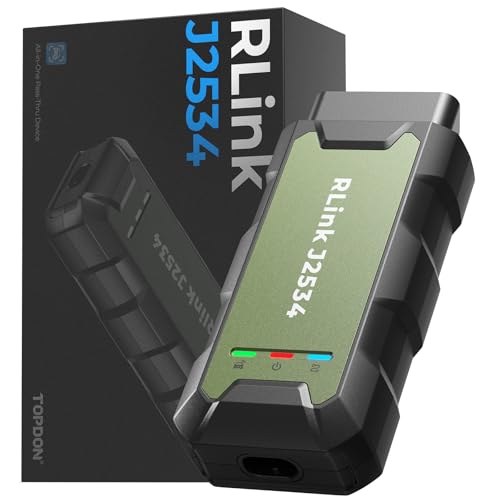
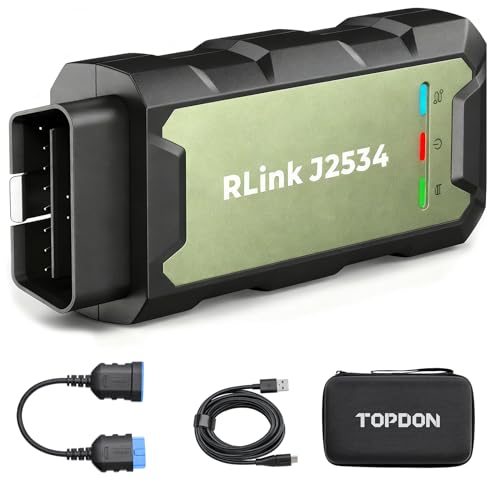
- Advanced VCI Box, Industry-leading J2534 Pass-Thru...
- High-Speed OEM-Level Diagnostics & Programming: Unlock true...
- Coverage for 17 Car Brands & Ultra Reliability: Works...
- User-Friendly RLink Platform & Expert Support: TOPDON’s...
- 6.6 ft USB-C Cable & Portable Storage Case: The RLink J...
Last update on 2026-06-23 / Affiliate links / Images from Amazon Product Advertising API
If the PDF is very large, it may not load in the preview below.
Some older TSBs had multiple PDFs — visit the NHTSA Website to view all PDFs.
If the TSB PDF does not show, download or view it on the NHTSA Website.
Click on the (+) Plus Sign
Then Click on Associated Document(s)
Search NHTSA Database for Recalls
Search NHTSA Database for Vehicle Investigations
View Latest Vehicle Investigations
Search NHTSA Database for Vehicle Complaints
View Latest Vehicle Complaints
TSB/Document ID: ZH9-Sequoia Fram
Replacement Service Bulletin Number:
MFR Communication Date: 2017-10-12
MFR Internal Campaign ID/Software Version:
Communication Type: Service Bulletin/Repair Instructions
NHTSA Components: STRUCTURE
MFR Component System:
MFR Component Subsystem:
Previous TSB | Next TSB |
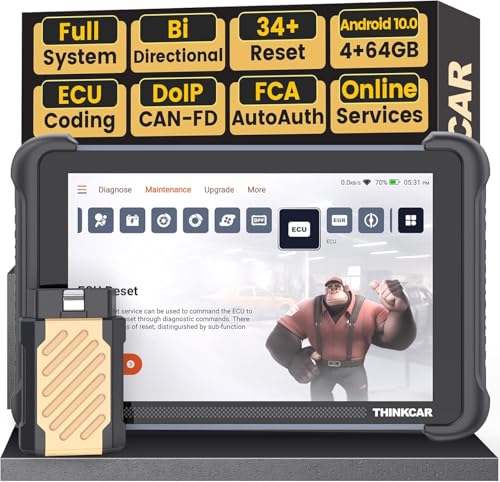
- [Notice] When you receive a used device, it may be a customer return resold by Amazon without inspection. You can exchange it for a new one through Amazon. As this situation is unavoidable, we sincerely apologize. For any issues, contacting us via Amazon's "Messages" is the best way. THINKSCAN 689BT Bidirectional Scan Tool Can Be Used Immediately After It is Turned On, Without Complicated Registration Process, Which is More Convenient & Quick.
- Full Bi-Directional Control & 3000+ Active Tests: Take control and test components like actuators, fuel injectors, relays, and cooling fans in real time. You’ll quickly see if the problem is in the part itself or the control module — saving you hours of guesswork and frustrating trial-and-error.
- Advanced ECU Coding Capabilities: Handle module matching and hidden feature activation with confidence. When you replace an ECU or want to customize settings, this obd2 scanner diagnostic bi directional tool gives you the professional-level capabilities you need without the dealership price tag.
- 34+ Useful Reset and Maintenance Functions: Complete everyday service tasks smoothly with a wide range of helpful reset and maintenance functions. Whether you’re keeping up with regular upkeep or tackling a specific job, this scanner makes maintenance simpler and less stressful for both DIYers and pros.
- Comprehensive Full System Diagnostics: Diagnose every major system — Engine, Transmission, ABS
 , SRS, TPMS, and more — all in one place. Finally stop wondering if you’re missing something important; get the full picture and clear codes with ease.
Last update on 2026-07-02 / Affiliate links / Images from Amazon Product Advertising API
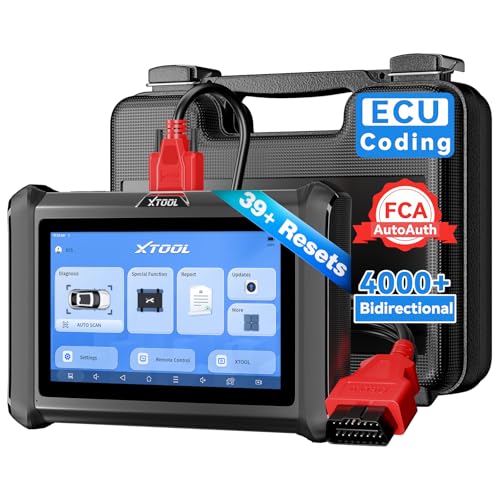
- Top Reasons to Choose the D7S OBD2 Scanner: XTOOL D7S car scan tool, an upgrade of XTOOL D7, offers comprehensive features for automotive technicians, workshops, and DIY enthusiasts 1. Upgraded Hardware: 2+64GB memory, rear camera, intuitive interface, foldable bracket 2. Complete Diagnostics: FCA Autoauth, OE-level all system scan, 39+ maintenance services, 4K+ bidirectional, CANFD/DoIP protocol 3. Advanced Capabilities: ECU c0ding, PMI functions 4. Wide Compatibility: Support 10,000+ models, covering 99% vehicle brands 5. Multi-language: Available in 22+ languages, No IP Restrictions 6. 3-Year Updates: Save 300 bucks on software updates for the latest features and optimizations
- 2026 Upgraded D7S Car Scanner Features: The newly 2026 D7S V2.0 scanner for car brings exciting features for advanced vehicle diagnostics and enhanced user experience 1. FCA AutoAuth: Now supports FCA SGW module for Chrysler, for Jeep, for Dodge (2018+), for Fiat (2017+), enabling faster vehicle communication without gateway restrictions 2. PMI (Offline ECU Pr0gramming): Allows for Ford, for Lincoln, and for Mazda ECU pr0gramming for new modules 3. Optimized Diagnostic Report 2.0: Personalized reports with logos and customer info for auto shops. Note: Compatibility varies by cars, please check before order
- 39+ Services/Resets/Adaptations/Relearns/Calibrations: XTOOL D7S full system car scanner diagnostic tool tackles 99% of common car issues through its 36+ special functions, including Oil Reset, EPB, SAS, BMS, Throttle Reset, Injector C0ding, ABS Bleed, TPMS Reset, Power Balance, etc and also covers specific-vehicle functions like Crank Sensor Relearn, ABS Initialization, Cylinder Power Balance, Fuel Trim Reset, Idle Relearn etc. This car diagnostic scanner enhances efficiency, making repairs and maintenance hassle-free. Tip: DO NOT for All vehicles, please check compatibility first
- Cost-effective ECU C0ding Scan Tool for Specific Brands: Enhance your vehicle's performance with XTOOL D7S! This obd2 scanner all systems bidirectional offers advanced capabilities at an affordable price, supports online for BMW, for Benz and offline for BENZ, for MIT, along with PMI functions for Ford, for Mazda, and for Lincoln. Ideal for technicians and DIY enthusiasts, this automotive scanner diagnostic tool optimizes vehicle performance and enhances the driving experience. Note: Not for all cars and modules, please send car VIN to check the compatibility before purchase
- OE All System Diagnostic & 8 Pids Graphing: XTOOL D7S is a comprehensive all system bi directional obd2 scanner that delivers dealer-level diagnostics, completely controlling over your vehicle’s performance and health. This automotive scan tool can read and clear DTCs, view live data and ECU information, retrieve freeze frames, and perform active tests and full obd2 functions. This bi-directional scan tool can can identify your vehicle's make, model, and year information with just one click and show up to 8 PIDs live data with options for CSV viewing, playback, and recording for in-depth analysis. It is easy-to-use for both professionals and beginners, helping pinpoint issues efficiently
Last update on 2026-06-30 / Affiliate links / Images from Amazon Product Advertising API
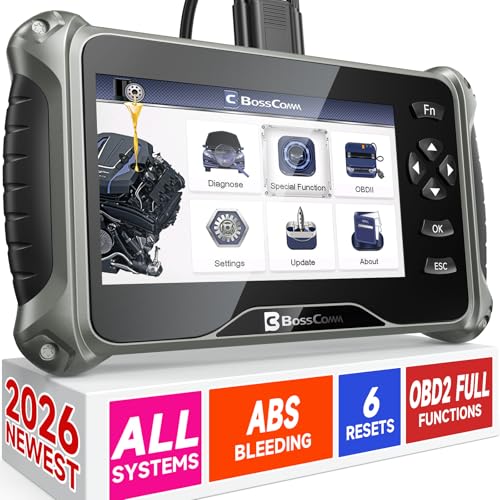
- 【✅Compared to BOSSCOMM IF742, IF745 Offers Full-System Diagnostics】The BOSSCOMM IF745 car diagnostic scanner is an upgraded model of IF742. In addition to supporting all OBD2 Code Reader functions and 6 reset options (ABS/EPB/SAS/BMS/Oil/Throttle), it expands diagnostics from 4 systems (Check Engine/ABS/SRS/Transmission) to vehicle All systems, including Steering, Suspension, and Body Electronics. This provides deeper, more comprehensive diagnostic capabilities.
- 【✨10 OBD2 Functions】The BOSSCOMM IF745 scan tool’s DTC Lookup instantly translates fault codes into user-friendly explanations, its I/M Readiness feature streamlines emissions testing with a single tap, and Freeze Frame lets you pinpoint the exact moment of a fault for in-depth root-cause diagnosis. Combined with a live data dashboard and advanced diagnostics (O2S, OBMon, EVAP), it delivers comprehensive insights for confident troubleshooting.
- 【✨Deep Diagnostics for All Vehicle System Modules】Beyond code reading/clearing and ECU information retrieval, our all-in-one data stream feature lets you inspect all current fault codes and their locations across the vehicle’s systems. This vehicle code reader helps you turn off dashboard warning lights and perform a comprehensive self-check of your car at home—no more back-and-forth trips to the repair shop or hefty inspection fees.
- 【✨6 Essential Resets: ABS Bleeding, Oil, EPB, SAS, Throttle, BMS】The BOSSCOMM IF745 obd2 scanner diagnostic tool swiftly purges air from brake lines to restore braking sensitivity, fine-tunes maintenance cycles to eliminate false alerts, resolves parking brake issues with one-click control, recalibrates steering sensors for stability, optimizes engine idling/acceleration for smoother performance, and deeply resets battery systems to extend lifespan and range via precise parameter adjustments.❗NOTE: Does NOT support bidirectional control, coding, or programming.
- 【✨10,000+ Car Models, AutoVIN, 13 Languages】The BOSSCOMM IF745 vehicle scanner diagnostic tool covers 73+ global car brands and offers support in 13 languages, making it perfect for DIYers, auto mechanics, or as a thoughtful gift. With a single-click AutoVIN feature, it instantly retrieves vehicle serial numbers, streamlining diagnostics for users globally. This adaptable tool balances user-friendliness with precision, catering to both personal and professional requirements.✅Unsure about compatibility? Compatibility will vary on vehicles' model and year, pls reach us via 📧 [email protected] 📧 before purchase.
Last update on 2026-07-02 / Affiliate links / Images from Amazon Product Advertising API
This product presentation was made with AAWP plugin.