
NHTSA ID Number: 10055211
Manufacturer Communication Number: SD-03-4020
TSB/Document Date: 2014-04-22
Summary
BENDIX : INFORMATION CONCERNING SV-2 SYNCHRO VALVE AND SV-3 TRAILER RELEASE VALVES ARE PILOT OPERATED, NON-GRADUATING PNEUMATIC CONTROL VALVES. *JS
If the PDF is very large, it may not load in the preview below.
Some older TSBs had multiple PDFs — visit the NHTSA Website to view all PDFs.
If the TSB PDF does not show, download or view it on the NHTSA Website.
Click on the (+) Plus Sign
Then Click on Associated Document(s)
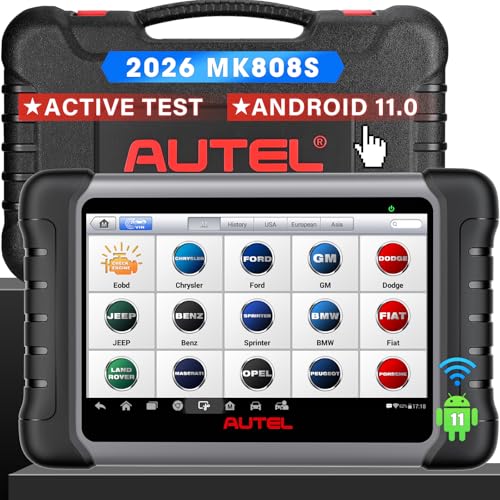
- 💝【Questions? We’re Here Anytime】MK808S is a...
- 🔥🔥🔥【2026 NEWLY RELEASED BI-DIRECTIONAL...
- 【28+ MOST POPULAR RESET SERVICE FOR 150 MAKES】Autel...
- 【ALL SYSTEM DIAGNOSTICS, FACTORY-LEVEL SCANNER】The...
- 【AUT0 SCAN & AUT0V1N, 10X FASTER】How much have you spent...

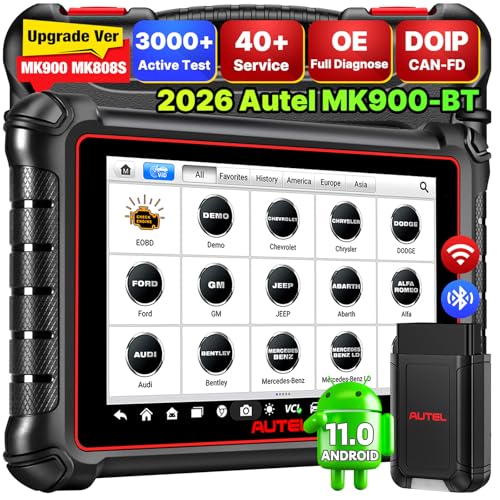
- 💯【Conta.ct us for Support Directly】If you met any...
- 🔥🔥🔥【2026 AUTEL FLAGSHIP MK900BT MK900-BT, NEW...
- 🚗【3000+ ACTIVE TESTS (50➡3000+), SAME AS MS...
- 🚗【40+ HOT SERVICES FOR 150 MAKES (28+➡40+)】Full...
- 🚗【OE ALL SYSTEM DIAGNOSE, AUTO SCAN 2.0: SCAN LICENSE...
This product presentation was made with AAWP plugin.
Search NHTSA Database for Recalls
Search NHTSA Database for Vehicle Investigations
View Latest Vehicle Investigations
Search NHTSA Database for Vehicle Complaints
View Latest Vehicle Complaints
TSB/Document ID: SD-03-4020
Replacement Service Bulletin Number:
MFR Communication Date: 2014-01-01
MFR Internal Campaign ID/Software Version:
Communication Type: Service Bulletin/Repair Instructions
NHTSA Components: STRUCTURE
MFR Component System:
MFR Component Subsystem:
Previous TSB | Next TSB |
SD-03-4020
SB-10055211-3087
Bendix® SV-1™ Synchro Valve SV-3™ & SV-4™ Trailer Release Valve
CONTROL
CONTROL
EXHAUST
EXHAUST
DELIVERY
DELIVERY
SUPPLY
SUPPLY
BENDIX® SV-3™
VALVE
BENDIX® SV-4™
VALVE
1/4" P.T.
CONTROL
1/4" P.T.
CONTROL
CAP NUT
PISTON
SPRING
PISTON SPRING
O-RING
BODY
1/8" P.T.
EXHAUST
1/4" P.T.
DELIVERY
1/4" P.T.
DELIVERY
BODY
VALVE
SPRING
VALVE
SPRING
GUIDE
SPRING
GUIDE
VALVE
VALVE
SPRING
CAP NUT
1/4" P.T.
SUPPLY
1/4" P.T.
SUPPLY
CAP NUT
CHECK VALVE
DETAIL OF
BENDIX® SV-1™ VALVE
FIGURE 1 - BENDIX® SV-1™ SYNCHRO VALVE
DETAIL OF
BENDIX® SV-4™ VALVE
DETAIL OF
BENDIX® SV-3™ VALVE
FIGURE 2 - BENDIX® SV-3™ & SV-4™ TRAILER RELEASE
VALVE
1
GENERAL SAFETY GUIDELINES
WARNING! PLEASE READ AND
FOLLOW THESE INSTRUCTIONS
TO AVOID PERSONAL INJURY OR DEATH:
When working on or around a vehicle, the following
guidelines should be observed AT ALL TIMES:
▲ Park the vehicle on a level surface, apply the parking
brakes and always block the wheels. Always wear
personal protection equipment.
▲ Stop the engine and remove the ignition key when
working under or around the vehicle. When working
in the engine compartment, the engine should be shut
off and the ignition key should be removed. Where
circumstances require that the engine be in operation,
EXTREME CAUTION should be used to prevent personal
injury resulting from contact with moving, rotating,
leaking, heated or electrically-charged components.
▲ Do not attempt to install, remove, disassemble or
assemble a component until you have read, and
thoroughly understand, the recommended procedures.
Use only the proper tools and observe all precautions
pertaining to use of those tools.
▲ If the work is being performed on the vehicle’s air brake
system, or any auxiliary pressurized air systems, make
certain to drain the air pressure from all reservoirs
before beginning ANY work on the vehicle. If the vehicle
is equipped with a Bendix® AD-IS® air dryer system, a
Bendix® DRM™ dryer reservoir module, or a Bendix®
AD-9si™ air dryer, be sure to drain the purge reservoir.
▲ Following the vehicle manufacturer’s recommended
procedures, deactivate the electrical system in a manner
that safely removes all electrical power from the vehicle.
▲ Never exceed manufacturer’s recommended pressures.
▲ Never connect or disconnect a hose or line containing
pressure; it may whip. Never remove a component or
plug unless you are certain all system pressure has
been depleted.
▲ Use only genuine Bendix® brand replacement parts,
components and kits. Replacement hardware, tubing,
hose, fittings, etc. must be of equivalent size, type
and strength as original equipment and be designed
specifically for such applications and systems.
▲ Components with stripped threads or damaged parts
should be replaced rather than repaired. Do not
attempt repairs requiring machining or welding unless
specifically stated and approved by the vehicle and
component manufacturer.
▲ Prior to returning the vehicle to service, make certain all
components and systems are restored to their proper
operating condition.
▲ For vehicles with Automatic Traction Control (ATC),
the ATC function must be disabled (ATC indicator
lamp should be ON) prior to performing any vehicle
maintenance where one or more wheels on a drive axle
are lifted off the ground and moving.
▲ The power MUST be temporarily disconnected
from the radar sensor whenever any tests USING A
DYNAMOMETER are conducted on a Bendix® Wingman®
Advanced™-equipped vehicle.
▲ You should consult the vehicle manufacturer's
operating and service manuals, and any related
literature, in conjunction with the Guidelines above.
2
DESCRIPTION
The Bendix® SV-1™ synchro valve and the Bendix® SV-3™
trailer release valves are pilot operated, non-graduating
pneumatic control valves. These valves are used to control
air from a remote supply, have set opening and closing
pressures and can be used to delay or sequence the action
of other pneumatic devices.
GENERAL
The SV-1 synchro valve (figure 1) and SV-3 & Bendix®
SV-4™ trailer release valves (figure 2) are air controlled,
“on-off” (non-graduating) control valves that are primarily
used to delay or sequence various devices and events
in the air brake system. These valves can be operated
either in an automatic or manual mode using different air
connection methods.
Two .28 inch diameter mounting holes are provided in
the die cast aluminum body for panel or frame mounting.
Two hex cap nuts at the ends of the cylindrical valve body
retain the internal components. The air connection ports for
SV-1, SV-3 & SV-4 valves are the same and are located in
relatively the same position on each model. All connections
are pipe thread. Lettering embossed in the valve body
identifies two of the four connection ports in these valves.
Refer to the chart below and Figures 1 & 2.
Air
Connection
Port I.D.
Thread Size
Supply
SUP
1/4" PT
Delivery
DEL
1/4" PT
Control
None
1/4" PT
None
1/8" PT
IMPORTANT: An exhaust check valve should be installed
in the threaded exhaust port of these valves when they
are mounted outside the cab in unprotected environments.
1/8" PIPE THREAD
Exhaust Check Valve for Bendix®
SV-1™, SV-3™ and SV-4™ valves.
FIGURE 3 - EXHAUST CHECK VALVE
SV-1 Synchro Valve
The SV-1 valve is a general purpose valve used in a
variety of applications on trucks, buses, tractors, trailers
and converter dollies. The SV-1 valve is the base valve
from which both the SV-3 and SV-4 valves are derived. It
is offered in a variety of pressure settings to accommodate
applications where automatic operation is required. It is
easily distinguished from the SV-3 and SV-4 valve by its
smaller size.
Bendix® SV-3™ Trailer Release Valve
While originally designed for automatic operation to
accomplish brake release on trailers without spring brakes,
the Bendix® SV-3™ valve can be used in any installation where
its single automatic pressure setting is advantageous. The
SV-3 valve is very similar in appearance to the Bendix®
SV-4™ valve but can be distinguished by measuring the
length and diameter of the supply hex cap nut (1/4" PT
supply port). See the comparison chart for the dimensions.
When air pressure is removed from the control port, the
piston return spring and delivery port air pressure move
the piston away from the inlet/exhaust valve. As the piston
moves, the inlet valve re-seats itself preventing air flow to
the delivery port. Continued movement unseats the hollow
exhaust passage in the piston stem allowing delivery air
to flow through the stem and out the exhaust check valve.
Bendix SV-4 Trailer Release Valve
The SV-4 valve was designed primarily for use on trailer
converter dollies to minimize the possibility of false
charging. Like the SV-3 valve it can be used in other
applications. The SV-4 valve is the combination of two
valves; an SV-3 valve and a single check valve. A typical
installation is illustrated in Figure 4. The SV-4 valve can
be distinguished from the SV-3 valve using the dimensions
given in the comparison chart. In addition, the tip of the
check valve contained in the SV-4 valve is visible at the
bottom of the ¼" PT supply port.
Bendix® SV-3™/SV-4™ Valve Comparison
Supply Cap Nut Dimensions
Valve
Diameter
Length
SV-3
.81"
1.162"
SV-4
.94"
1.062"
OPERATION
GENERAL
The SV-1, SV-3, & SV-4 valves all operate in a similar
fashion. All can be connected in the air system so that
other valves control them. When connected in this nonautomatic mode the valve serves as a remote mounted,
on-off control. They can also be installed so that they
function automatically or self-actuate at a preset pressure.
Automatic operation is the most common application.
Regardless of how they are connected, the internal valve
operation is the same.
NON-AUTOMATIC (valve controlled remotely by
another valve)
With no air pressure present at the control port, supply port
air pressure and the inlet/exhaust valve spring hold the
inlet valve on its seat in the body. The piston is held away
from the inlet/exhaust valve by the piston spring, and the
delivery line is vented to atmosphere through the hollow
exhaust stem of the piston.
When sufficient air pressure is applied to the control port,
the control piston moves against the resistance of its return
spring. As the control piston moves, it contacts the exhaust
valve portion of the inlet and exhaust valve which seals
the hollow exhaust passage in the piston stem. Continued
piston movement drives the inlet valve from its seat and
allows supply air to flow through the body and out the
delivery port.
SINGLE CHECK VALVE
SV-1™
SYNCHRO
Note: A Bendix® SV-4™ valve can be used in place of the
Bendix® SV-1™ valve and single check valve shown here.
FIGURE 4 - TRAILER CONVERTER DOLLY
AUTOMATIC (self actuating at a pre-set pressure)
There are two methods for accomplishing automatic
operation of an SV valve.
1. One method for affecting automatic operation is to
connect the SV valve control port to its supply port using
a pipe or tubing tee. This is referred to as “common
control and supply” since the pressure at the supply
and control port is the same.
With common control and supply, the valve opens
(delivers air) on ascending supply air pressure and
closes and exhausts on descending pressure. The
pressure at which delivery and exhaust occurs differs
for various part numbers. Opening and exhaust
pressure is specified for the various part numbers.
2. SV valves can be made to operate automatically even
when the supply port and control ports are separate
(not connected as described in #1 above).
The SV valve will open (deliver air) and close (exhaust)
when control port pressure is increased or decreased.
Consult Bendix Engineering for specific control port
pressure for valve opening and closing when this type
of automatic operation is used. When using the SV-1
synchro valve in this manner, the control signal ramp
rate should be limited by orificing or other methods.
Please contact Bendix Engineering with specific
application requirements.
3
PREVENTIVE MAINTENANCE
Important: Review the Bendix Warranty Policy before
performing any intrusive maintenance procedures. A
warranty may be voided if intrusive maintenance is
performed during the warranty period.
No two vehicles operate under identical conditions, as
a result, maintenance intervals may vary. Experience is
a valuable guide in determining the best maintenance
interval for air brake system components. At a minimum,
the SV valves should be inspected every six (6) months
or 1500 operating hours, whichever comes first, for proper
operation. Should the SV valves not meet the elements
of the operational tests noted in this document, further
investigation and service of the valve may be required.
If the Bendix® SV-1™, SV-3™, or SV-4™ valve fails to function
as described or leakage is excessive, it should be repaired
or replaced with a genuine Bendix valve, available at any
authorized parts outlet.
OPERATING AND LEAKAGE TESTS
OPERATING TEST
Two accurate air gauges are necessary to perform these
tests. Depending upon installation, it may be necessary
to remove the valve to properly test it. Correct opening
pressures of the valve should be known before beginning
tests; consult vehicle manual.
1. Install an accurate gauge in the common control and
supply line; install another gauge in the delivery port.
2. Gradually apply air pressure to the common supply and
control line. As common supply and control pressure
increases, note at what pressure delivery of air through
valve is made and compare with specifications in
vehicle manual.
3. Slowly decrease pressure in the common supply and
note at what pressure delivery line pressure is vented;
compare with vehicle manual.
4. Pay particular attention to the exhaust check valve in
the exhaust port if so equipped (see Figure 3). Make
certain it is free of contamination and the rubber valve
is free to function. Replace this item as necessary.
LEAKAGE TEST
1. With 120 psi air pressure present in supply, control and
delivery ports:
- Apply a soap solution around control port cap nut and
supply port cap nut. No leakage is permitted.
- Apply soap solution to the exhaust port; leakage must
not exceed a 1" bubble in less than 5 seconds (100
sccm).
Excessive leakage would indicate a faulty o-ring, inlet/
exhaust valve or piston exhaust seat.
2. Plug the delivery port and apply 10 psi to the supply
port only. Apply soap solution to the exhaust port:
- For the SV-1 valve - leakage must not exceed a 1"
bubble in less than 5 seconds (100 sccm).
4
- For the SV-3 & SV-4 valves - leakage must not exceed a
one (1) inch bubble in less than 10 seconds (50 sccm).
Excessive leakage would indicate a faulty inlet valve
or inlet valve seat.
If the valve does not function as described or if leakage
is excessive, it is recommended that it be replaced with a
new unit, or repaired with genuine Bendix parts available
at Bendix outlets.
REMOVING AND INSTALLING
REMOVING
1. Block and hold the vehicle by means other than air
brakes.
2. Drain the air brake system.
3. Identify the air lines to facilitate re-installation,
disconnect the lines, remove the mounting bolts, and
then the valve.
INSTALLING
1. Mount the valve securely.
2. Check and clean air lines; identify air lines and connect
to valve.
DISASSEMBLY
1. Remove the control port cap nut and its o-ring. Remove
the o-ring from the cap nut.
2. Remove the piston from the valve body. Remove the
large and small piston o-rings from the piston.
3. Remove the piston return spring from the body.
4. Remove the supply port cap nut and its o-ring. Remove
the o-ring from the cap nut.
5. Remove the inlet/exhaust valve stop (SV-1 valve) or
the spring guide (SV-3 & SV-4 valve), then the inlet/
exhaust valve spring.
Note: The SV-4 valve contains a check valve which is
installed in the opposite end of the inlet/exhaust valve
return spring.
6. Remove the inlet/exhaust valve.
7. Remove the exhaust check valve if so equipped.
CLEANING AND INSPECTION
1. Using good commercial grade of solvent, clean and
thoroughly dry all metal parts. Do not damage bores
with metal tools.
2. Inspect the interior and exterior of all metal parts that
will be reused for severe corrosion, pitting and cracks.
Superficial corrosion and/or pitting on the exterior
portion of the body and cap nuts is acceptable. Replace
the entire valve if the interior of the body or cap nuts
exhibit signs of corrosion or pitting.
3. Inspect the body bore and the check valve seat in the
supply port cap nut of the SV-4 valve for deep scuffing
or gouges. Replace the entire valve if either are found.
4. Inspect the pipe threads in the body and cap nuts. Make
certain they are clean and free of thread sealant.
5. Inspect all springs for signs of corrosion, pitting and
cracks. Replace as necessary.
6. Inspect all air line fittings for corrosion and replace
as necessary. Make certain to remove all old thread
sealant before reuse.
7. Inspect the exhaust check valve making certain all
passages are clear and open.
ASSEMBLY
Prior to assembly, lubricate the piston, o-rings and body
bores with Dow-Corning 55-M pneumatic grease (Bendix
Piece No. 291126).
1. Install the inlet/exhaust valve in the body.
2. Install the inlet valve spring and valve stop (Bendix®
SV-1 ™ valve) or spring guide (Bendix ® SV-3 ™ &
SV-4 ™ valve).
Note: Install the check valve in the small diameter end
of the inlet-exhaust valve return spring of the SV-4™
valve before installing in the body.
3. Install the o-ring on the supply cap nut then install and
tighten the cap nut. Torque to approximately 100 in-lbs.
4. Install the piston return spring in the body.
5. Install the small and large diameter o-rings on the
piston. Insert the piston into body. (Piston should now
rest on top of the spring.)
6. Install the control port cap nut o-ring on the cap nut
then install and tighten the cap nut in body. Torque to
approximately 275 in-lbs.
7. Install the exhaust check valve if the valve assembly
was so equipped.
8. Perform tests as outlined in the “Operating and Leakage
Tests” section.
5
BW1574 © 2014 Bendix Commercial Vehicle Systems LLC • All Rights Reserved • 1/14 • Printed in USA.
6

- Stay Updated with Lifetime Access: This obd2 scanner includes lifetime free software updates for all app service functions. With a single payment, enjoy full access to diagnostics, reset tools, and maintenance features — zero subscription fees. A budget-friendly choice for weekend mechanics, home car owners, and DIYers, supporting vehicles from 1996 onward. Come to us with your VIN to check compatibility.
- Full Bidirectional Control/Active Tests & Stable Wireless Connectivity: This car code reader features full bidirectional control, allowing you to send commands to the vehicle's ECU for active tests on components such as fuel pumps, injectors, A/C clutches, windows, sunroofs, and more. This car scanner diagnostic tool helps DIYers quickly diagnose and test vehicle parts, cutting down troubleshooting and repair time. With BT 4.0 wireless connectivity, you can enjoy cable-free diagnostics up to 33 feet. Stand in your garage and test windows, wipers, or even engine components—all without needing to move around your car.
- Portable Car Scanner with 26 Resets: Scheduled vehicle maintenance with the A30M car diagnostic scanner can keep your vehicle in peak condition and save you big on dealership trips. The XTOOL A30M obd2 scanner diagnostic tool features essential reset and relearn functions, such as Oil Reset, EPB Reset (Electronic Parking Brake Release), SAS, ABS Brake Bleeding, Throttle Body Relearn, Injector Coding, Crank Sensor Relearn, Headlight Adjustment, and Tire Size Reset. Note: Service functions may vary by vehicle model – check compatibility beforehand!
- Wide Compatibility CAN FD & FCA
 Autoauth: This obd2 scanner diagnostic tool is compatible with over 85+ car brands from the U.S., Europe, and Asia, providing extensive coverage through a BT connection with your smartphone or iPad. Now upgraded to support the latest protocols, it includes FCA AutoAuth access for Chrysler, Jeep, Dodge, and Fiat (2018+), and supports CAN FD for GM (2020+) models, giving you greater access to newer vehicles and systems. Note: The FCA AutoAuth account is not included with the device. Users must register and pay separately through the official FCA AutoAuth website to access diagnostic functions for vehicles that require it.
 - Up to 8 Live Data Streams Graphing – Real-Time Graphing for Deeper Insight: This car scanner supports up to 8 live data streams simultaneously with intuitive, real-time graphing. Gain comprehensive insights into your vehicle’s performance, making it easier to spot issues, detect trends, and make informed diagnostic decisions with confidence.
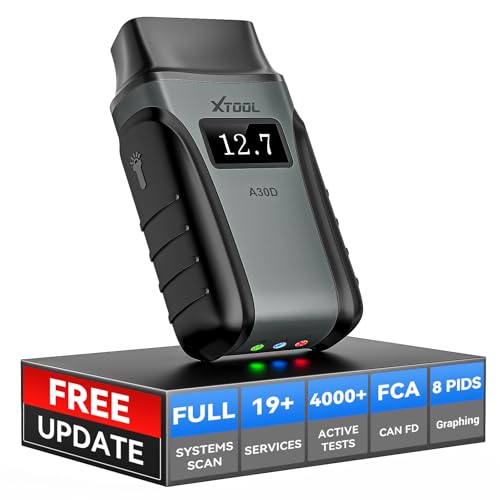
- Save $500+/Year with Pro-Level Diagnostics -No Subscriptions: The Portable XTOOL Anyscan A30D OBD2 scanner diagnostic tool includes free lifetime software updates for all app service functions, without extra cost. With a single payment, enjoy full access to diagnostics, relearn scan tools, and maintenance features. A cost-effective, smart choice for car owners and DIY enthusiasts, compatible with vehicles from 1996 onward. Please provide the car VIN and the special functions you need in advance so that we can confirm compatibility
- Bi-Directional Control for Faster Troubleshooting: Unlike a basic code reader, the A30D bi directional scan tool sends commands directly to your vehicle’s ECU to actively test components like fuel pump, valves, wipers, windows, doors, sunroof, and headlamps right from your smartphone. See component responses in real time without disassembly—perfect for brake jobs, electrical issues, and hard-to-find problems. This bidirectional obd2 scanner helps pinpoint faults faster, reduce guesswork, and avoid replacing good parts. An efficient, easy-to-use car scanner diagnostic tool built for DIYers, home garage users, and small-shop technicians who want real two-way scanner, not just codes
- 19 Reset Functions for Routine Maintenance: The A30D car diagnostic scanner provides 19 relearn functions without extra charges, including EPB Reset for parking brake replacement, TPMS Reset after tire changes, ABS Auto Bleeding, Oil Reset, SAS Reset, BMS Reset, Throttle Relearn, Injector C0ding, Gear Learning, Crank/Crankshaft/Cam/Ckp Sensor Relearn Tool, Transmission Match, Seat Calibration, Airbag Repair and more. This XTOOL A30D automotive scanner diagnostic tool supports preventive care, helping extend vehicle life and reduce costly shop visits. Functions vary by vehicle make and year—plz confirm compatibility before purchase
- Stable BT Connection & All-System & 8 Pids Live Data: The A30D wireless OBD2 scanner delivers a fast and stable wireless connection up to 33 feet, letting you move freely around the vehicle without tangled cables. Pair with with Android 9.0+ and iOS 10.0+ devices to turn your phone into a mobile auto scanner—perfect for home garages, driveways, or on-the-spot repairs. This full system scanner for cars provides real-time access to all major modules, including Engine, Gearbox, ABS, SRS, AC and more. with clear graphs, meters, and up to 8 PIDs displayed at once. This car code reader makes system monitoring visual, simple, easy to understand, and offering data logging for playback and deeper
- Wide Compatibility with CAN-FD & FCA Support: The A30D car computer diagnostic reader works with most 1996 and newer vehicles with a standard OBD2 port, including for Ford, for GM, for Toyota, for Honda, for Nissan,for Hyundai etc, with ongoing updates covering more car models and functions later. It also supports newer communication protocols like CAN-FD and FCA AutoAuth (Personal AutoAuth account and active subscription required, not included with the device!for Chrysler, for Dodge, for Jeep, for Fiat models). It is a future-ready automotive scanner diagnostic tool for households with multiple vehicles or part-time techs. Coverage vary by cars, plz check the compatibility first
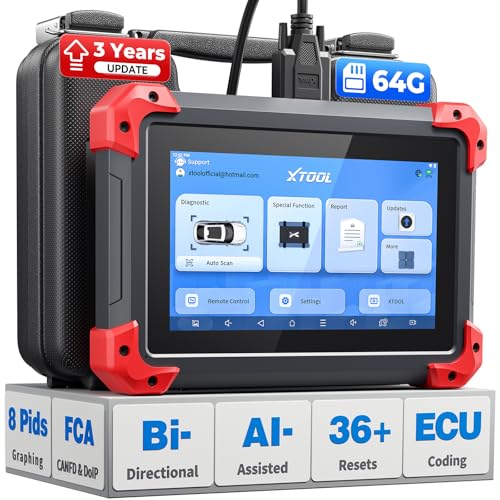
- 2026 Latest Version – Now Upgraded from 32GB to 64GB: XTOOL D7 obd2 scanner diagnostic tool with bidirectional is designed for DIY enthusiasts, professional mechanics. It now offers 64GB storage for smoother operation. Its 5000mAh battery (with 2500mAh 7.3V fast-charging) supports all-day use. With FCA, CAN FD, and DOIP protocol support, it covers more vehicle models and newer systems. A newly added battery voltage reading shows battery status before diagnostics, helping prevent low-voltage tests that could harm the vehicle. The V2.0 Diagnostic Report allows shops to personalize results with logos, customer details, and attachments to build trust and maintain records.
- Save $500+/Year with Pro-Level Diagnostics: Whether you're a DIYer, starting a repair business, or beginning work at an auto shop, XTOOL D7 car scanner offers advanced features typically found only in expensive professional OBD2 scanners - without the high price tag. With 4,000+ Active Tests & Bidirectional Pids, 36+ Special Functions, advanced module resets like SRS Reset, OE-level All-System Scan (one-click), FCA AutoAuth, CAN FD, DoIP, data export, and 8 PIDs graphing, the D7 auto scan tool covers 100,000+ vehicles (excluding Indian models). Includes 3-Year updates and supports the XV200 endoscope to detect em!ssions and intermittent issues.
- Full Bidirectional Advantage Over Other Code Readers & Scan Tools: The XTOOL D7 automotive scanner offers true bidirectional control plus advanced bidirectional PIDs, letting you send commands to components like A/C clutches, fuel injectors, windows, fans and more, while monitoring sensor responses live to catch elusive issues (even those without warning lights). Unlike budget bidirectional obd2 scanners limited to basic active tests,the D7 car fault scanner gives you full bidirectional control to run ABS pump tests, throttle position, turn fan on/off and solenoid tests, etc. No guessing, no extra fees—just smarter diagnostics
- OE-Level Full System Car Diagnostic Scanner with 8 Live Data Graphs: The XTOOL D7 is a pro-grade diagnostic tool that gives you full access to all vehicle systems—just like Snap on scanners & the factory scan tools, it delivers deep, accurate diagnostics you can trust. Easily view live data streams, retrieve freeze frame, and run active tests to pinpoint issues fast. With the ability to graph up to 8 PIDs at once, you can spot performance trends and troubleshoot like a pro. Whether you're a mechanic or car owner, with the D7 auto scanner you can stay ahead of problems and keep your vehicle running at its best
- High-value Automotive Scanner Diagnostic Tool with 36+ Special Function, Module Resets, Relearns, Calibrations, Adaptations & Initializations: XTOOL D7 diagnostic tool packs 36+ common & advanced maintenance, skip the $150 fee for battery registration after replacement, throttle body relearn after cleaning, or TPMS resets post-rotation, Auto bleed after the pad changes, or Electronic Parking Brake. Need to reset the transmission after towing? Crank sensor relearn for GM/for Dodge? Done. D7 also covered advanced functions like Ad~blue Reset, VIN Write, and many more professional OBD2 scanner functions that we can't list here. Text us your VIN + what you need, we’ll check the compatibility
This product presentation was made with AAWP plugin.
Last update on 2026-05-13 / Affiliate links / Images from Amazon Product Advertising API